Category: Exhibition

  • If Memory Serves

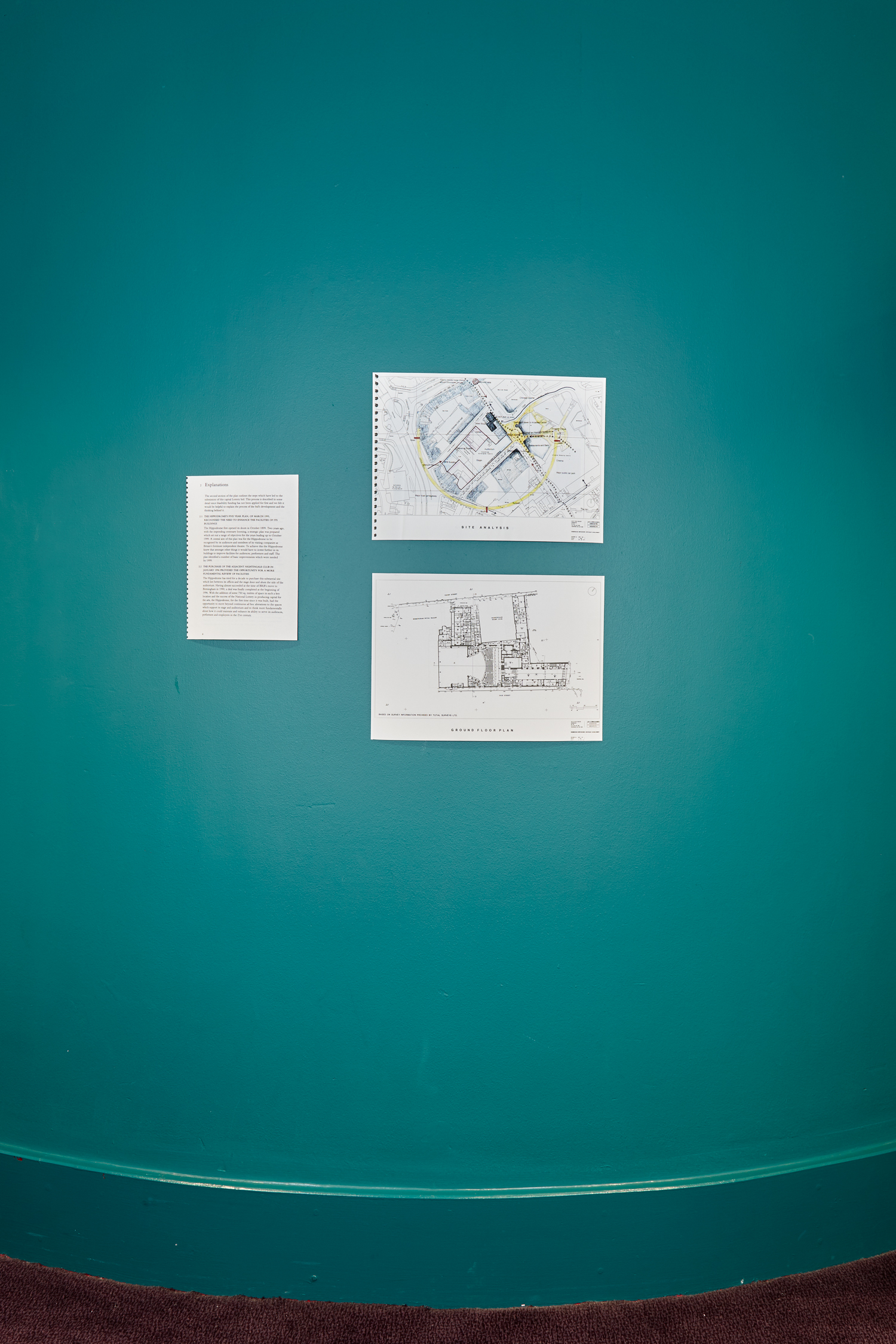
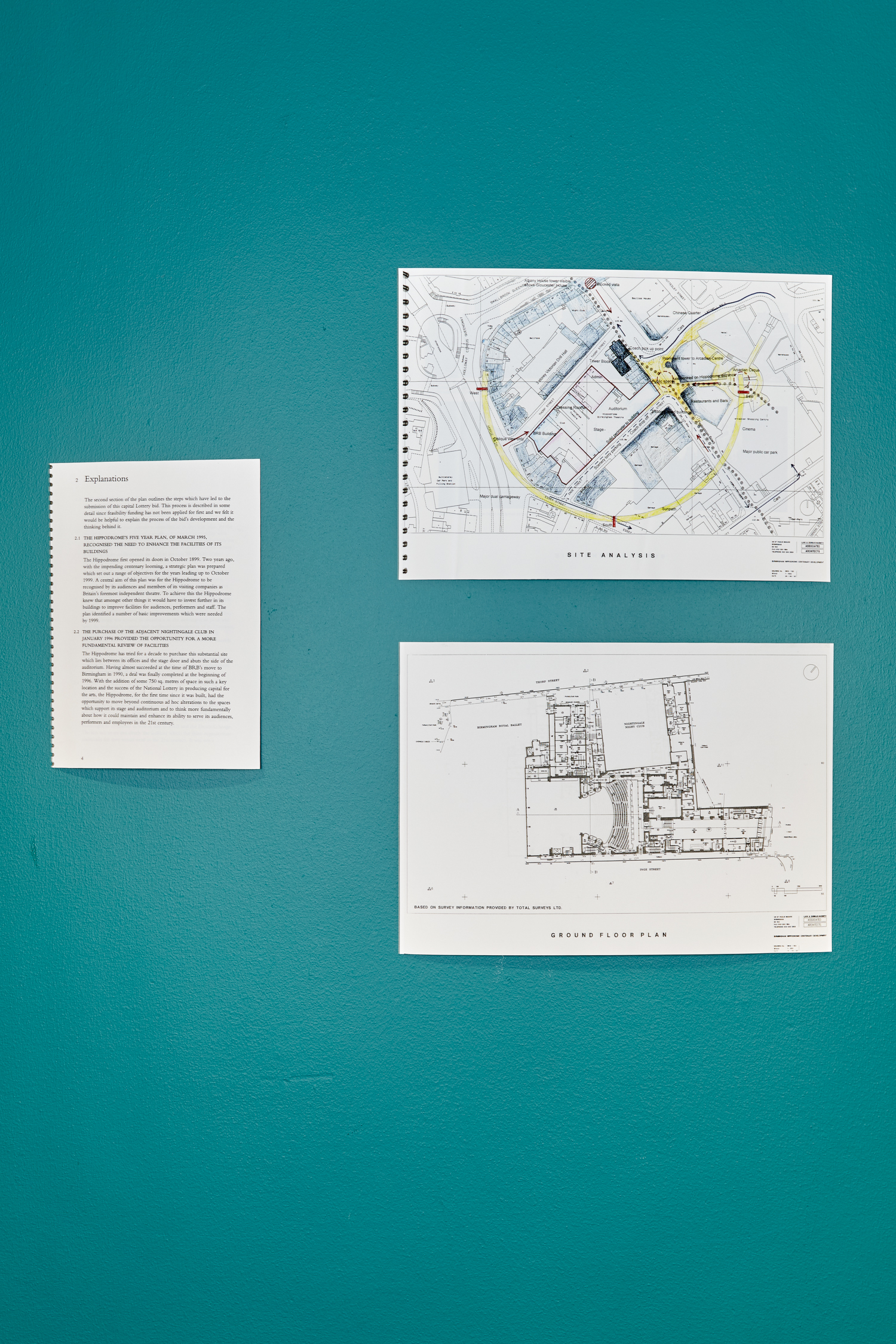
    Birmingham Hippodrome
    15 Sep – 14 Nov 2020

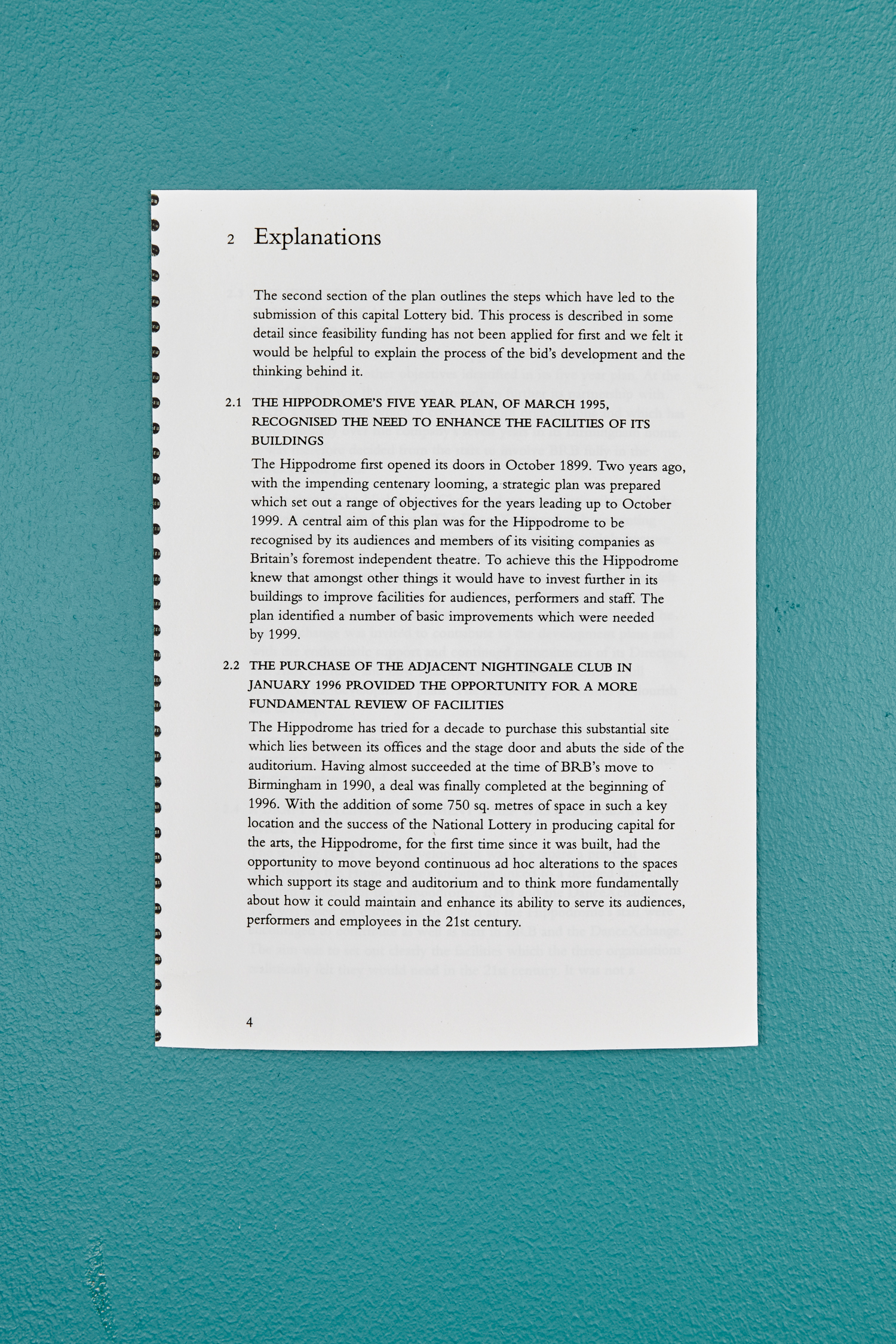
    “From my understanding, the Hippodrome wanted that place so bad for a long time because it was ideal for them, you know? And we basically said ‘no, you’re not having it’. I wasn’t privy to how much they charged because we were members committee not general committee, but they wanted it for years but we said ‘no, no, no, no’.” – Angela Gilraine, The Nightingale Club’s first female Director

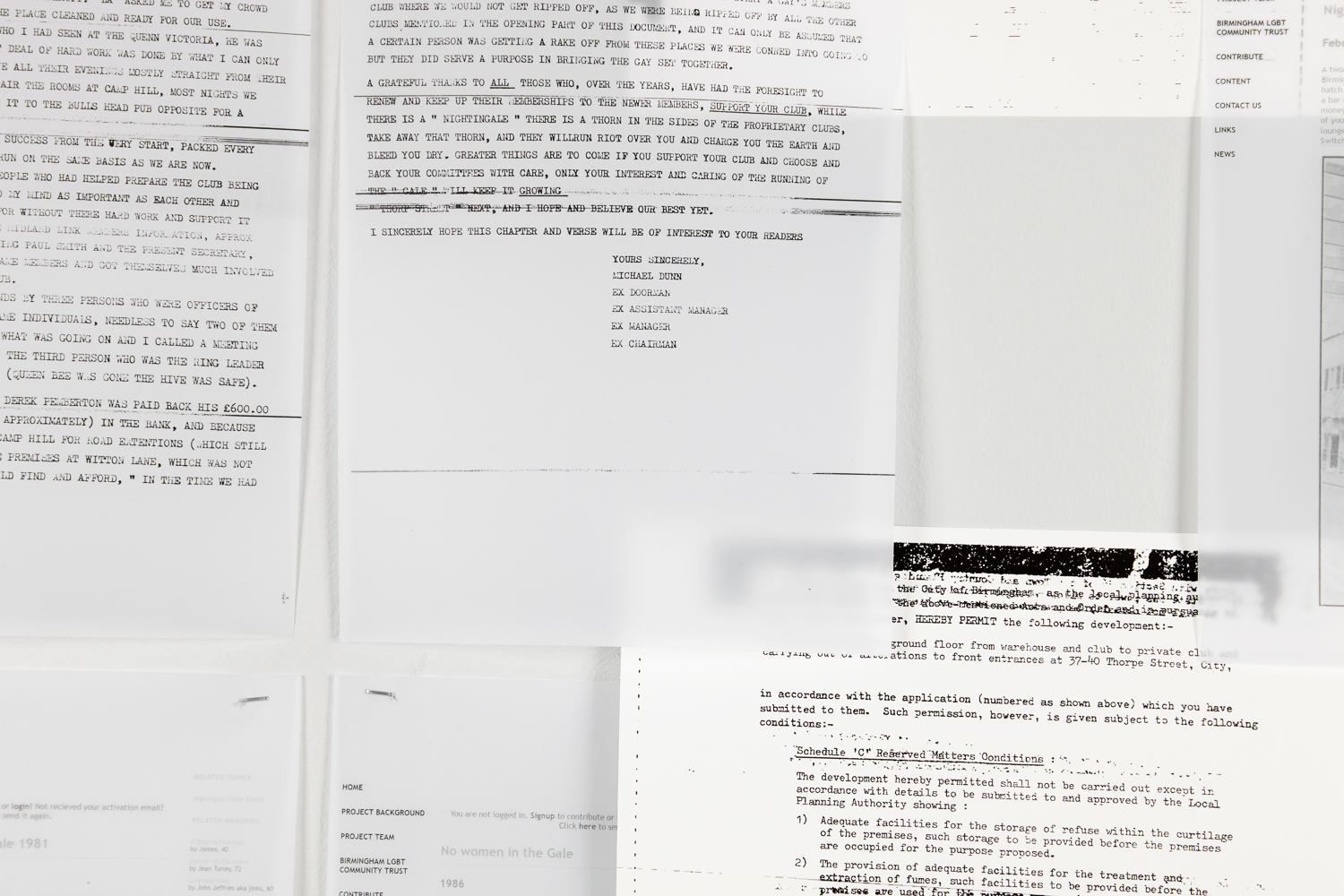
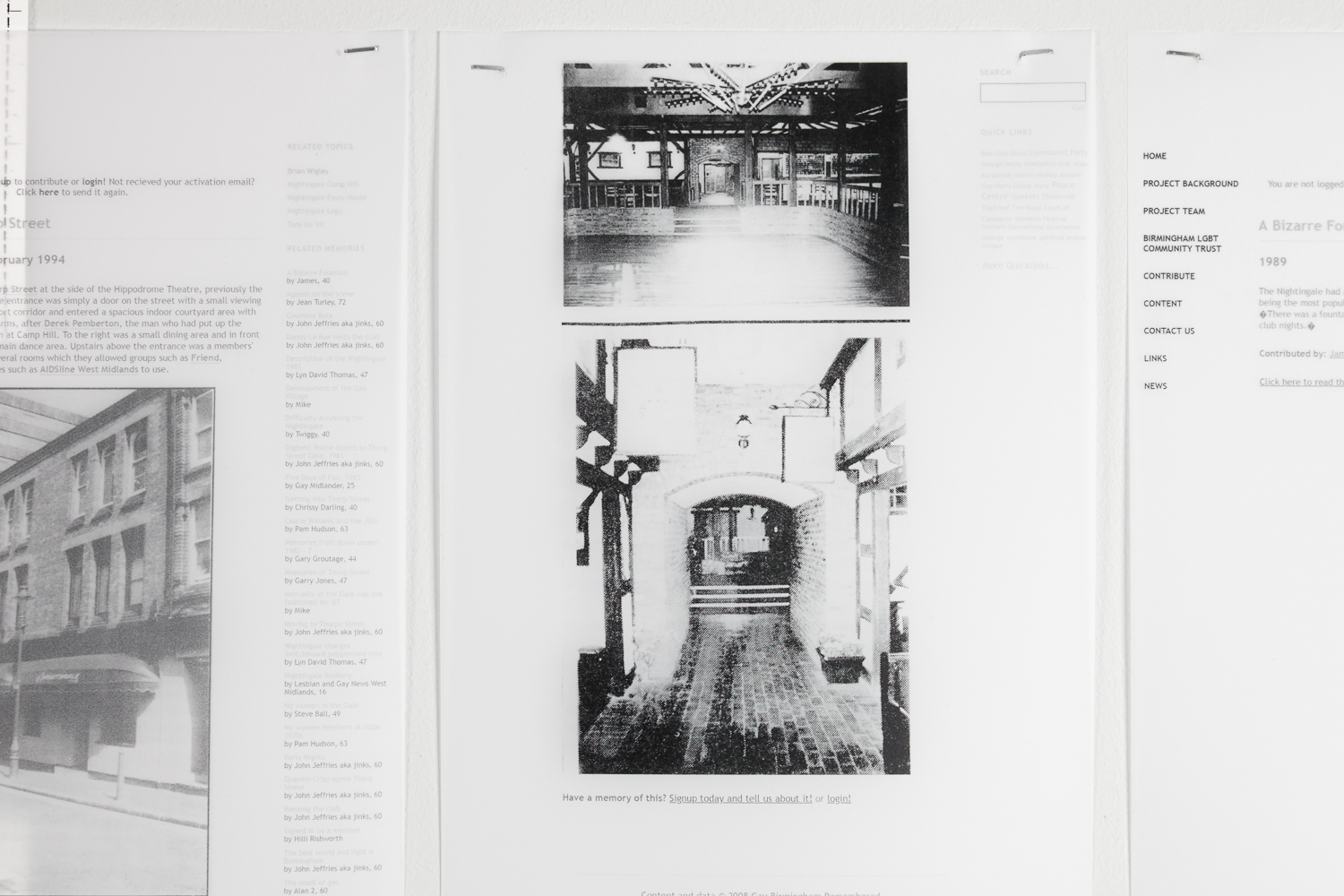
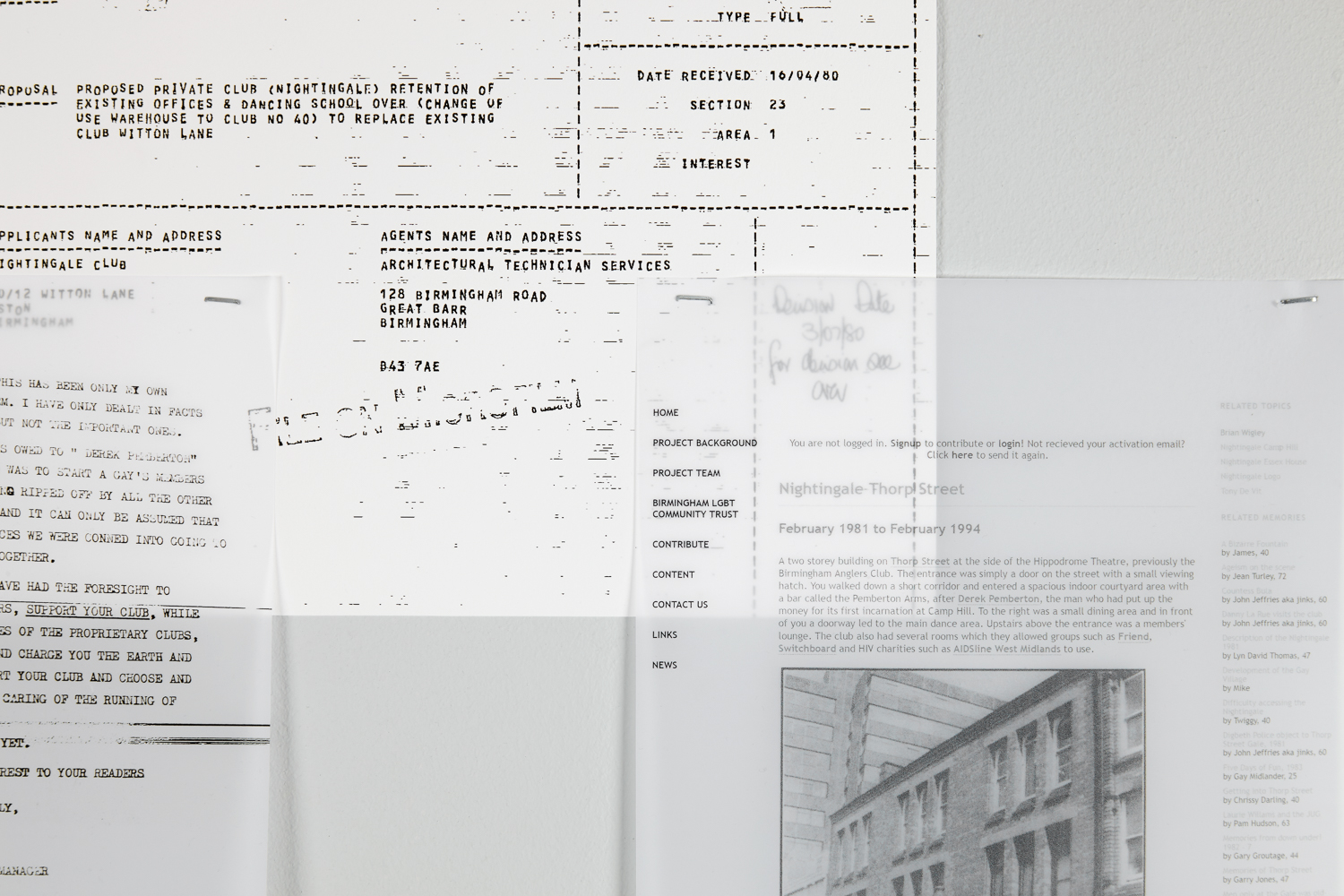
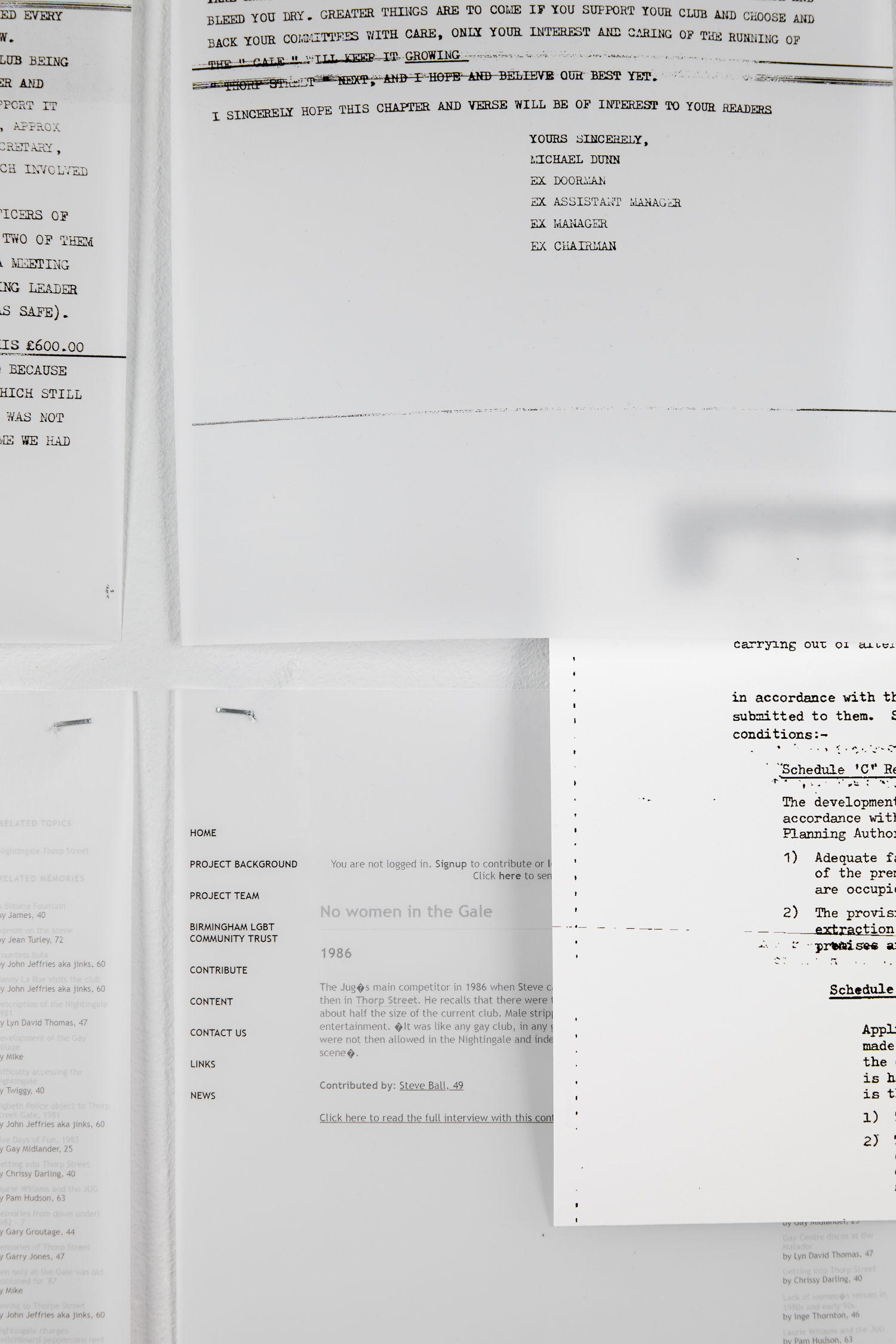
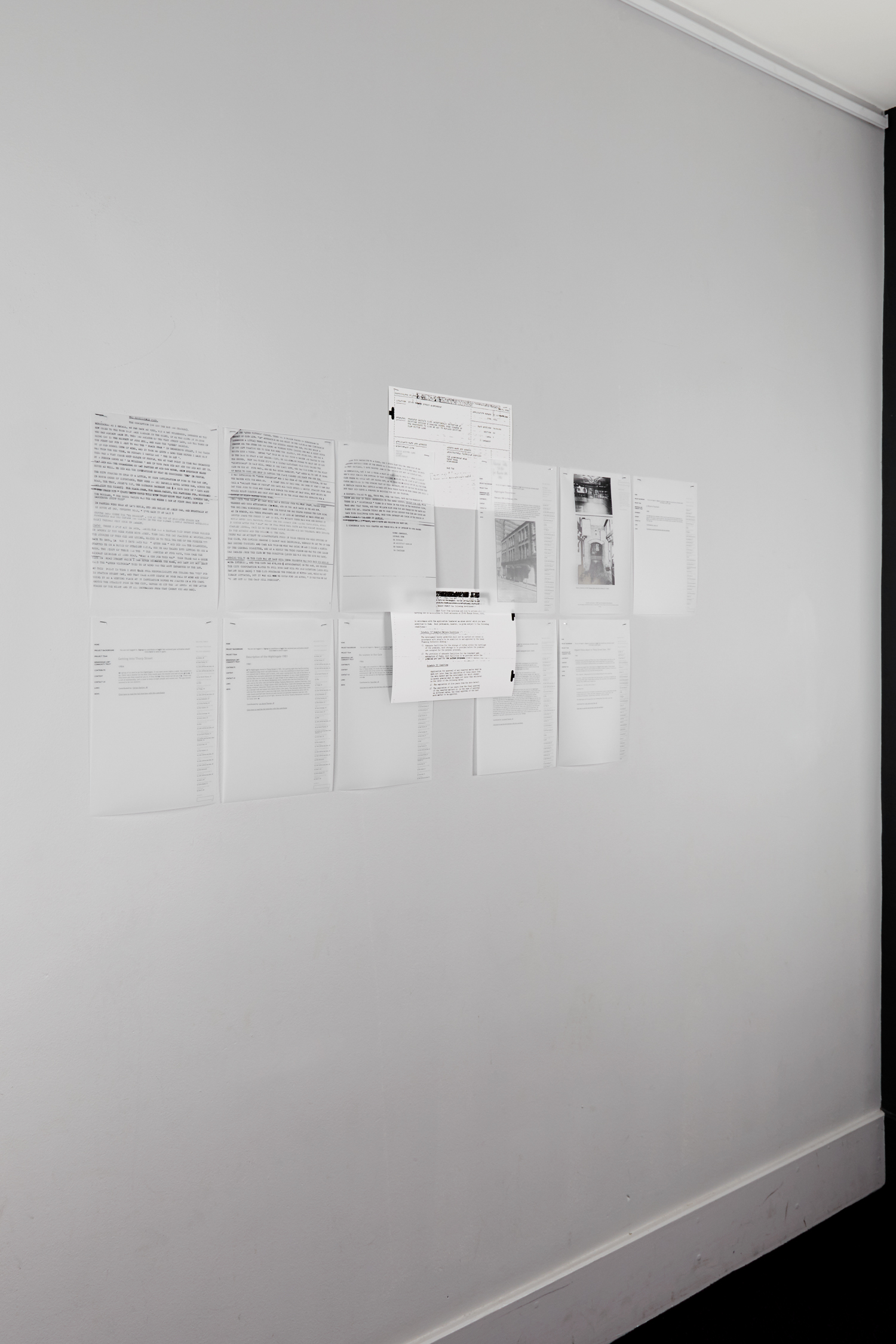
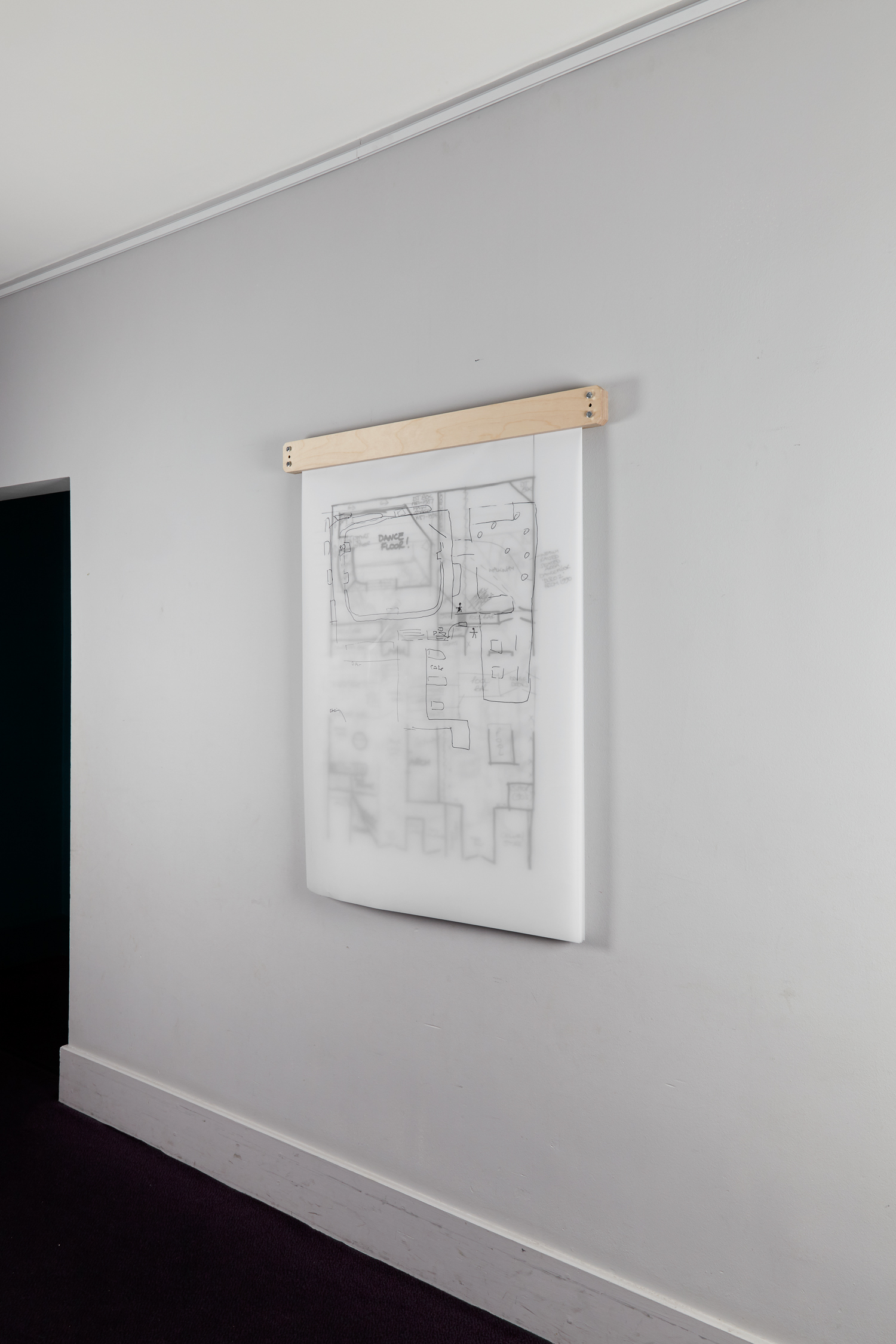
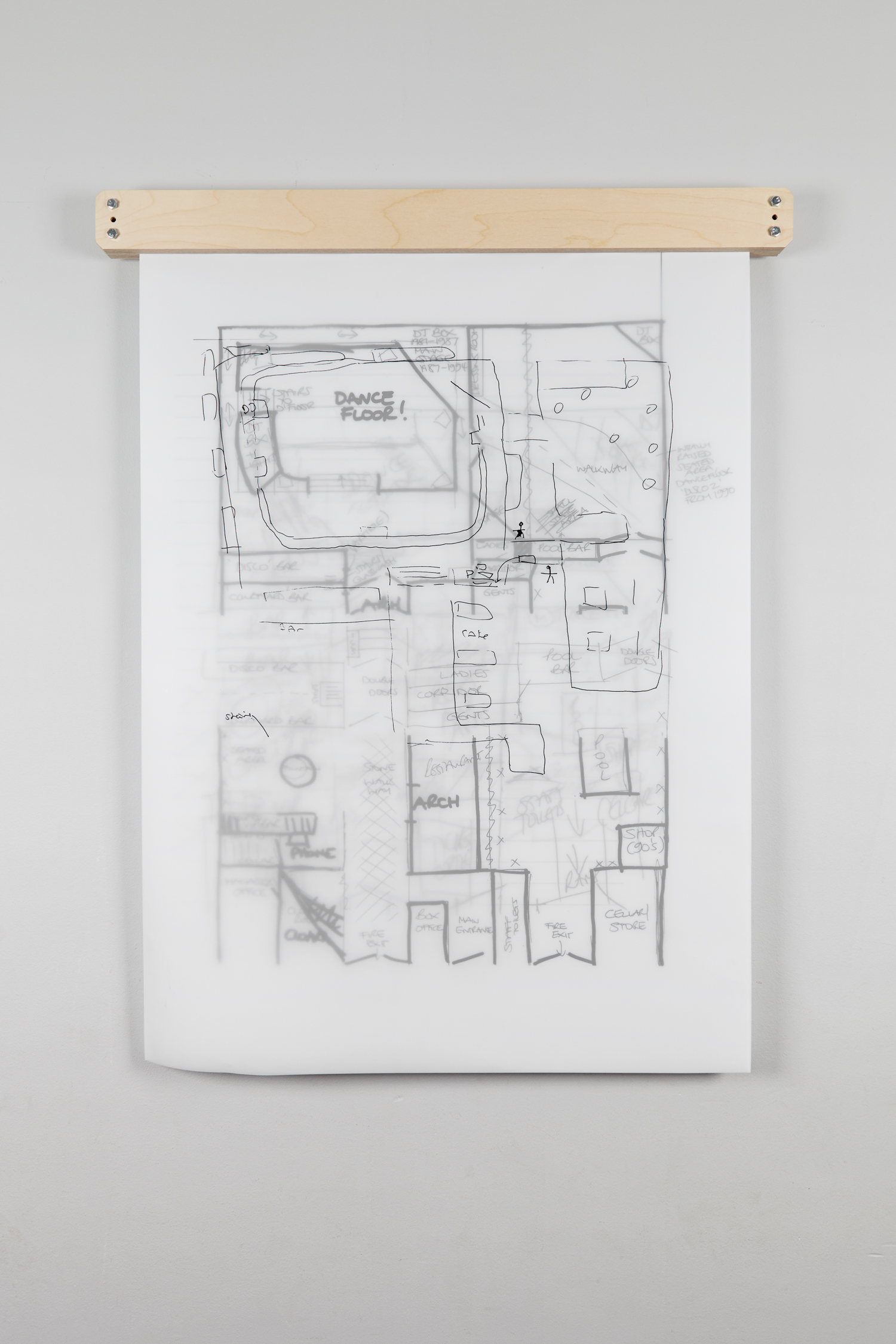
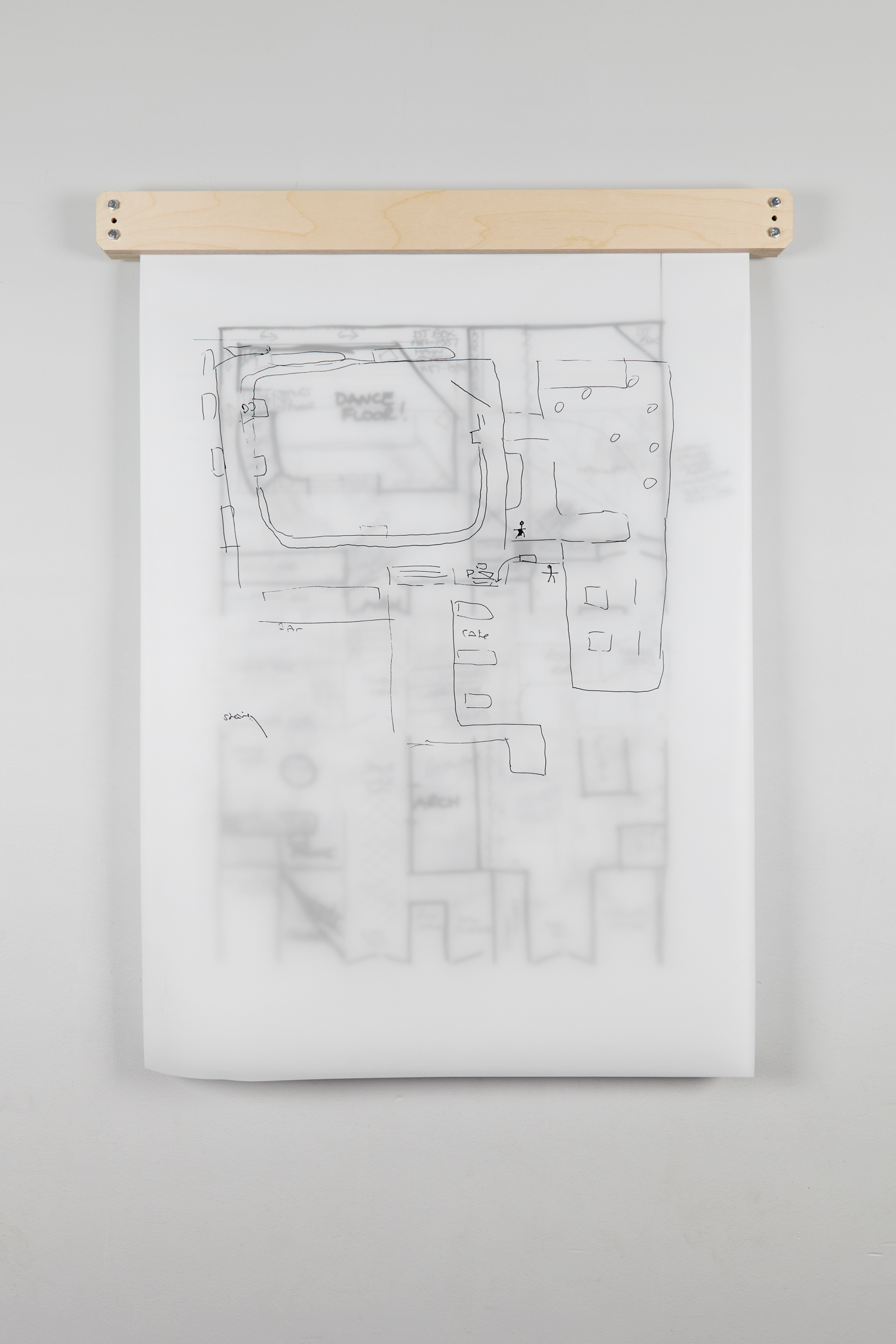
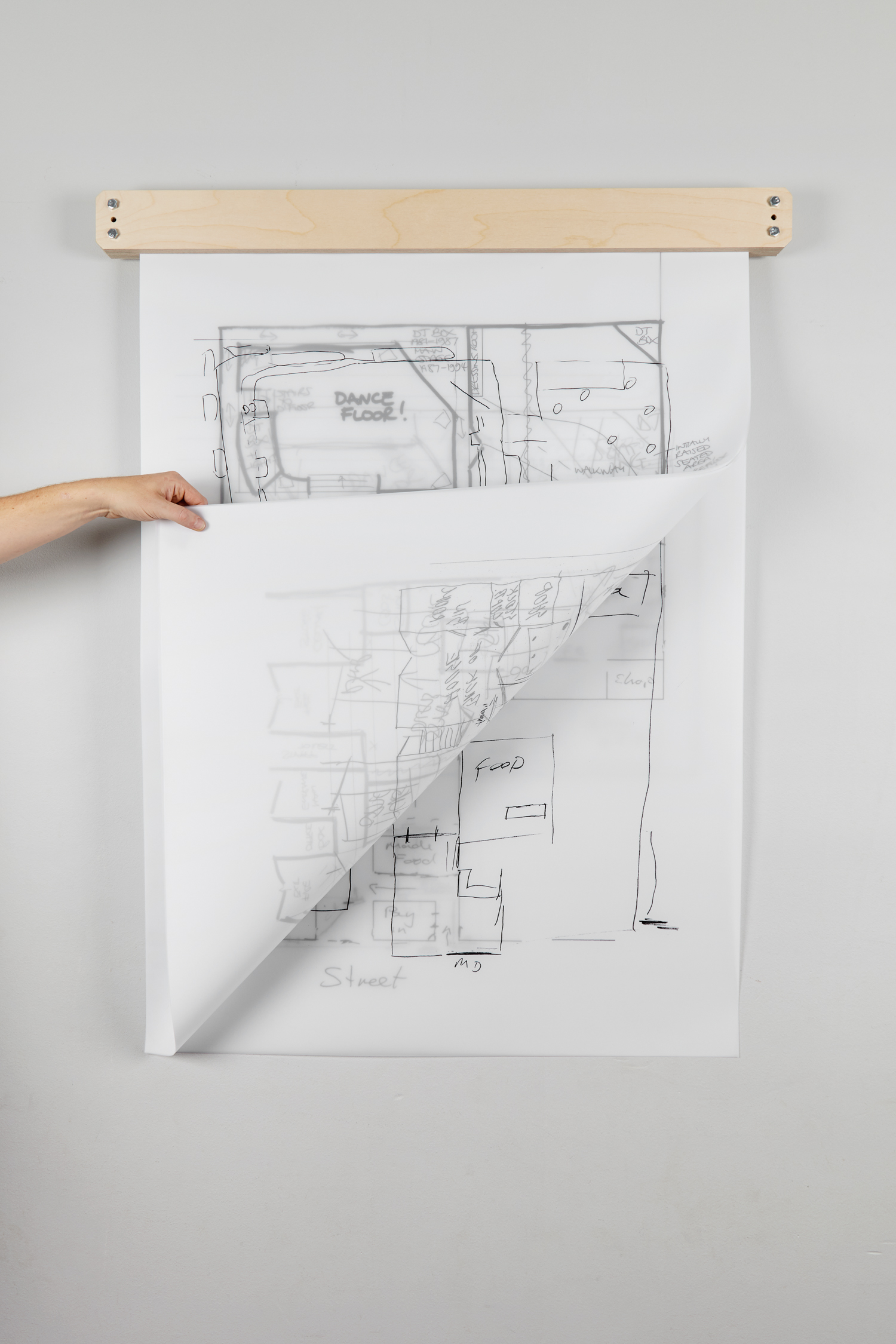
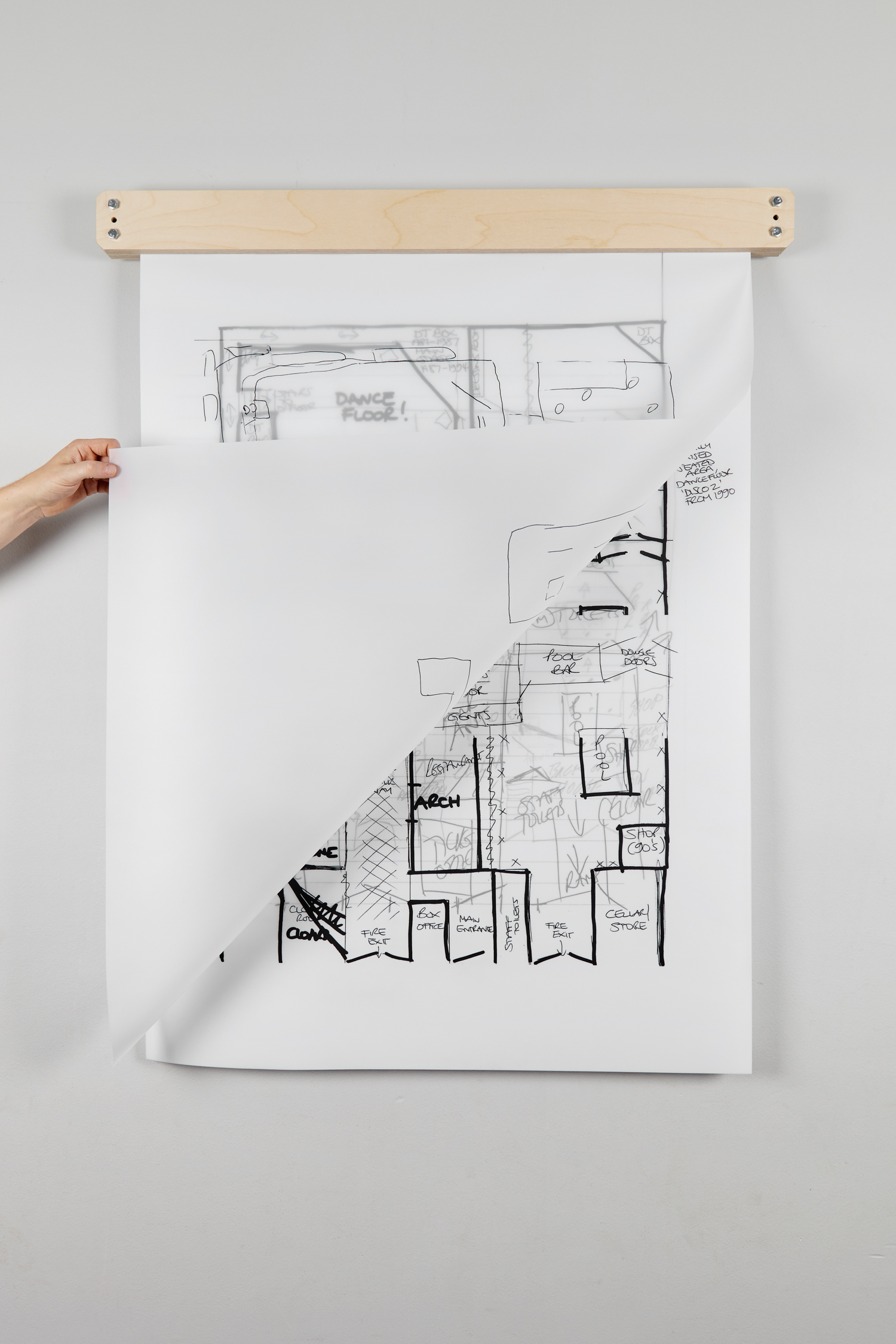
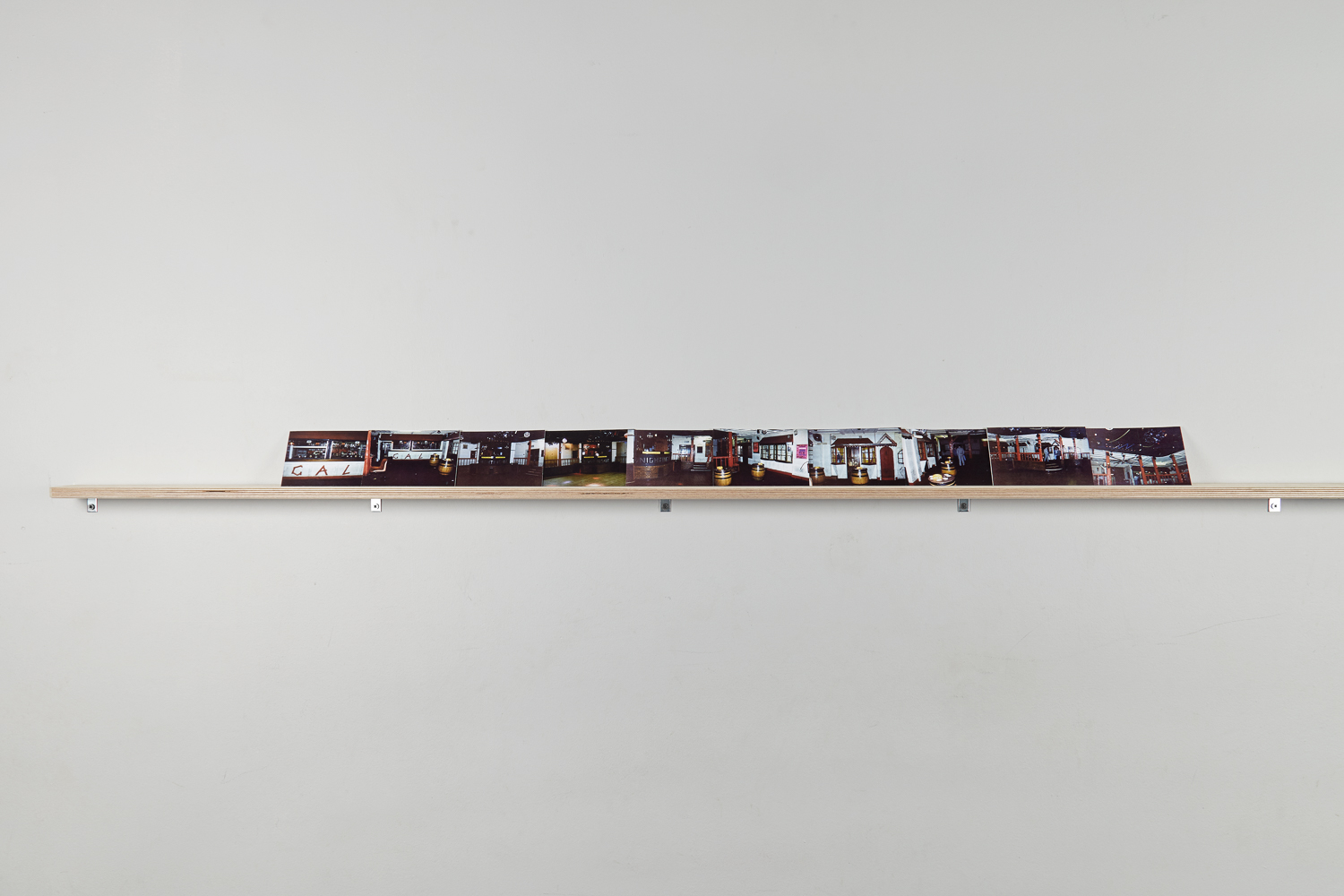
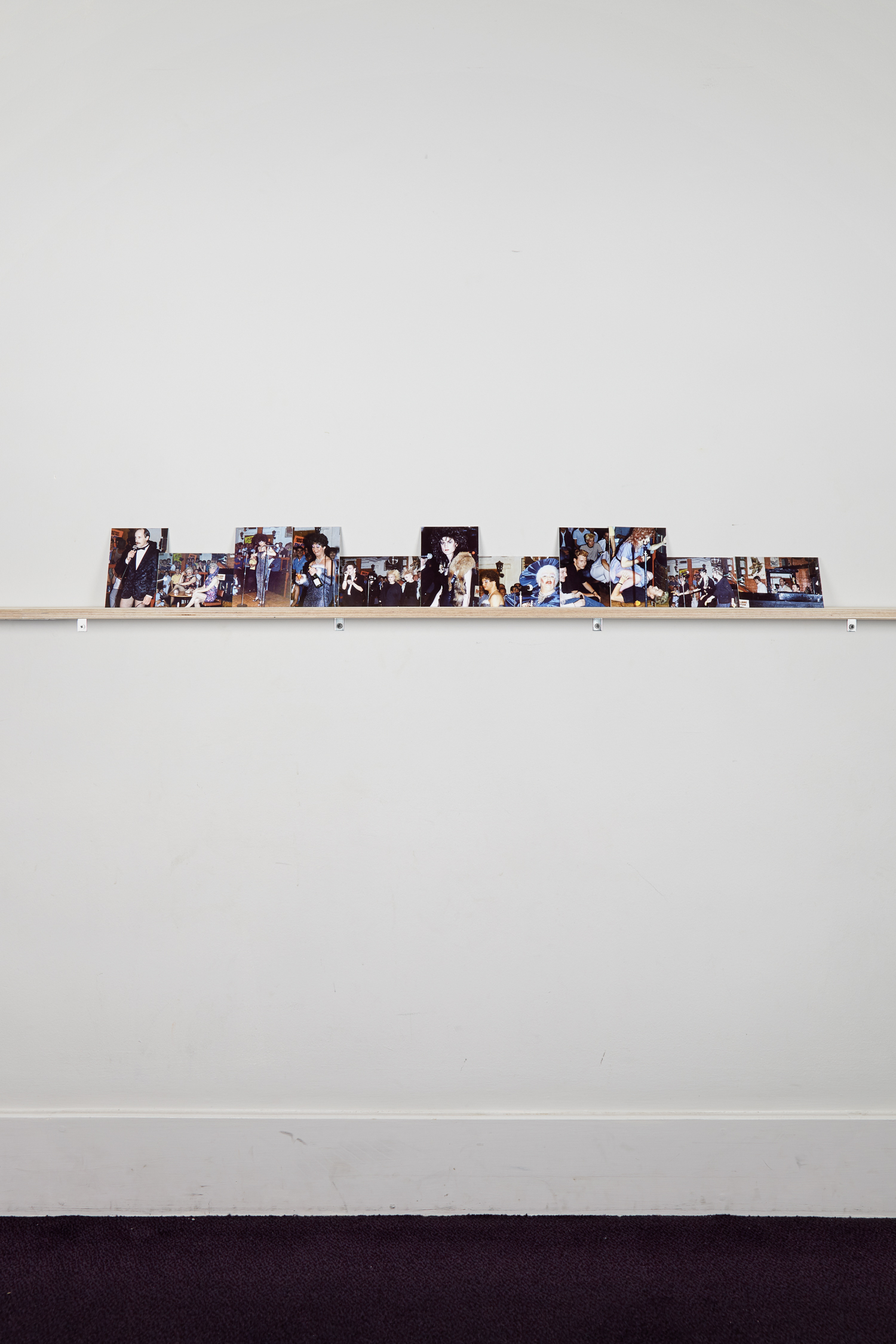
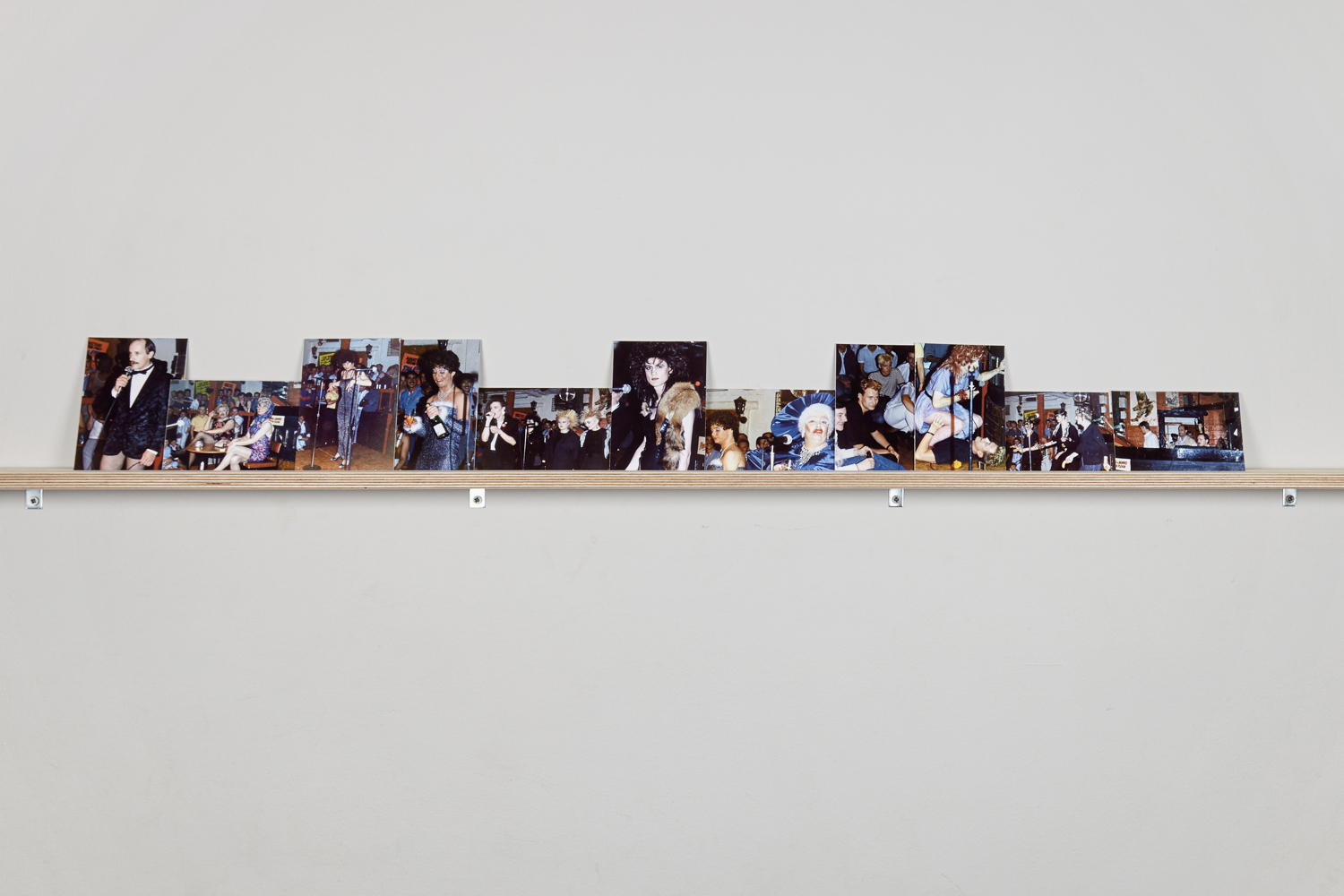
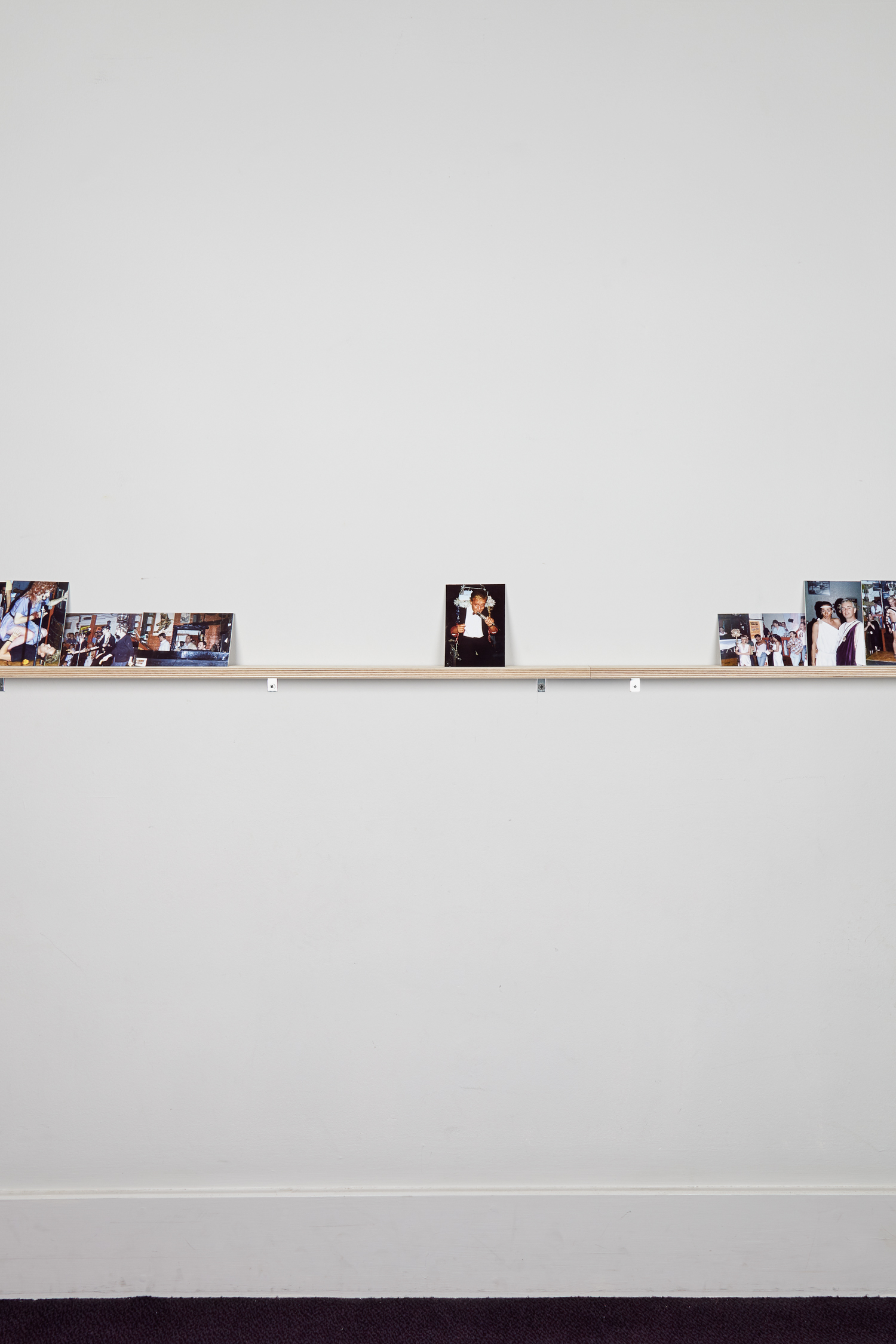
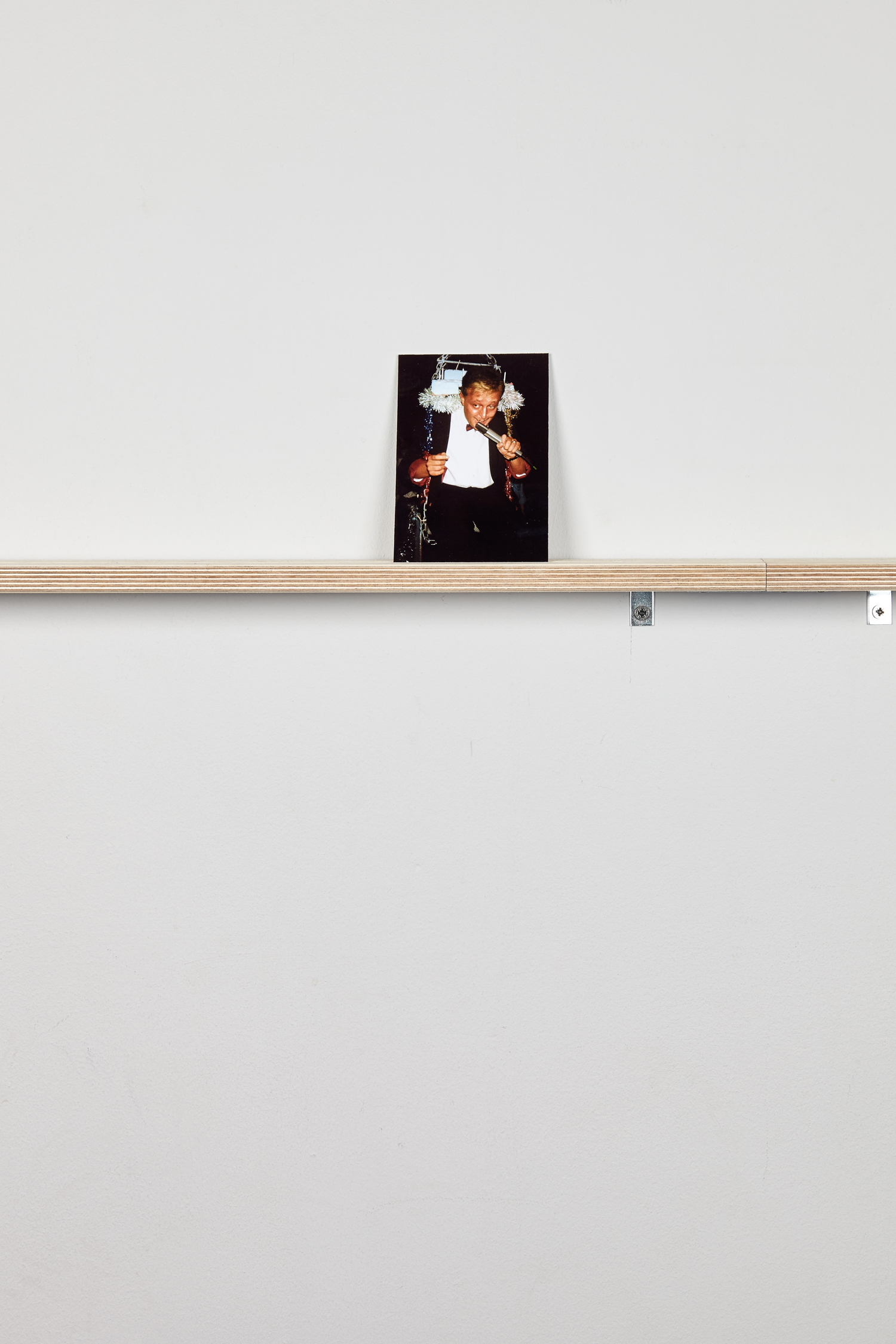
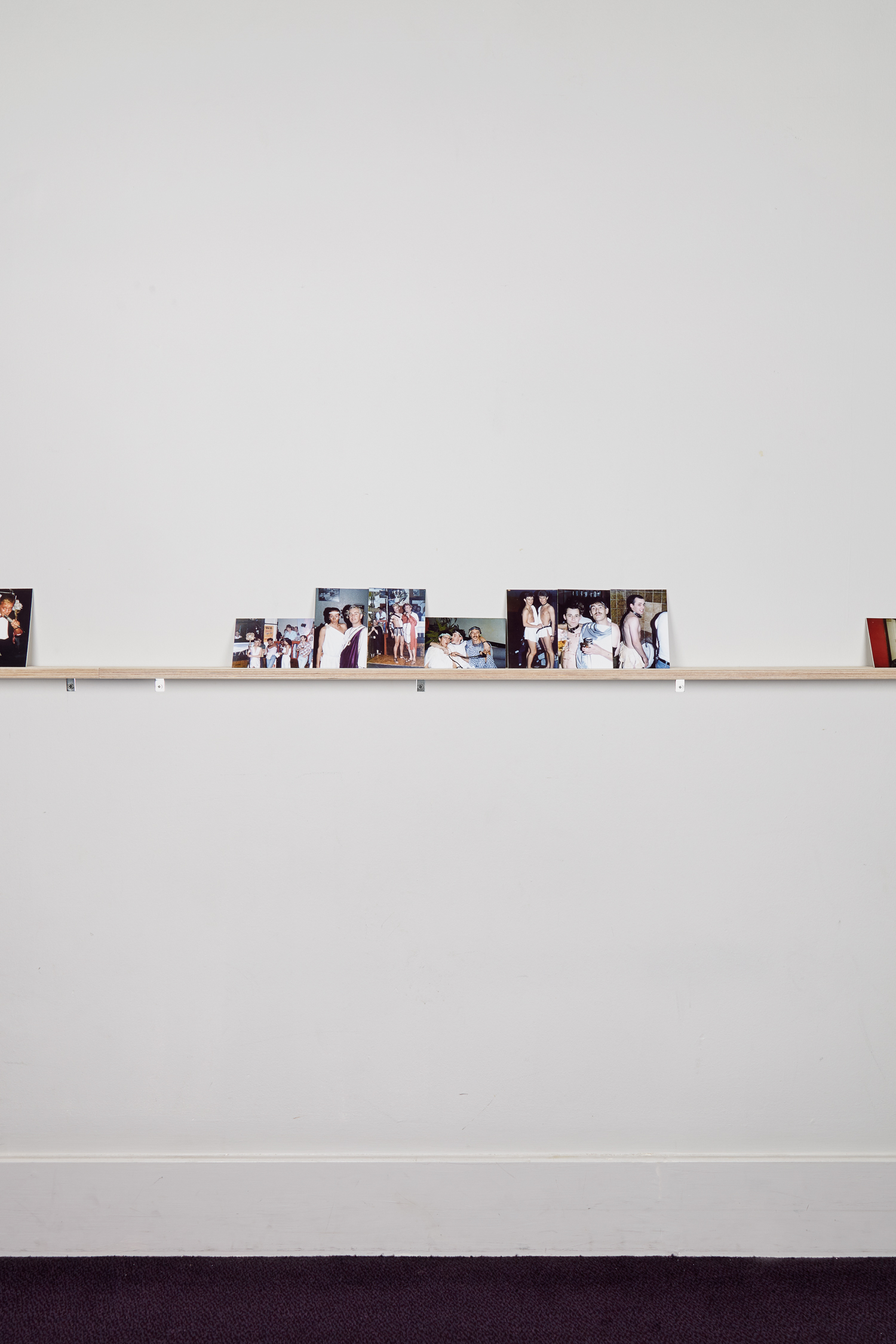
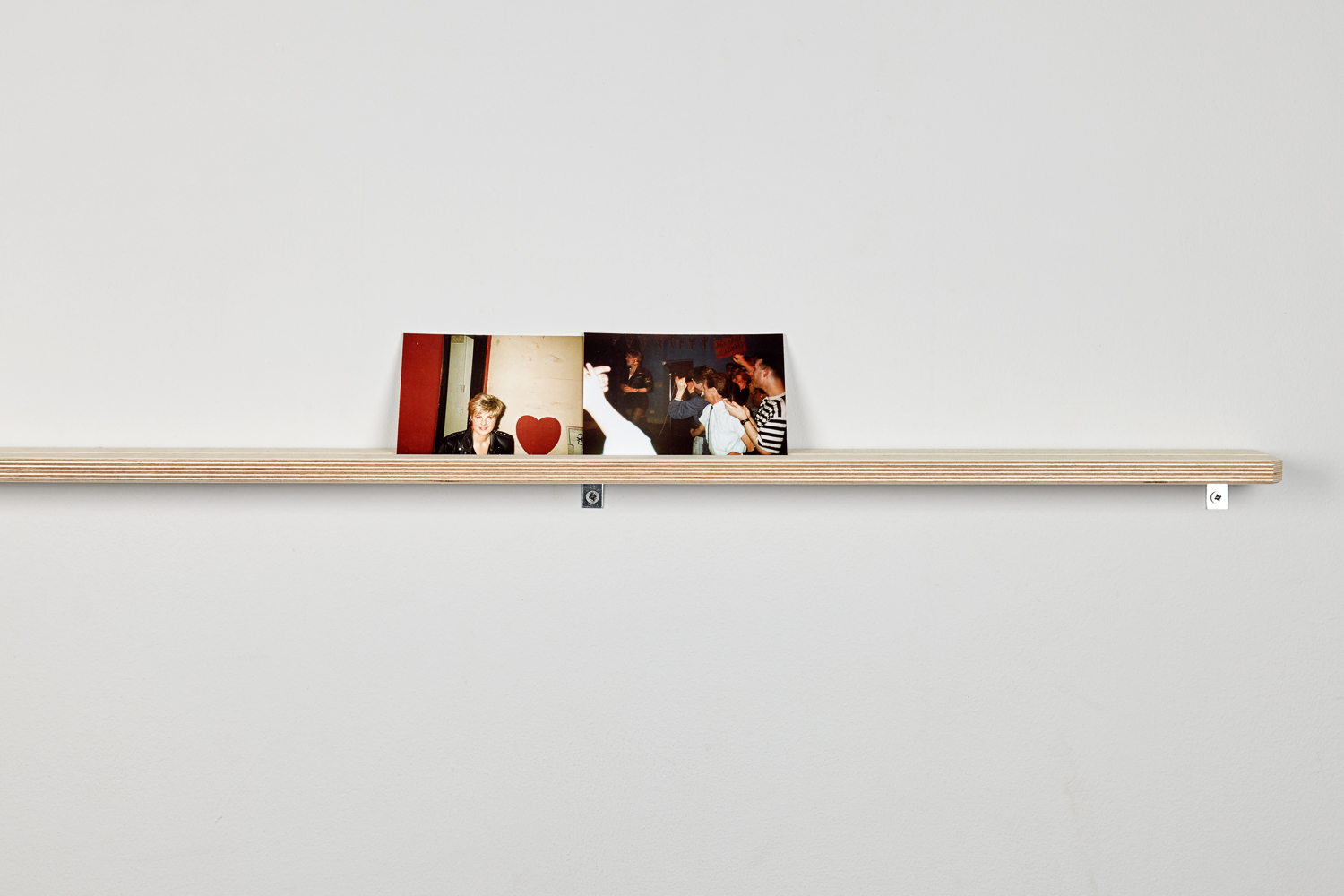
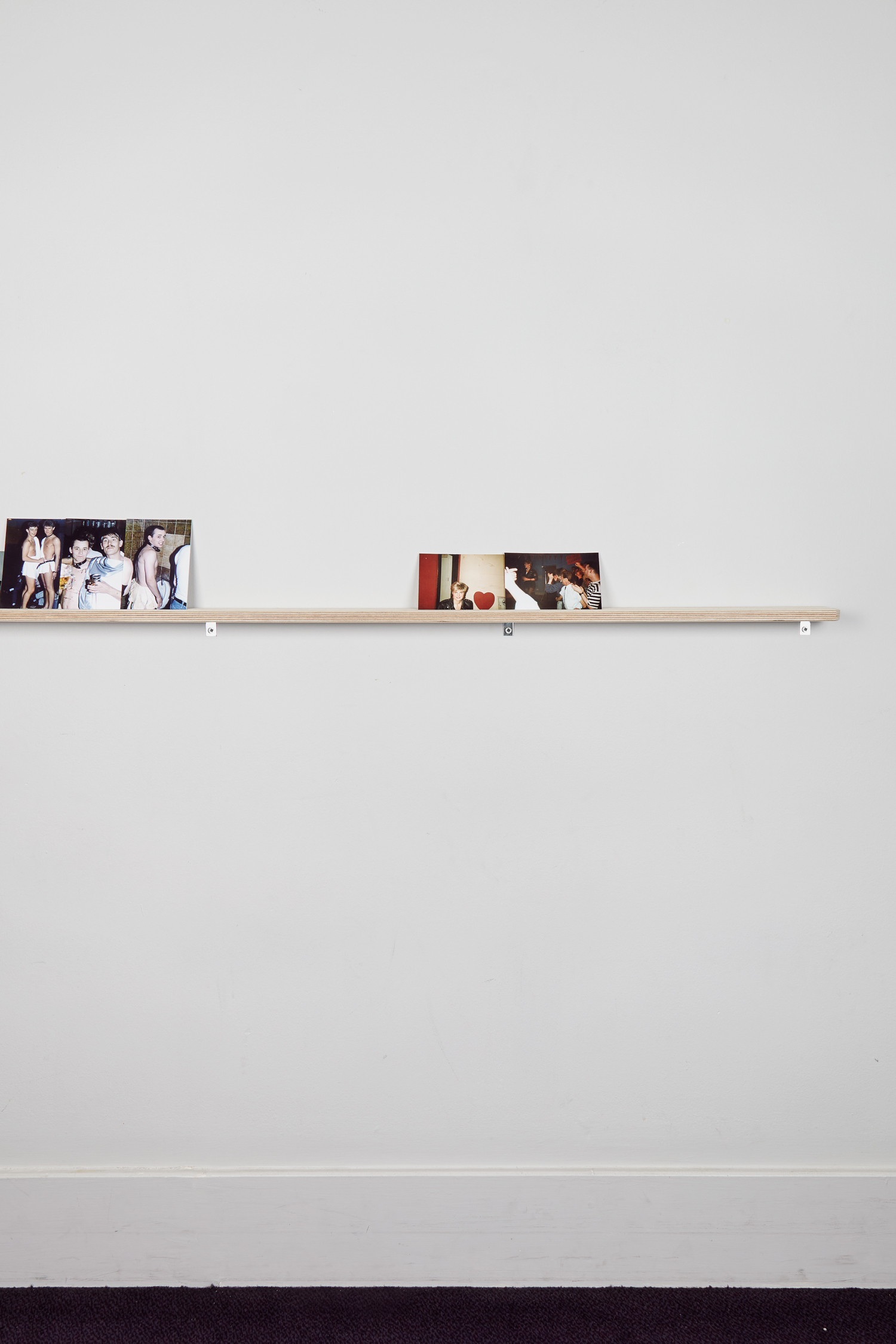
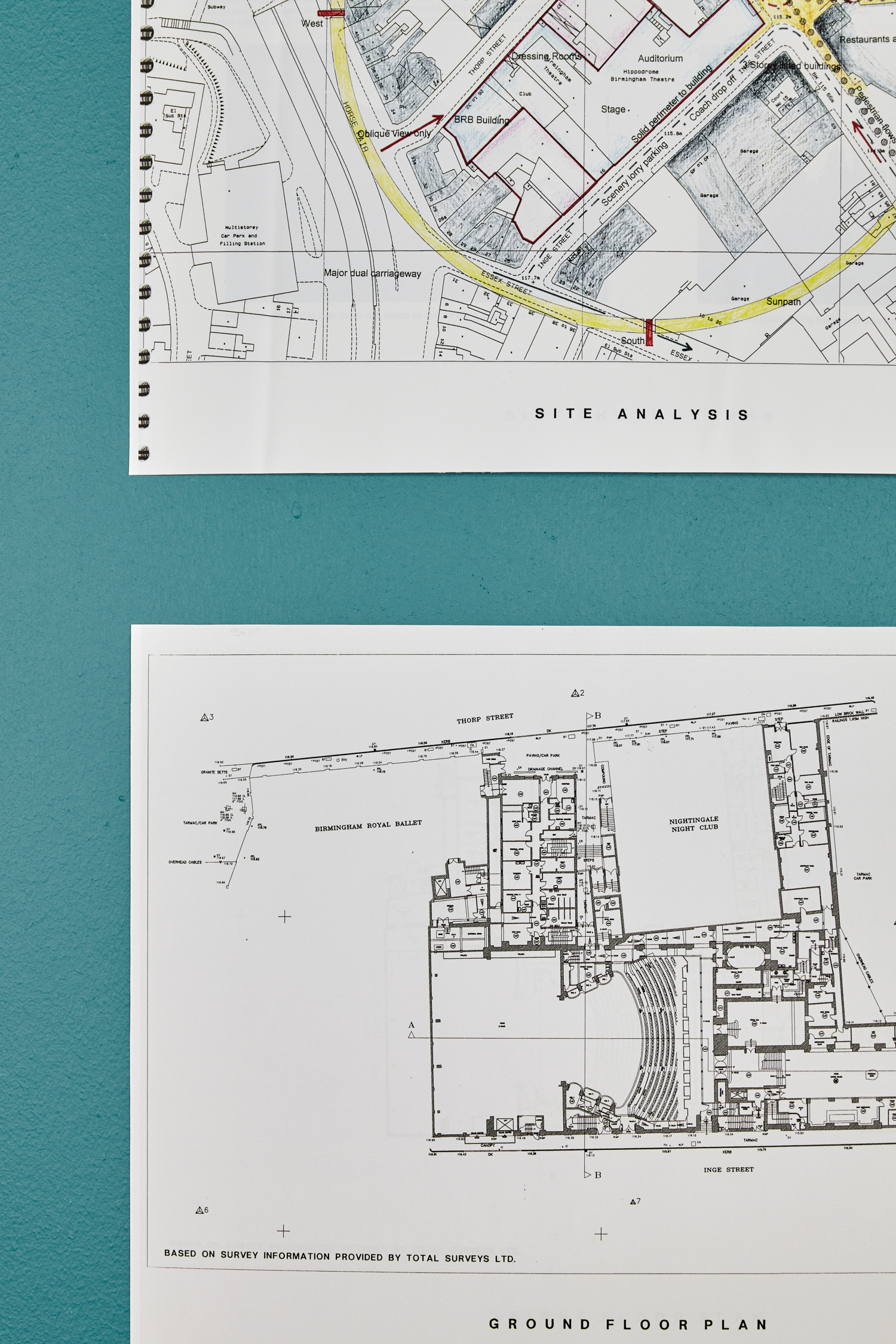
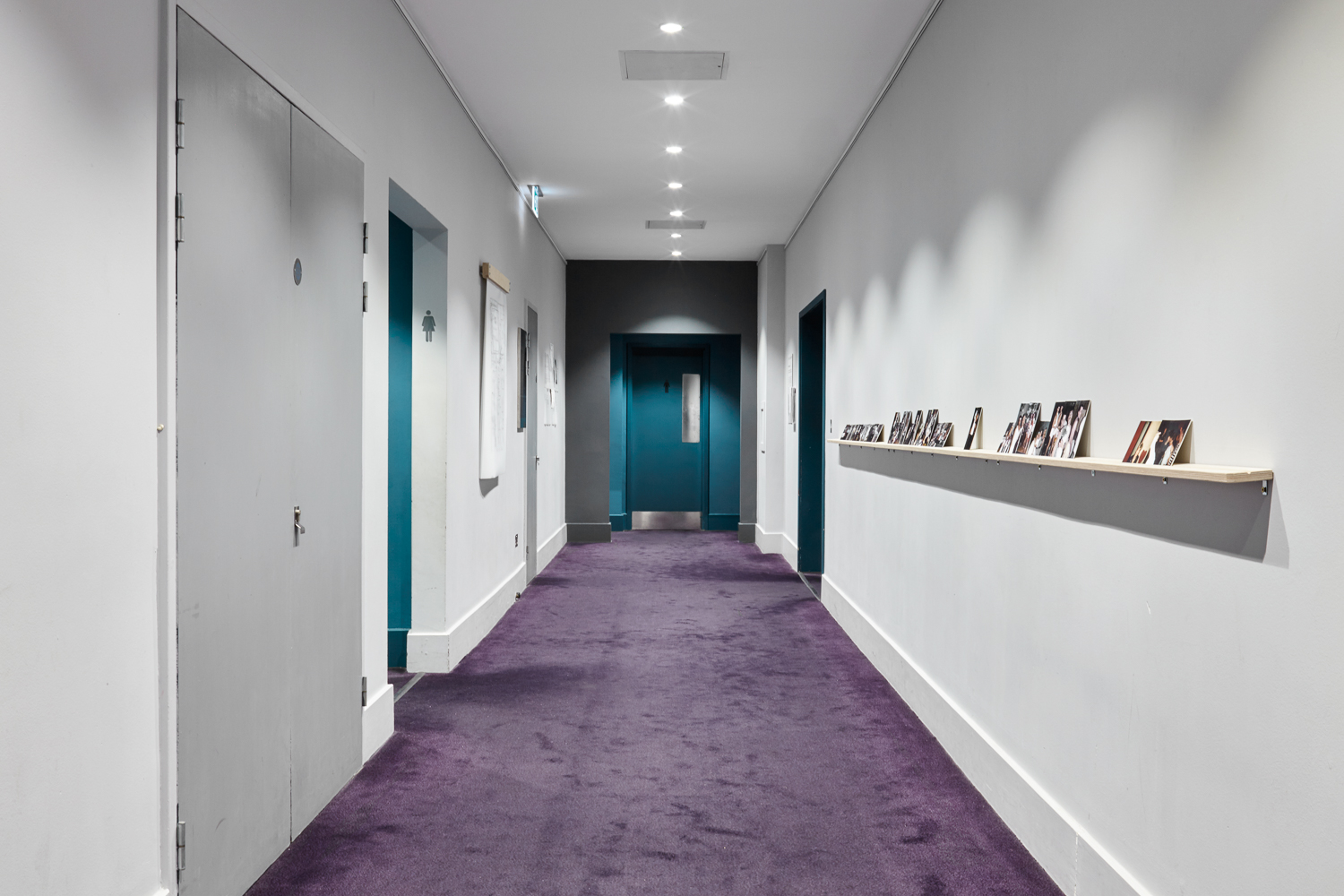
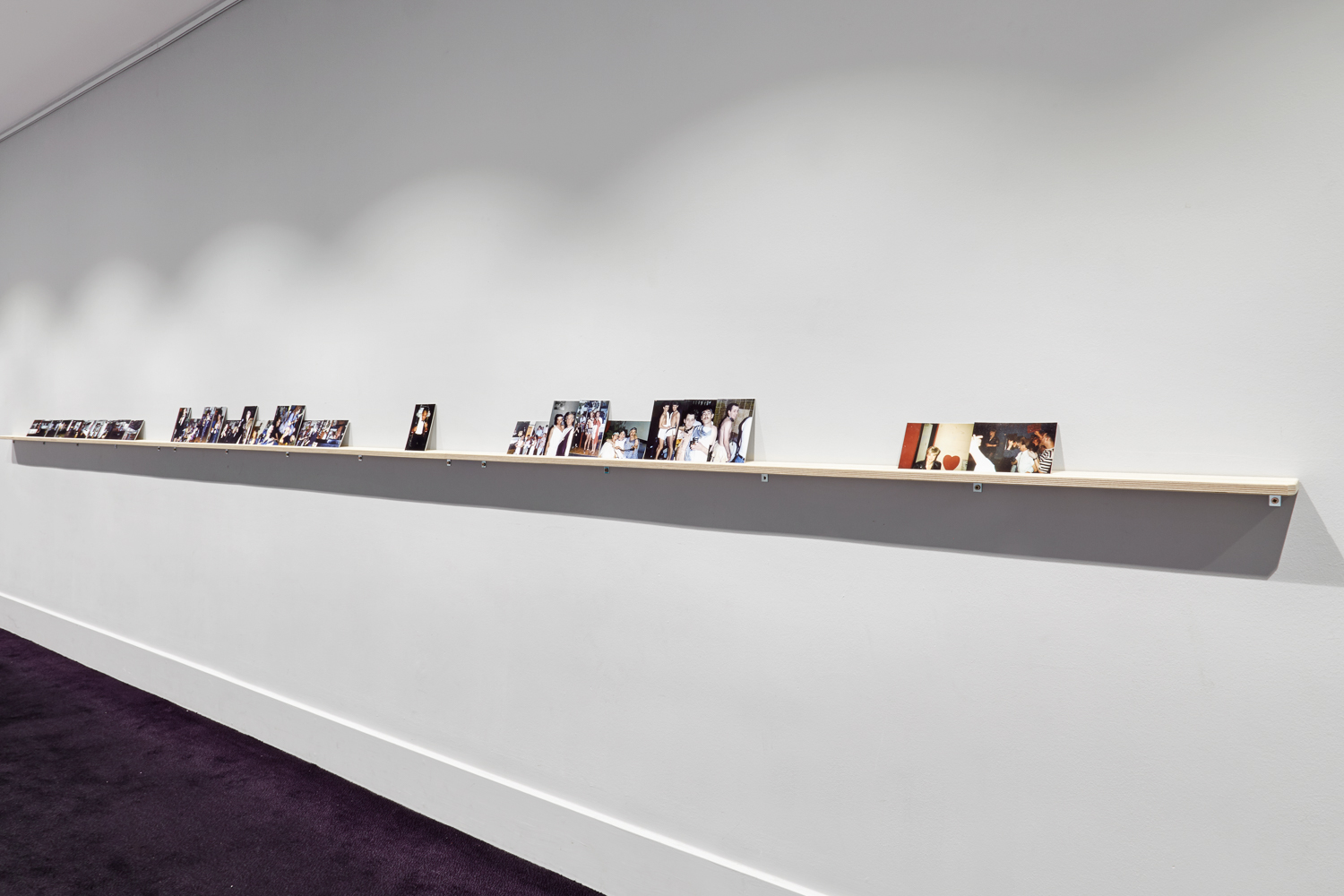
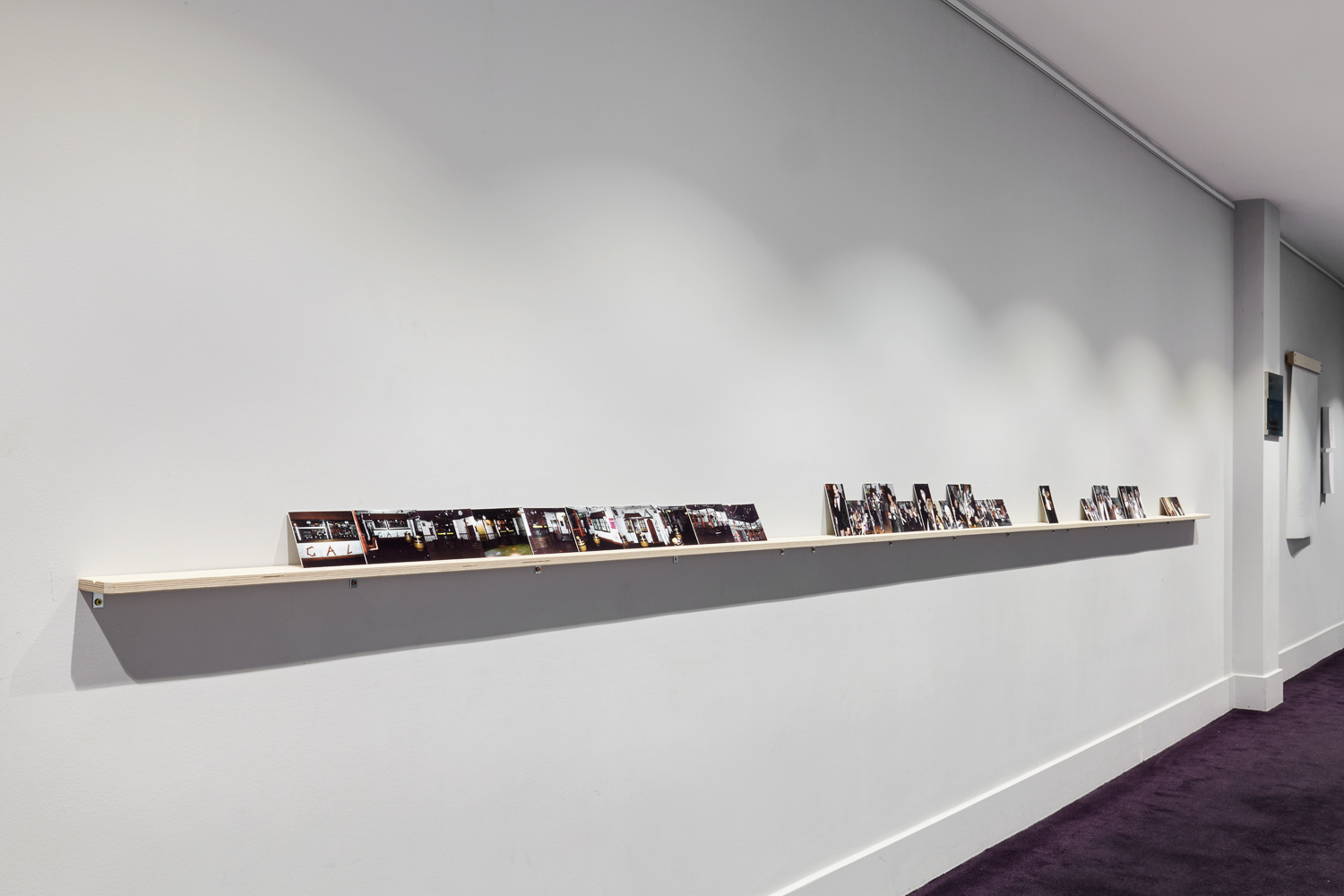
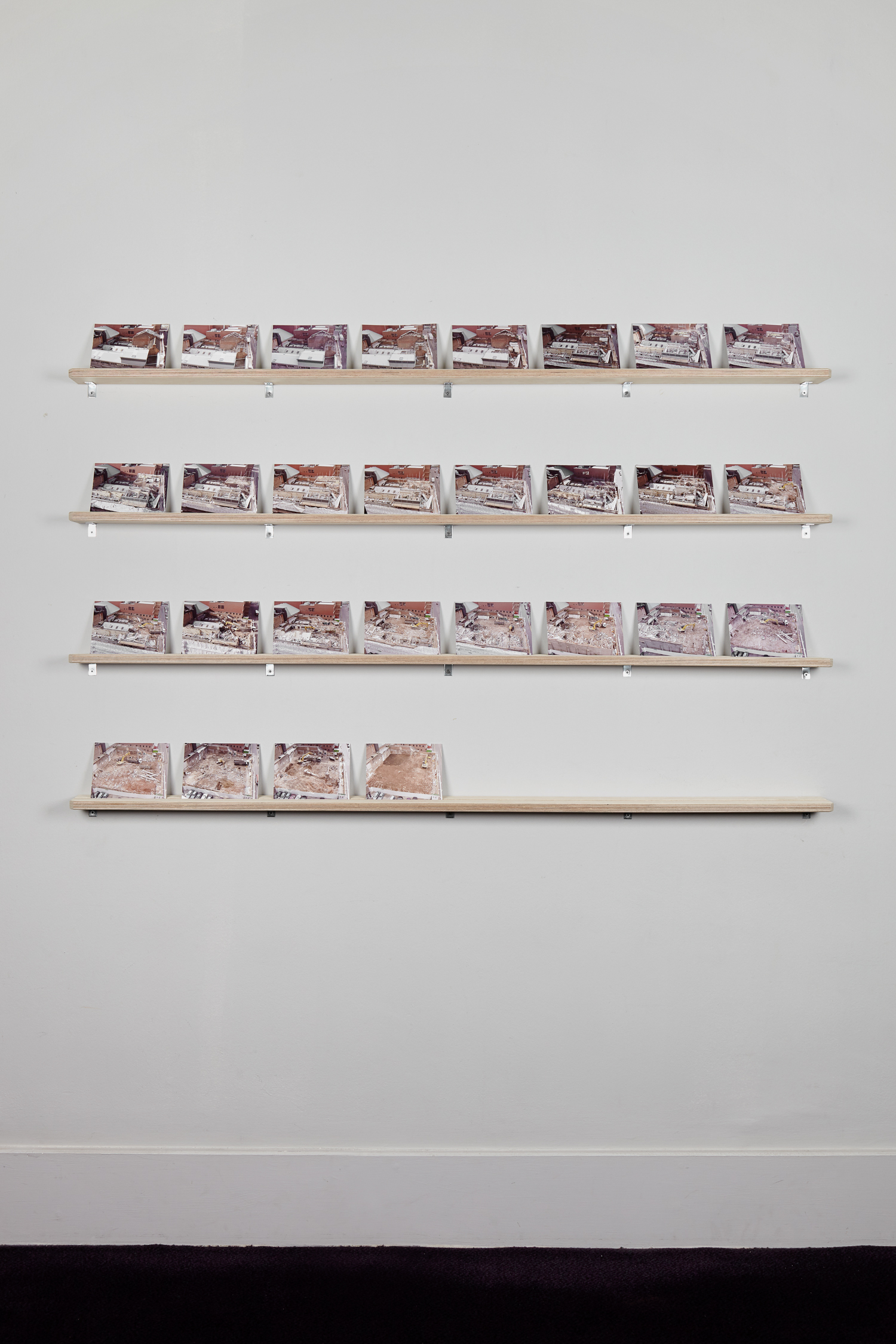
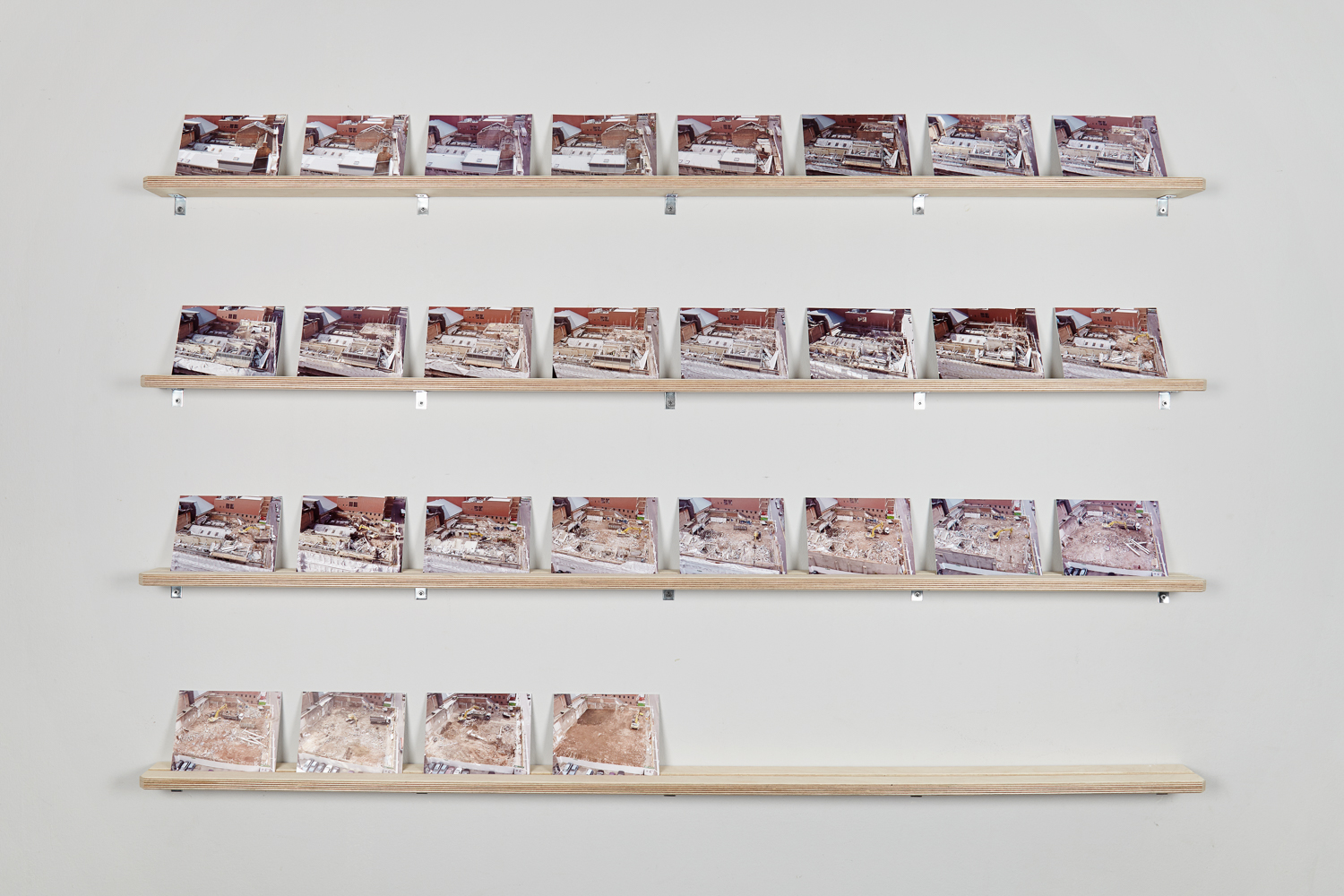
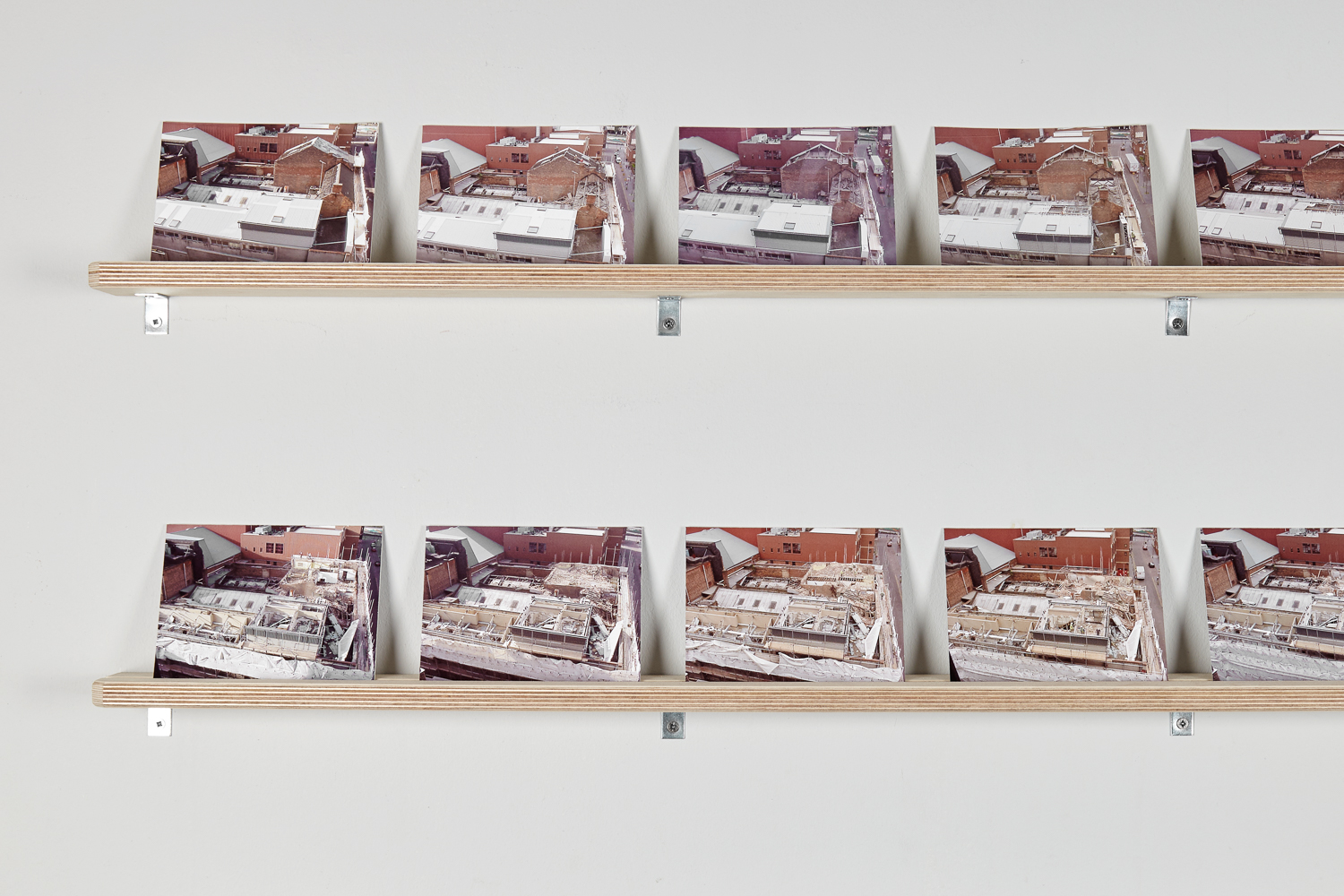
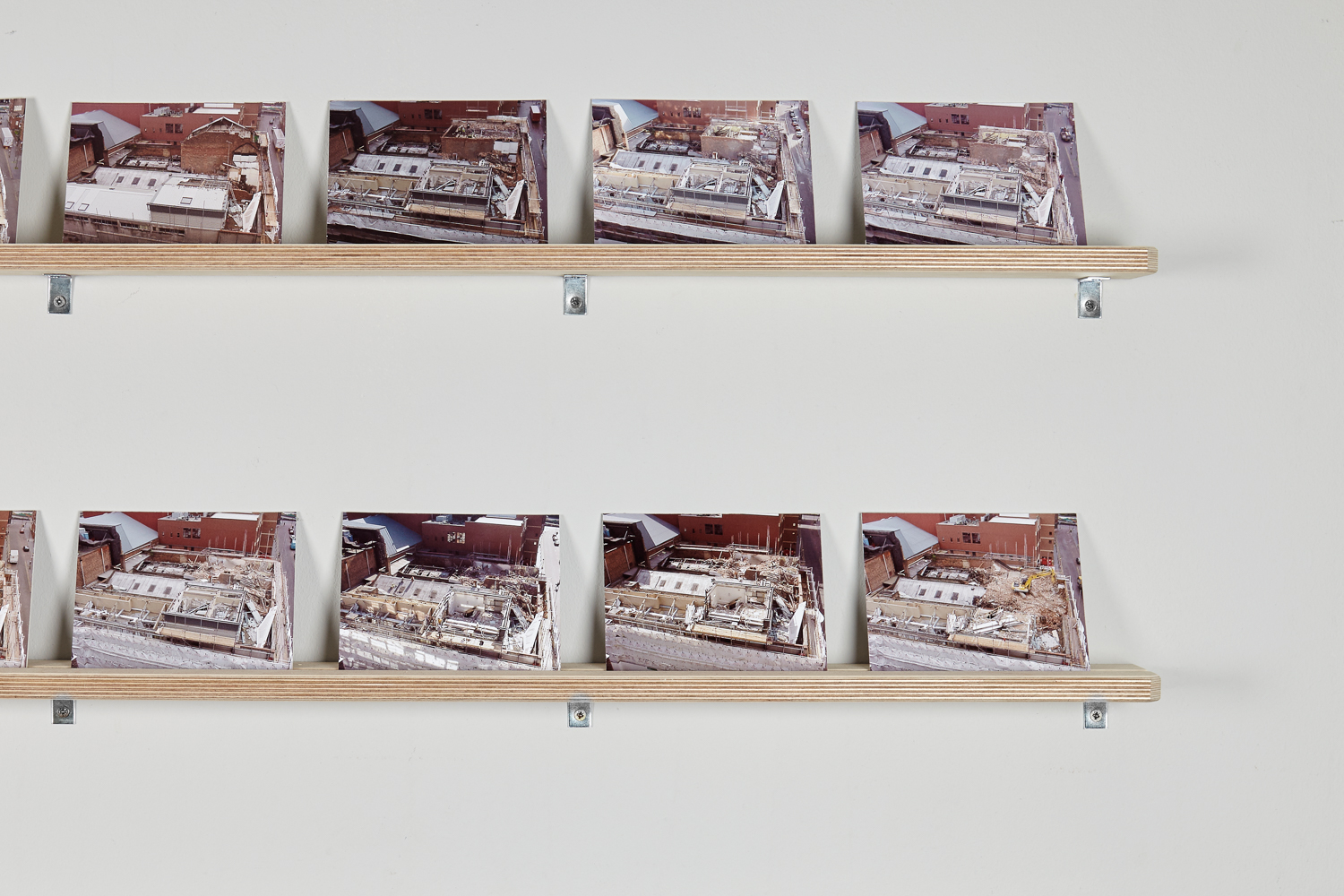
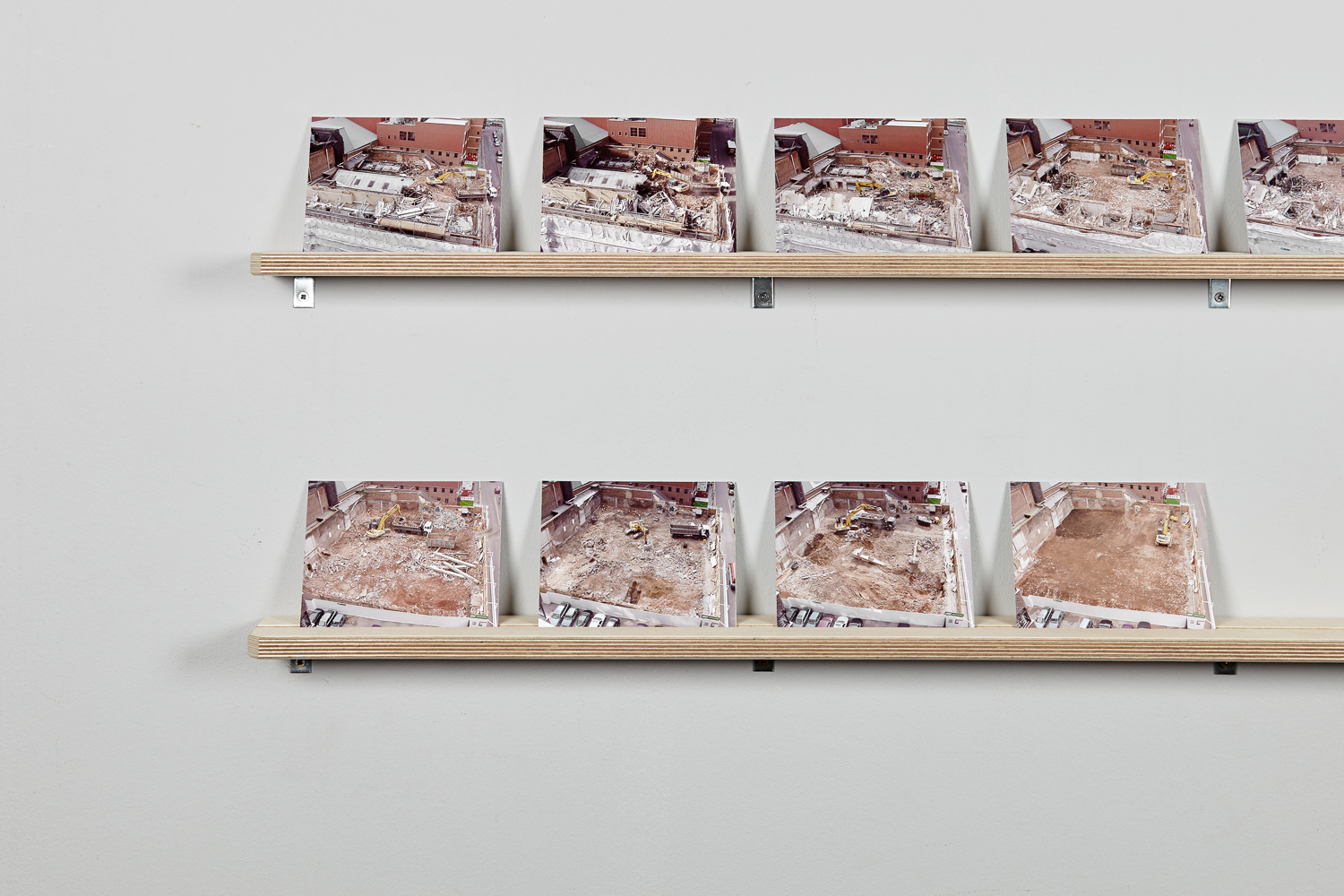
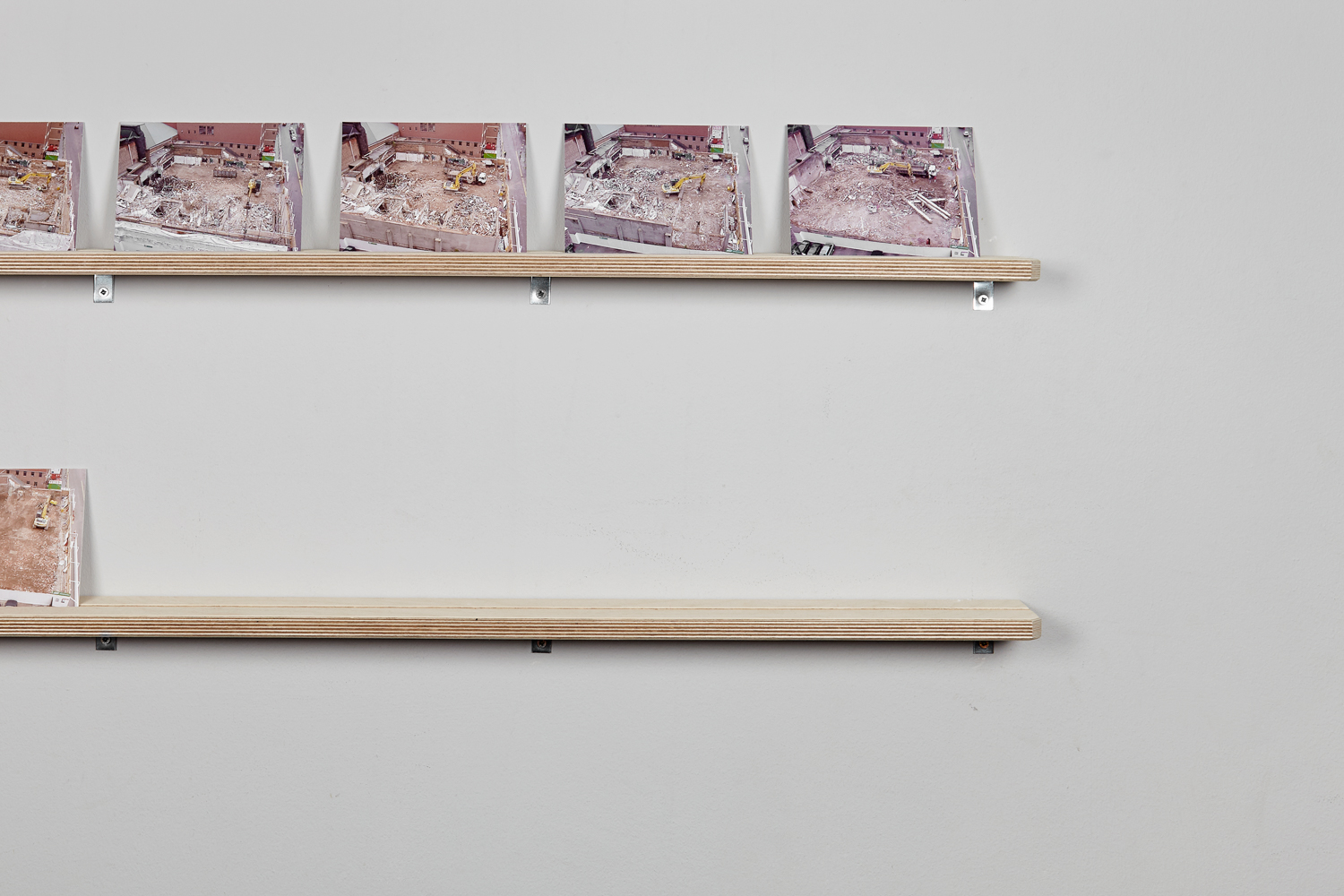
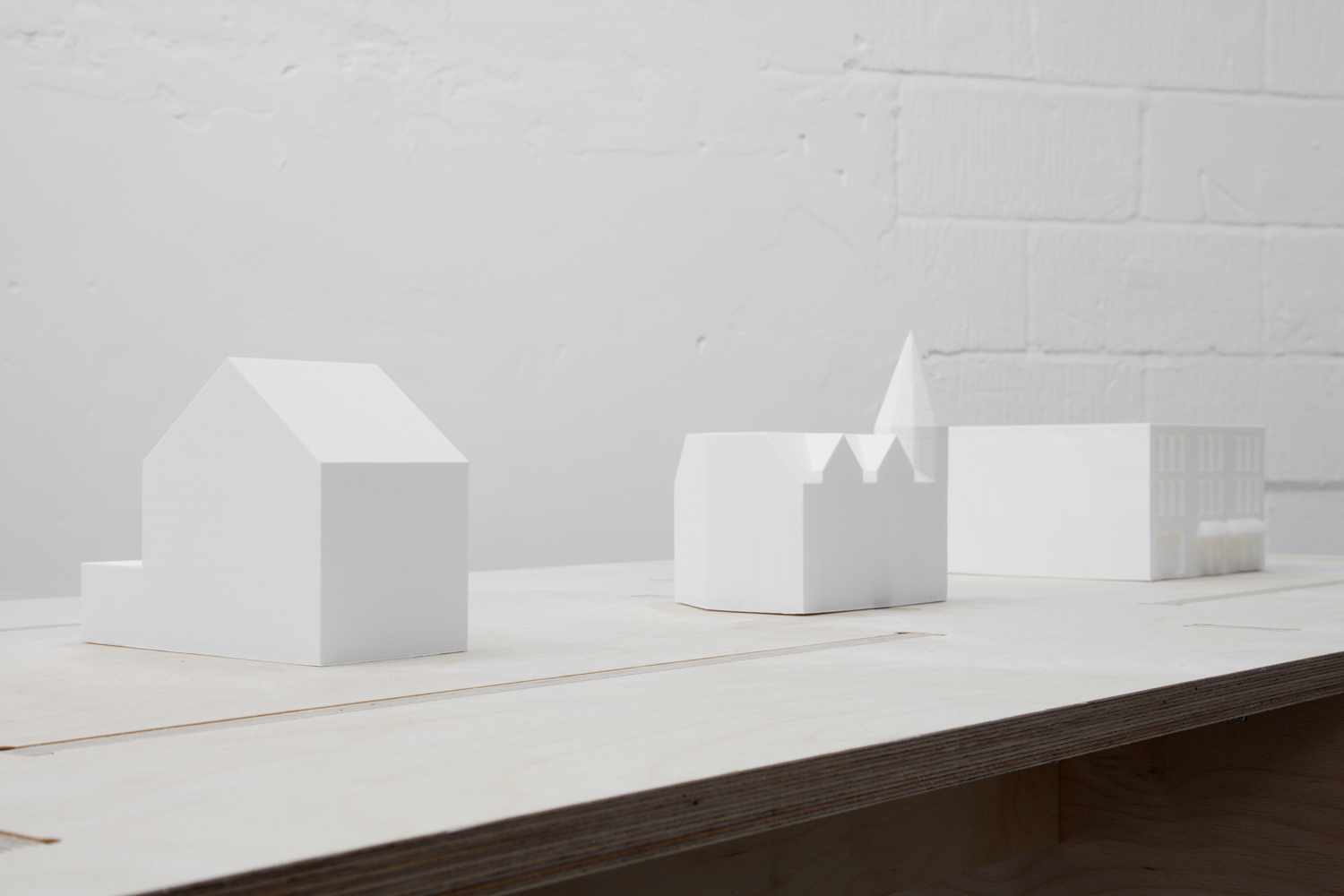
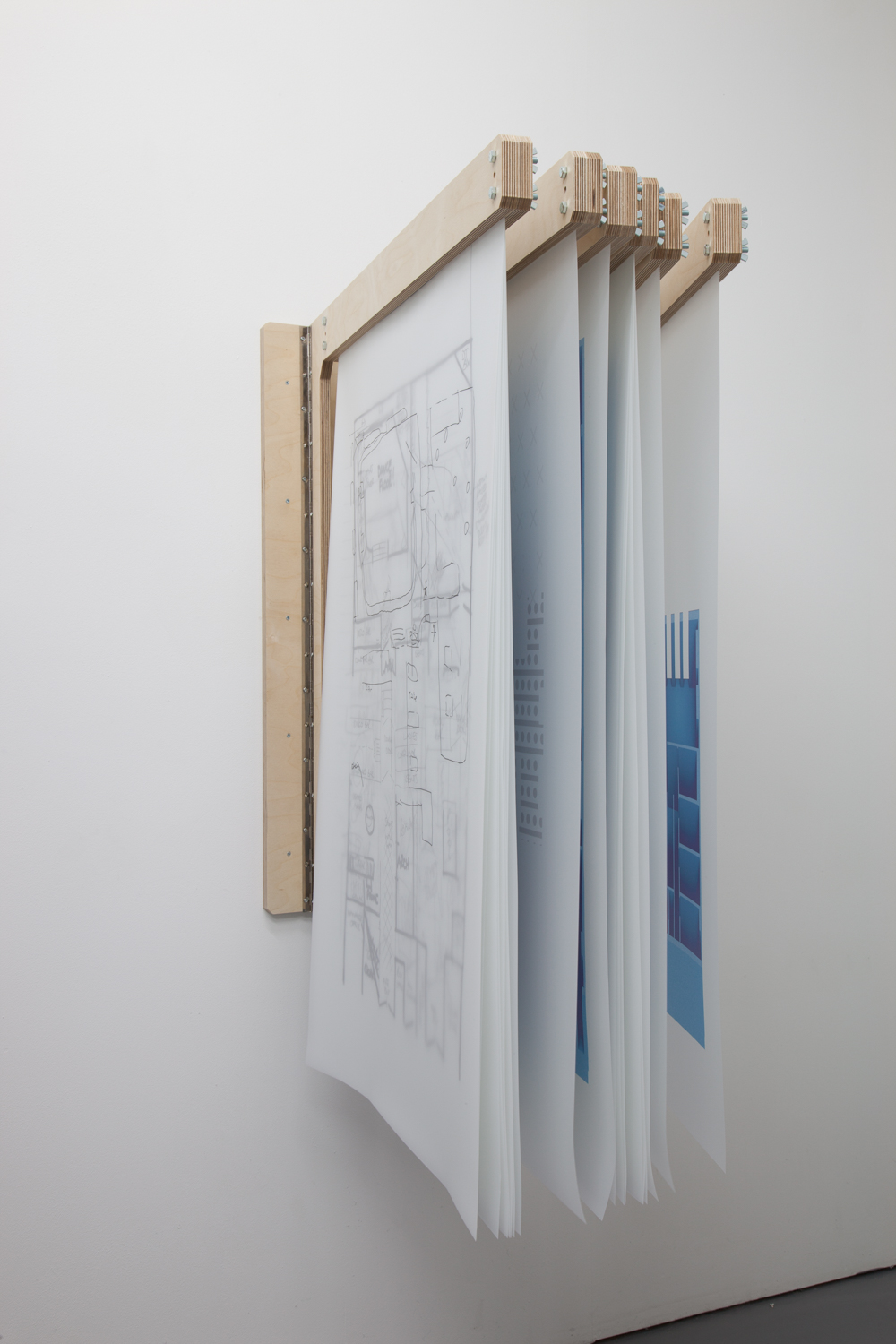
    If Memory Serves narrates the previous venue of Birmingham’s oldest queer space, The Nightingale Club. The exhibition forms part of an ongoing research project by Ryan Kearney, which born out of gaps in the city’s queer record, considers the closure of LGBTQ+ spaces, their exclusionary practices and the role of memory in forming a queerer archive.

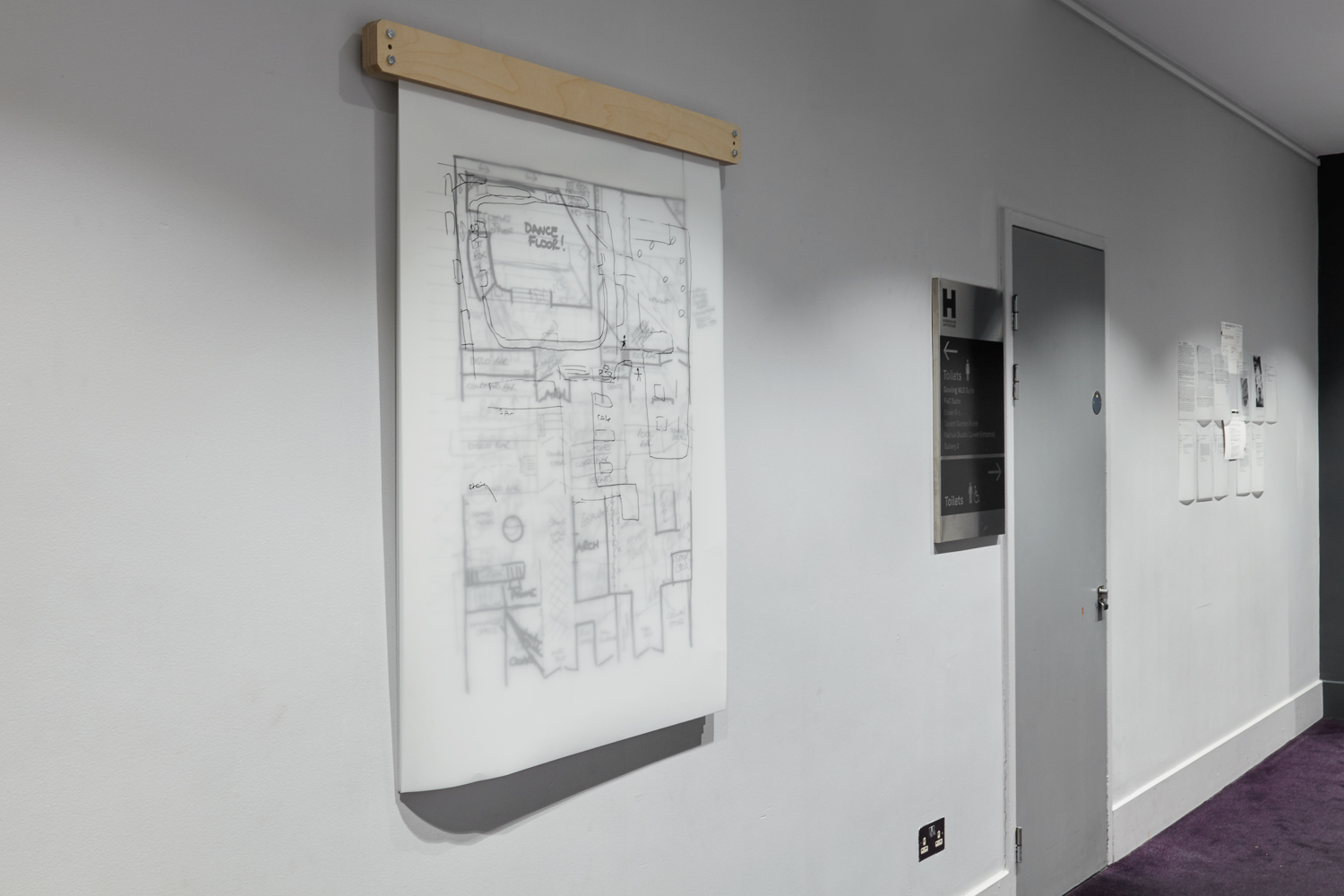
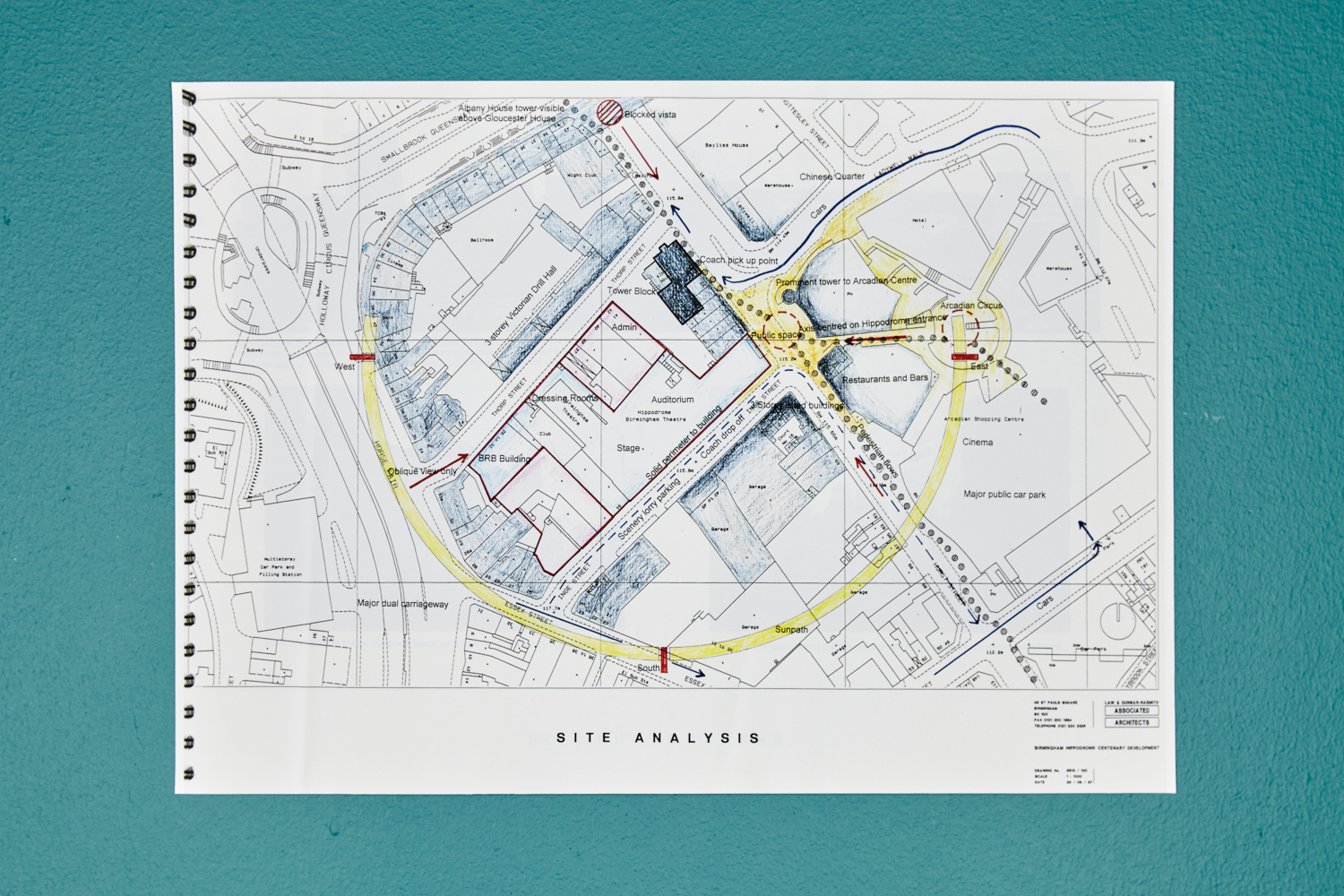
    The Nightingale Club’s history centres on narratives of migration and erasure. From a terraced house to an ex-working men’s club, its previous sites faced compulsory purchase orders and rejected applications for expansion. Modelled after a gay village, the club’s third iteration on Thorp Street was purchased by Birmingham Hippodrome in 1994 following ongoing efforts, and was subsequently demolished for their expansion. Merging recollections, personal ephemera and archival material, If Memory Serves re-positions collective narratives upon the site of club’s former foundations.

    To its members, the club was an extension of home, but women could not obtain membership until the mid-1990s. According to Anne Ellen, entry “depended on the guards at the door, but it also depended on the members. There were guys that liked women coming in, but there were also guys that didn’t like women coming in because they felt like it was their space – it was quite difficult to integrate.”

    The exhibition’s title is taken from If Memory Serves: Gay Men, AIDS, and the Promise of the Queer Past, Christopher Castiglia and Christopher Reed’s argument for queer memory as an activist tool. The display advocates the role of memory in remedying fractured queer narratives, while forming an understanding between cross-generational experiences and the ongoing displacement of our queer ecosystems.

    The exhibition is accompanied by a programme of workshops, through which participants are invited to record Birmingham’s queer spaces, both past and present. This research will form a publication delivered in collaboration with SHOUT Festival of Queer Arts and Culture in November 2019.

    Photos by John Fallon
  • The Club’s Conception (or How the Egg Was Cracked)

    Recent Activity
    4 May – 1 Jun 2019

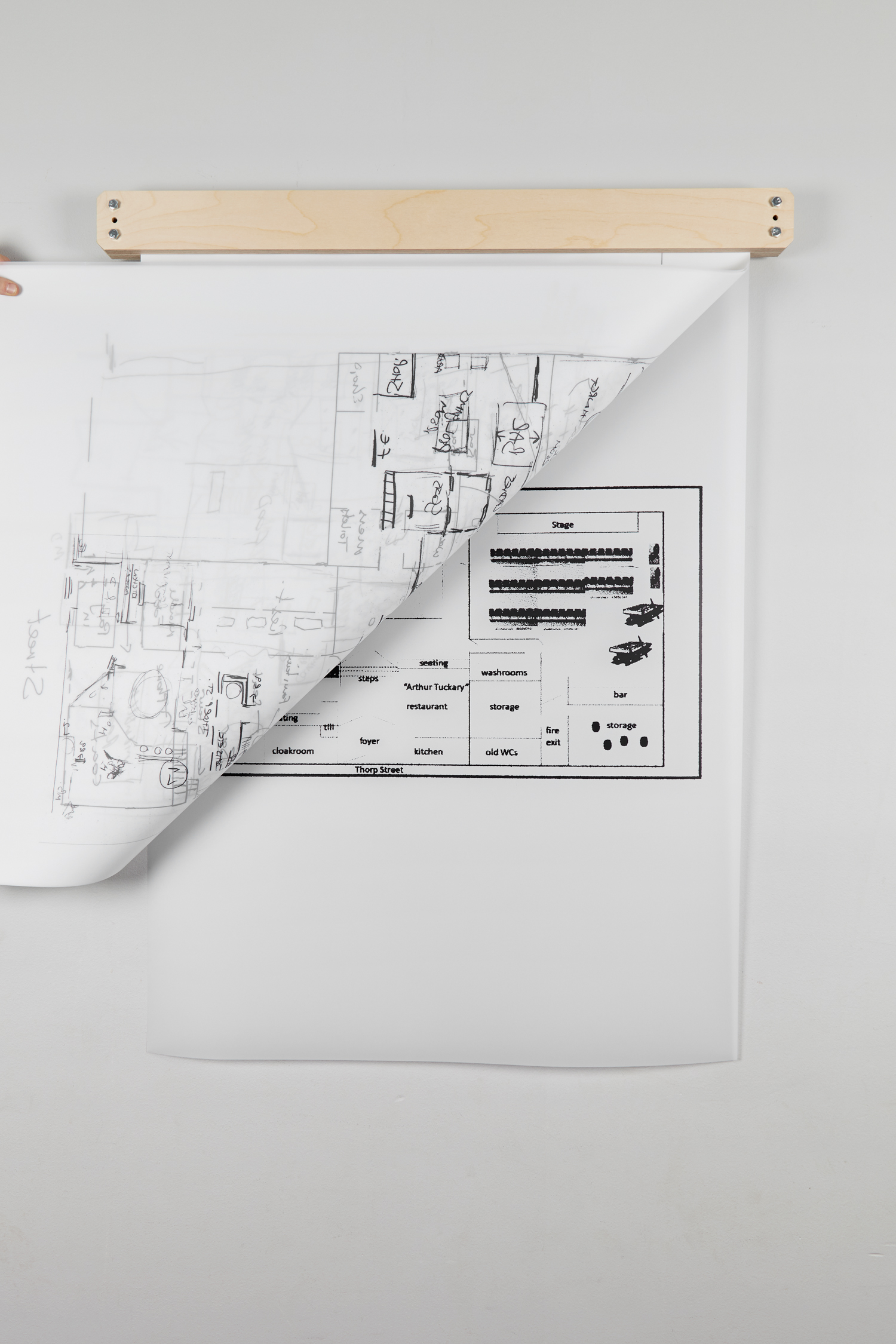
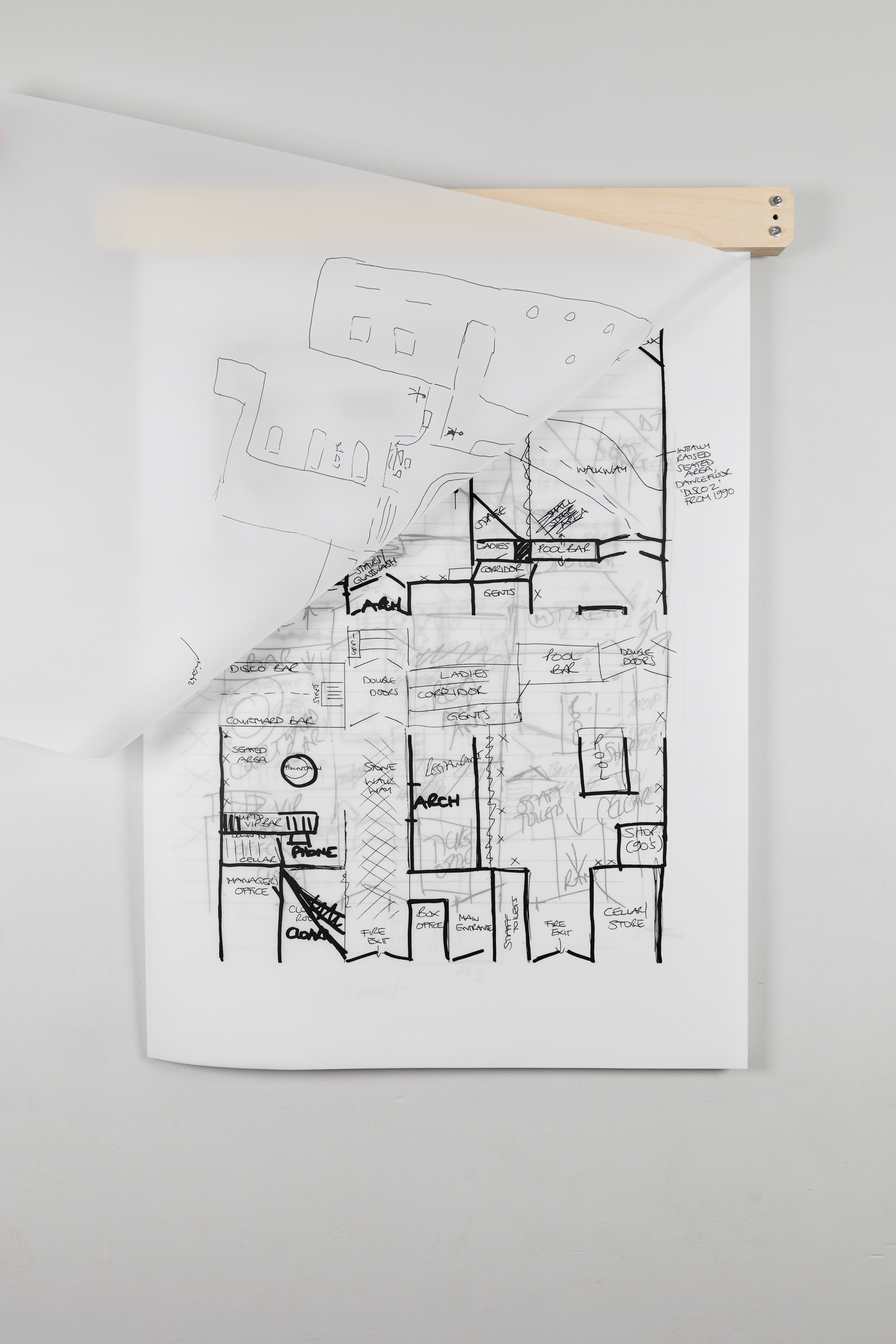
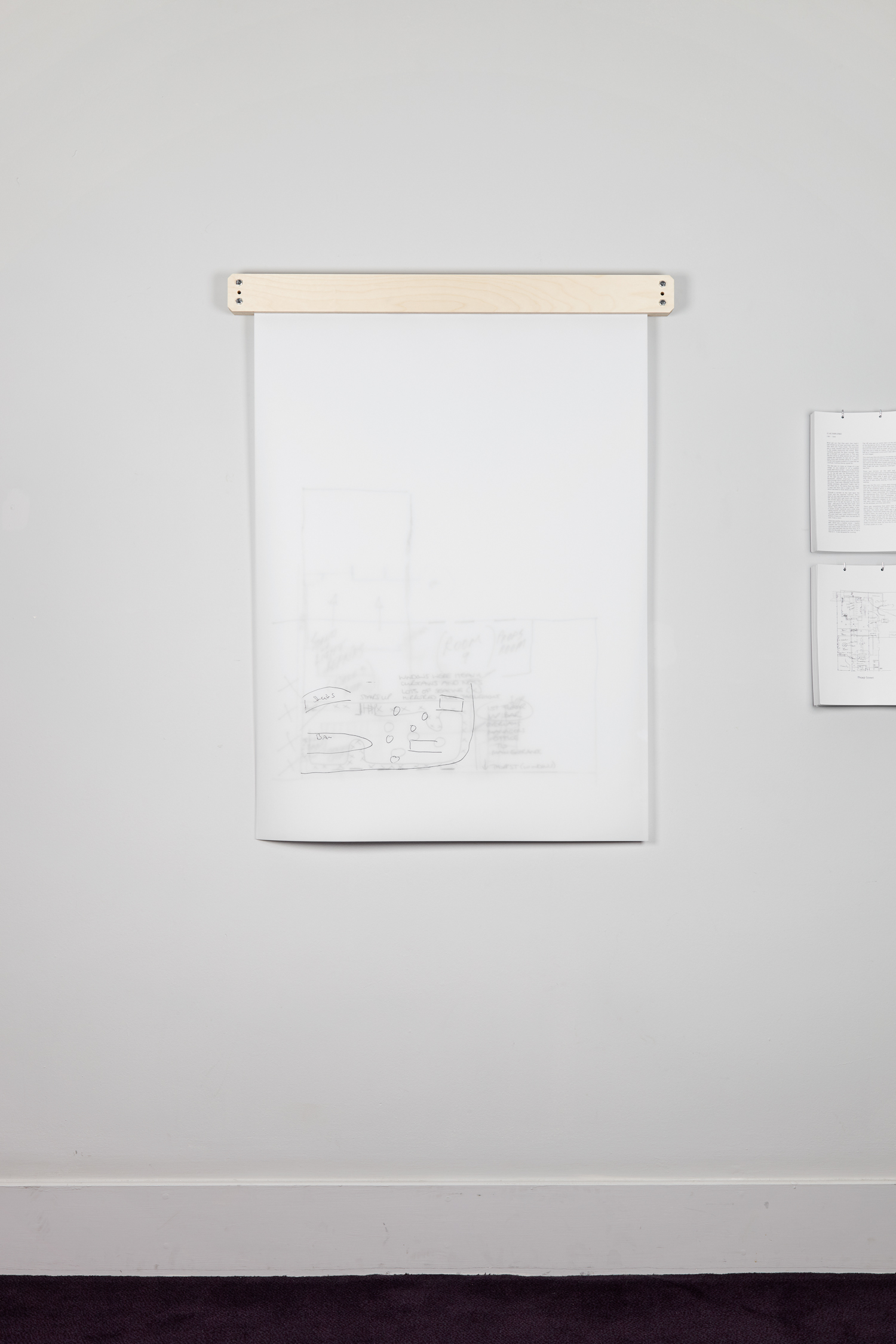
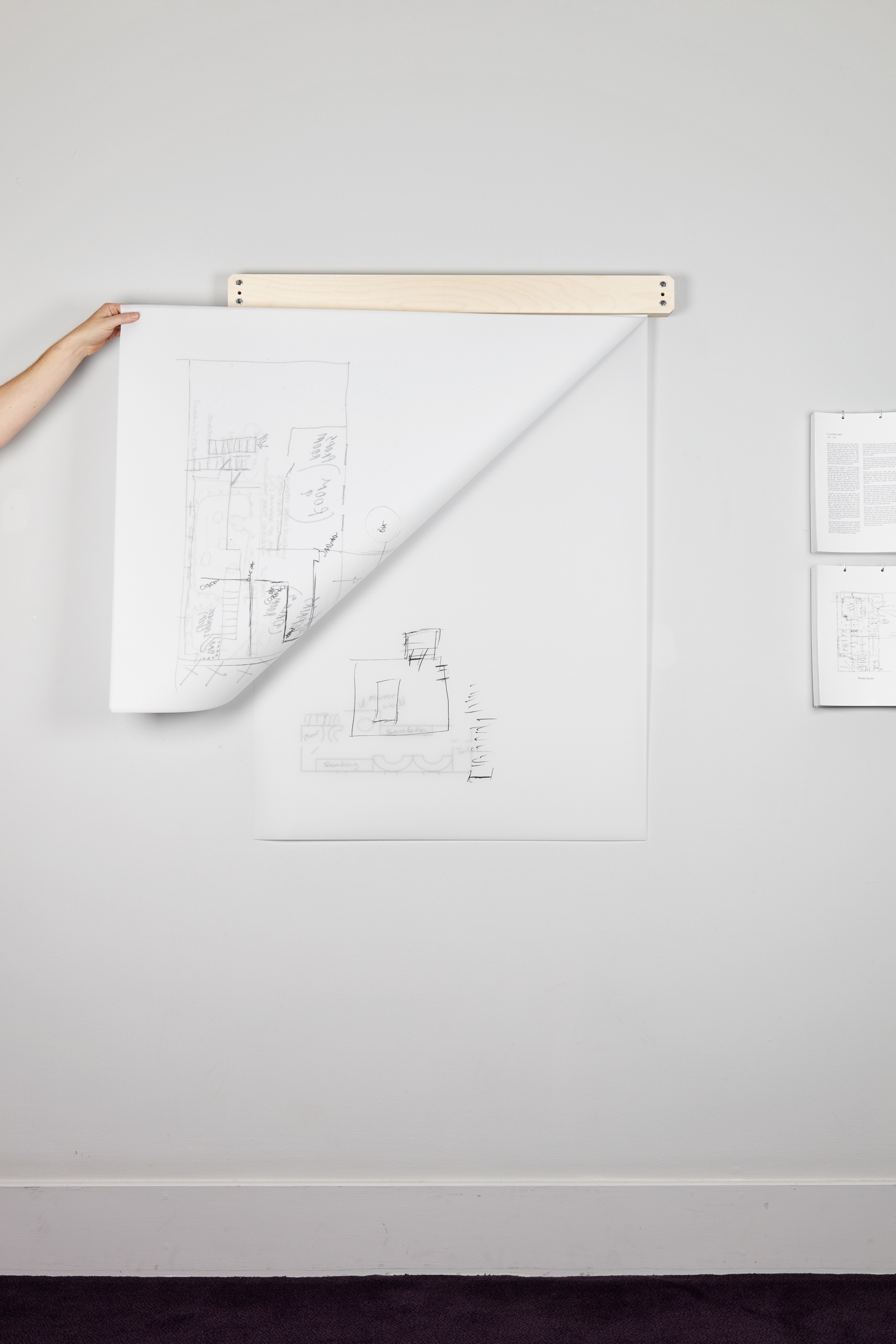
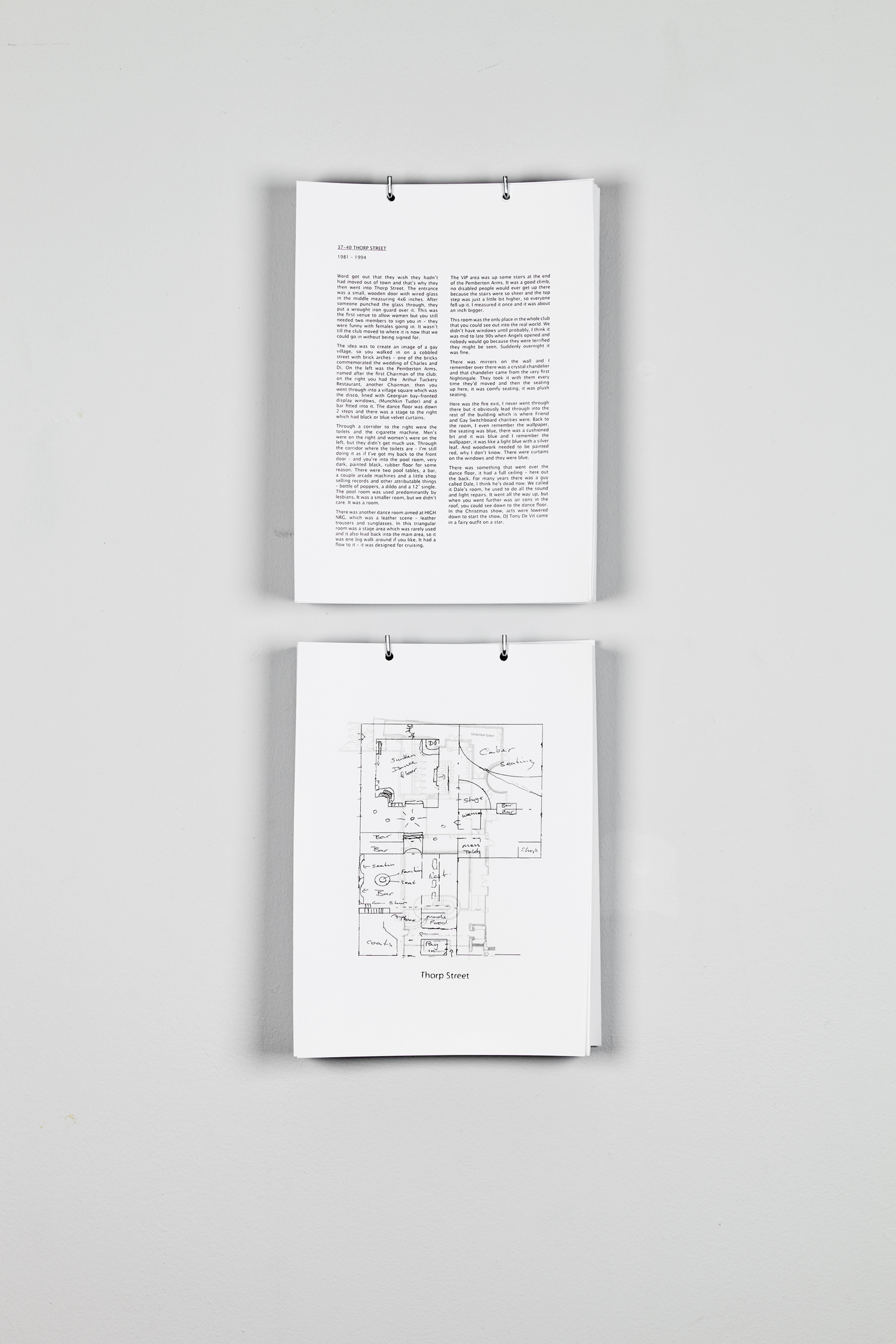
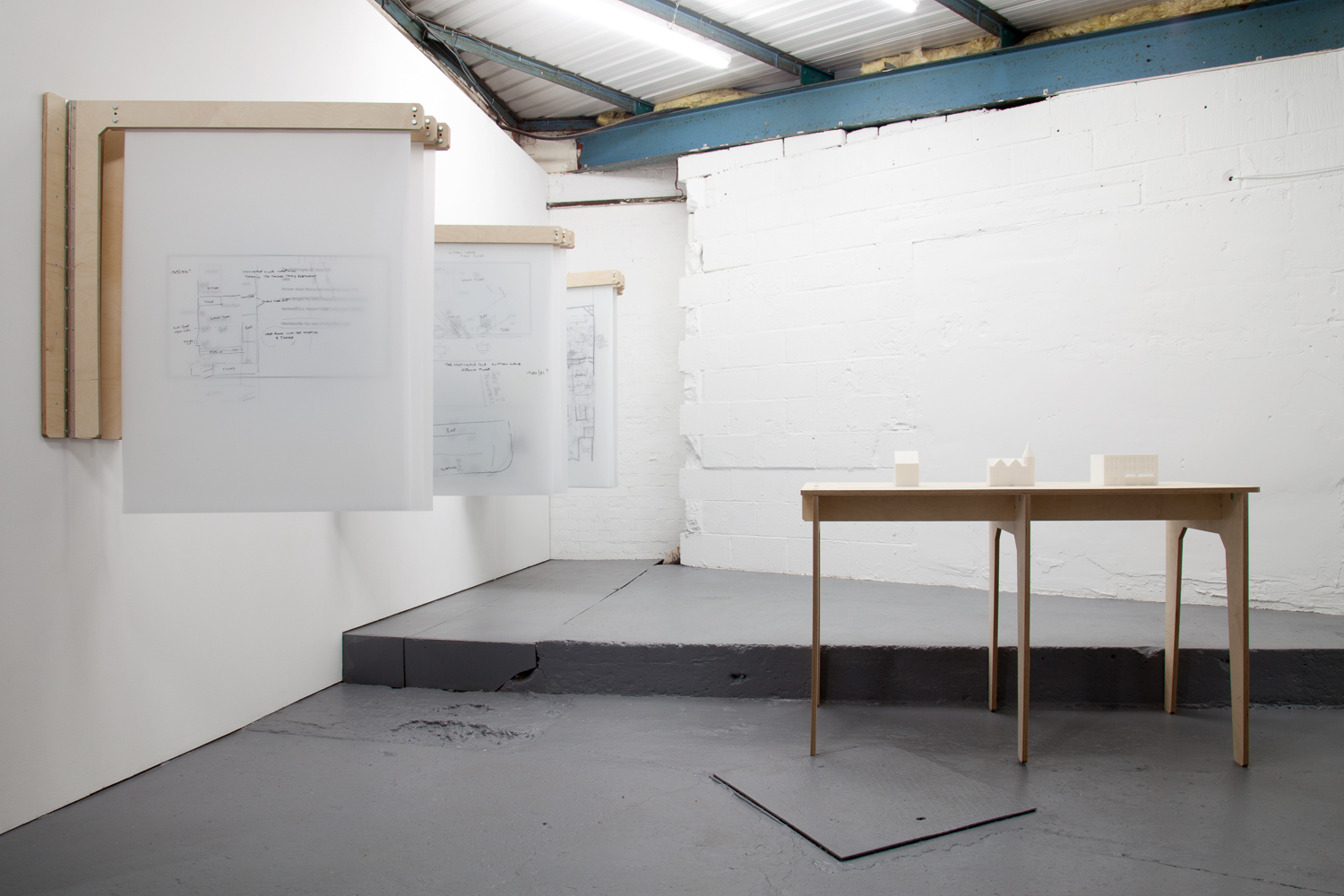
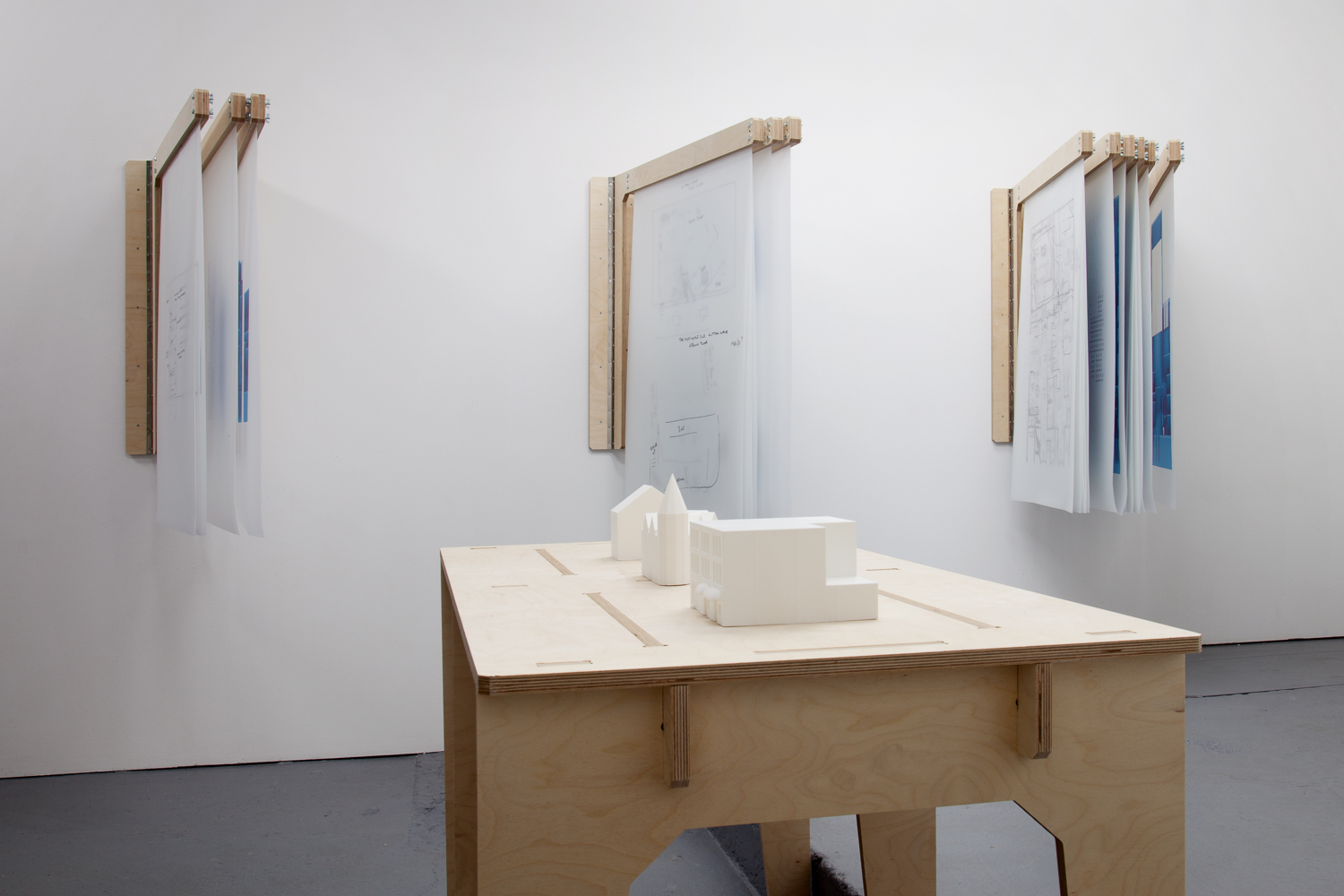
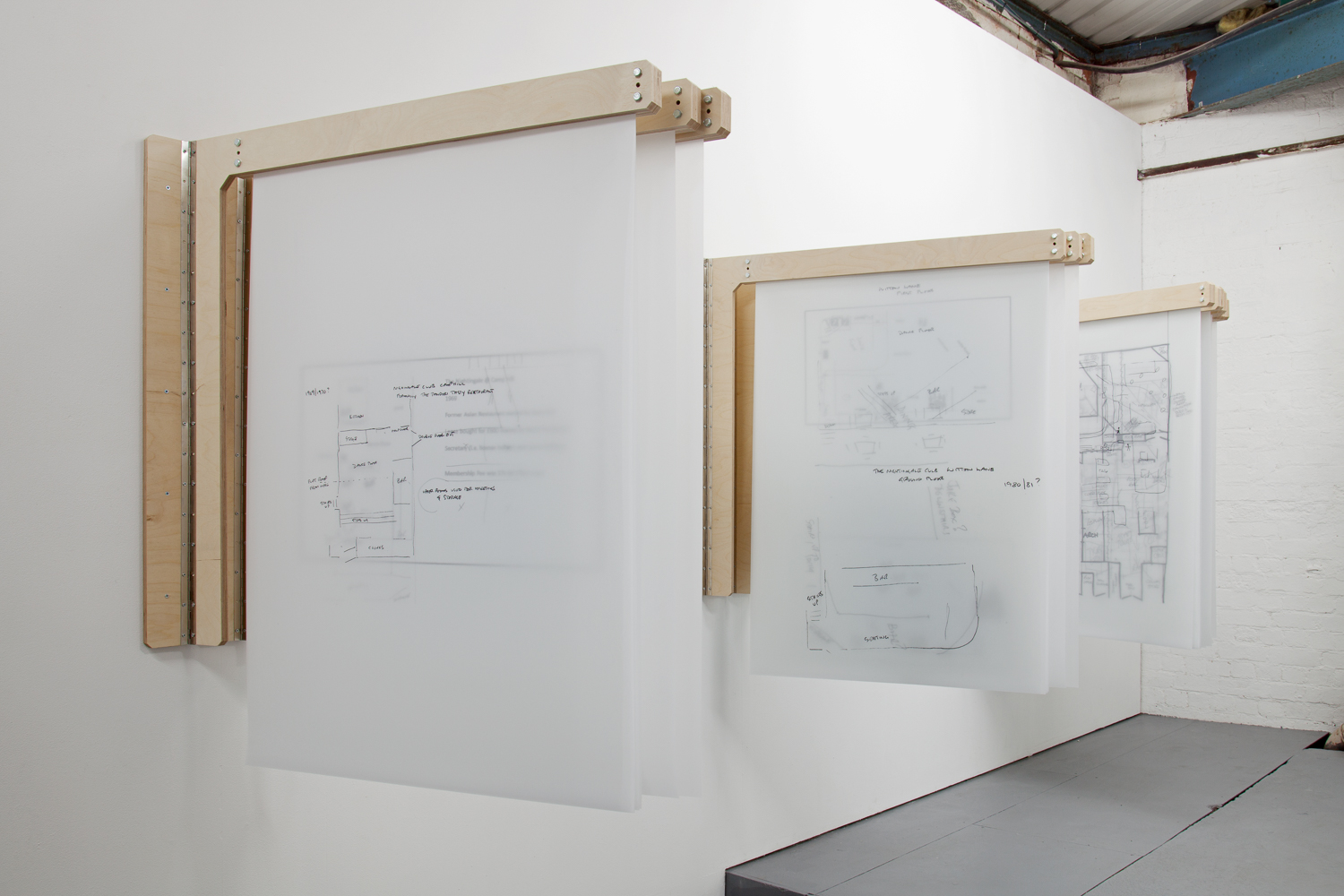
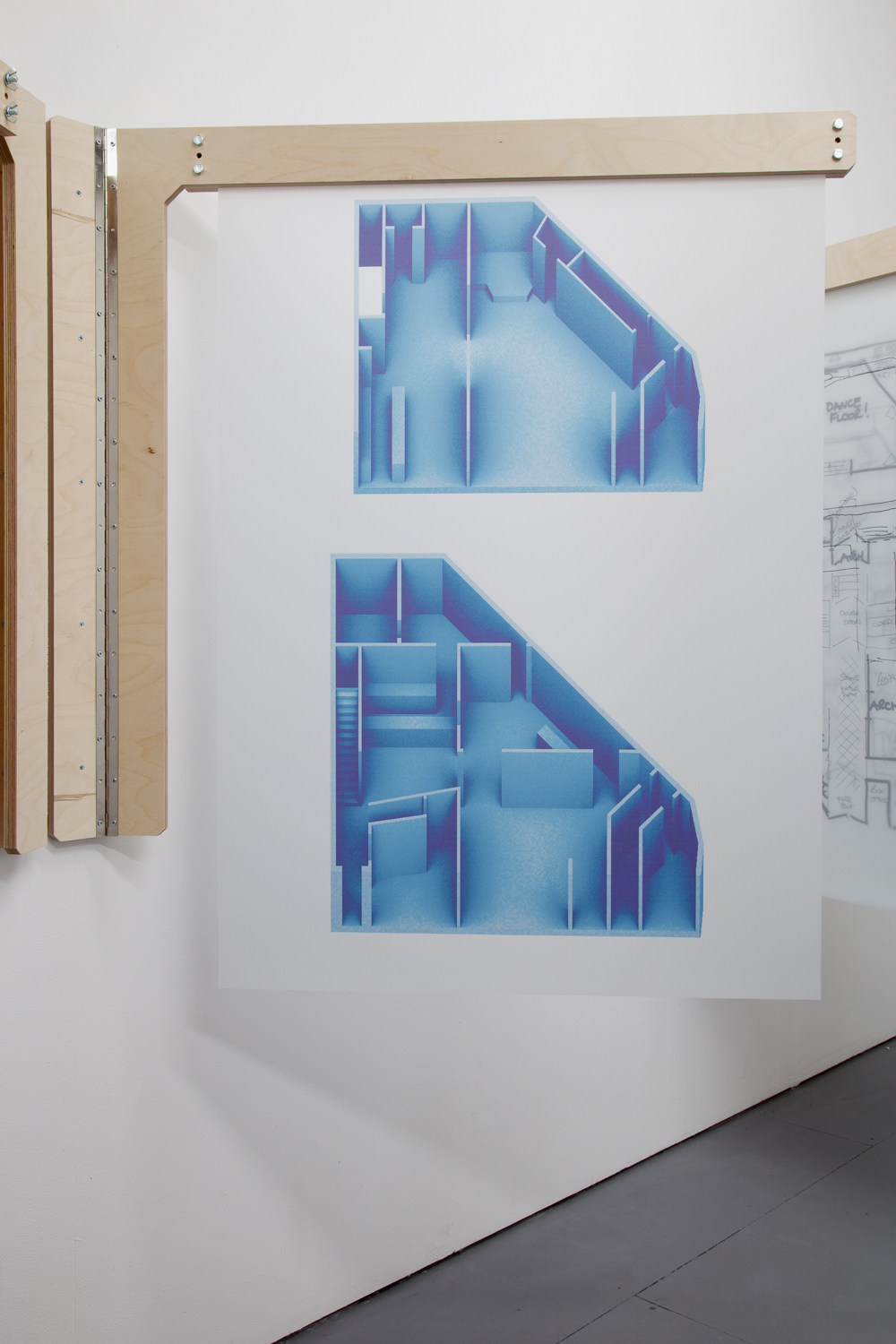
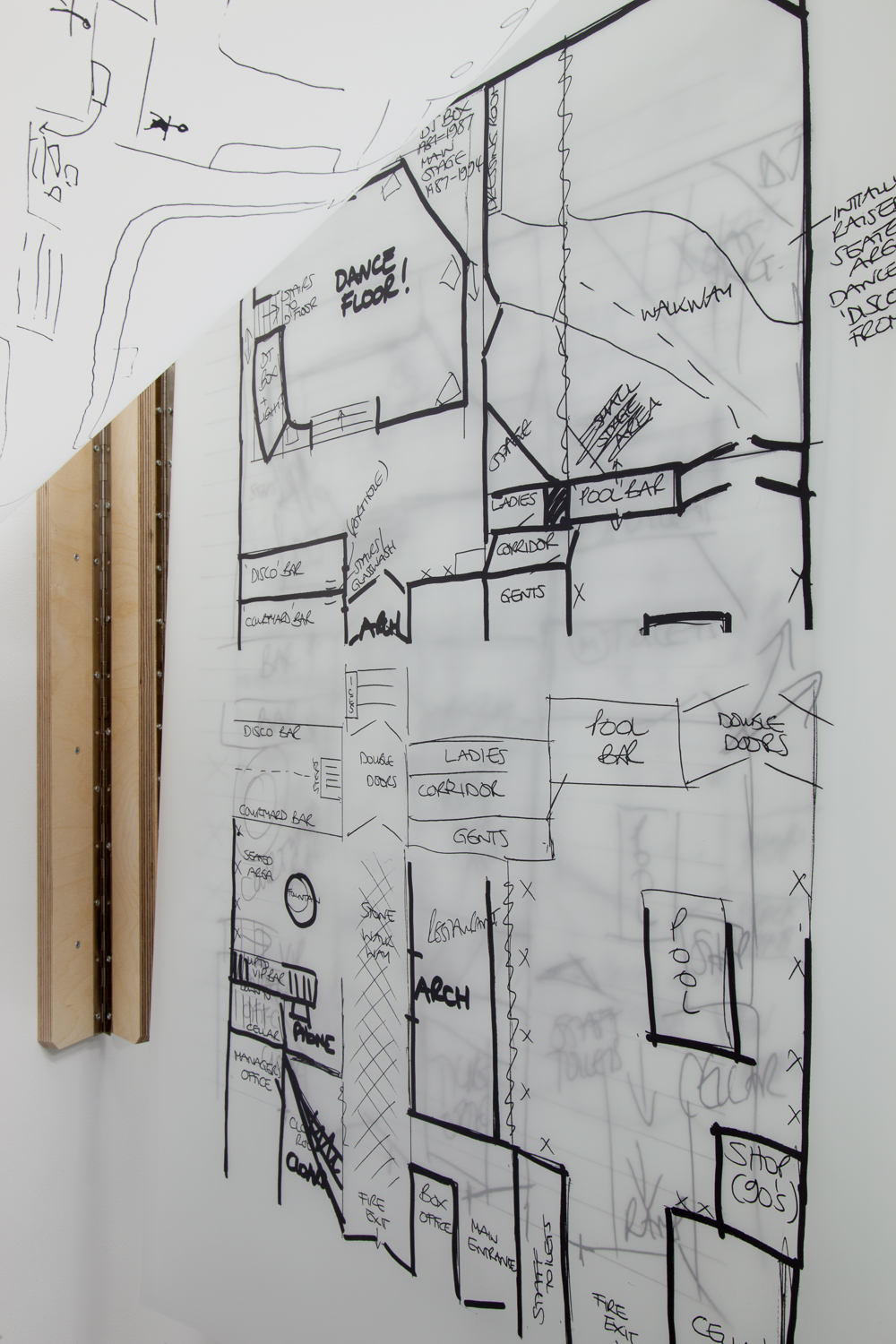
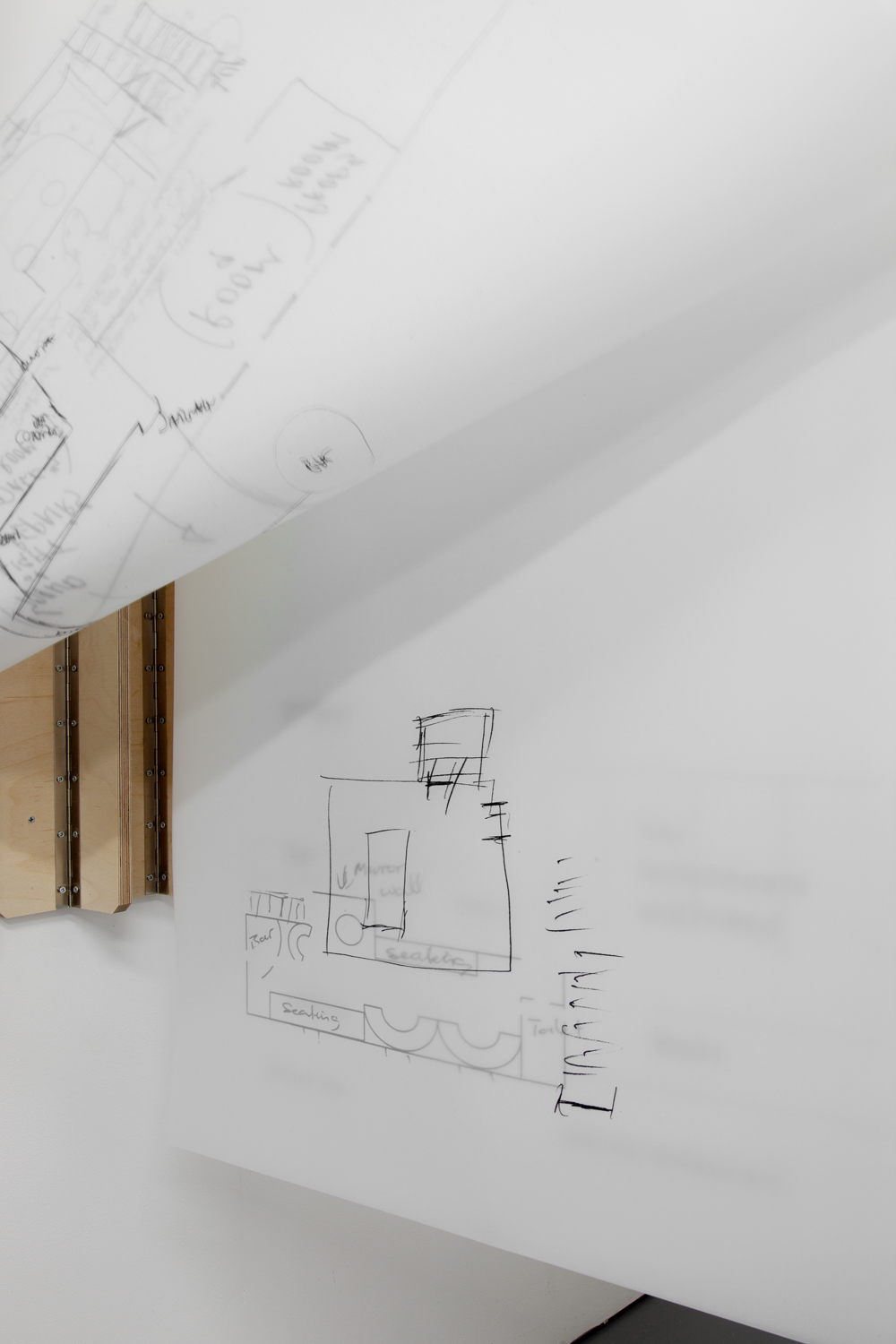
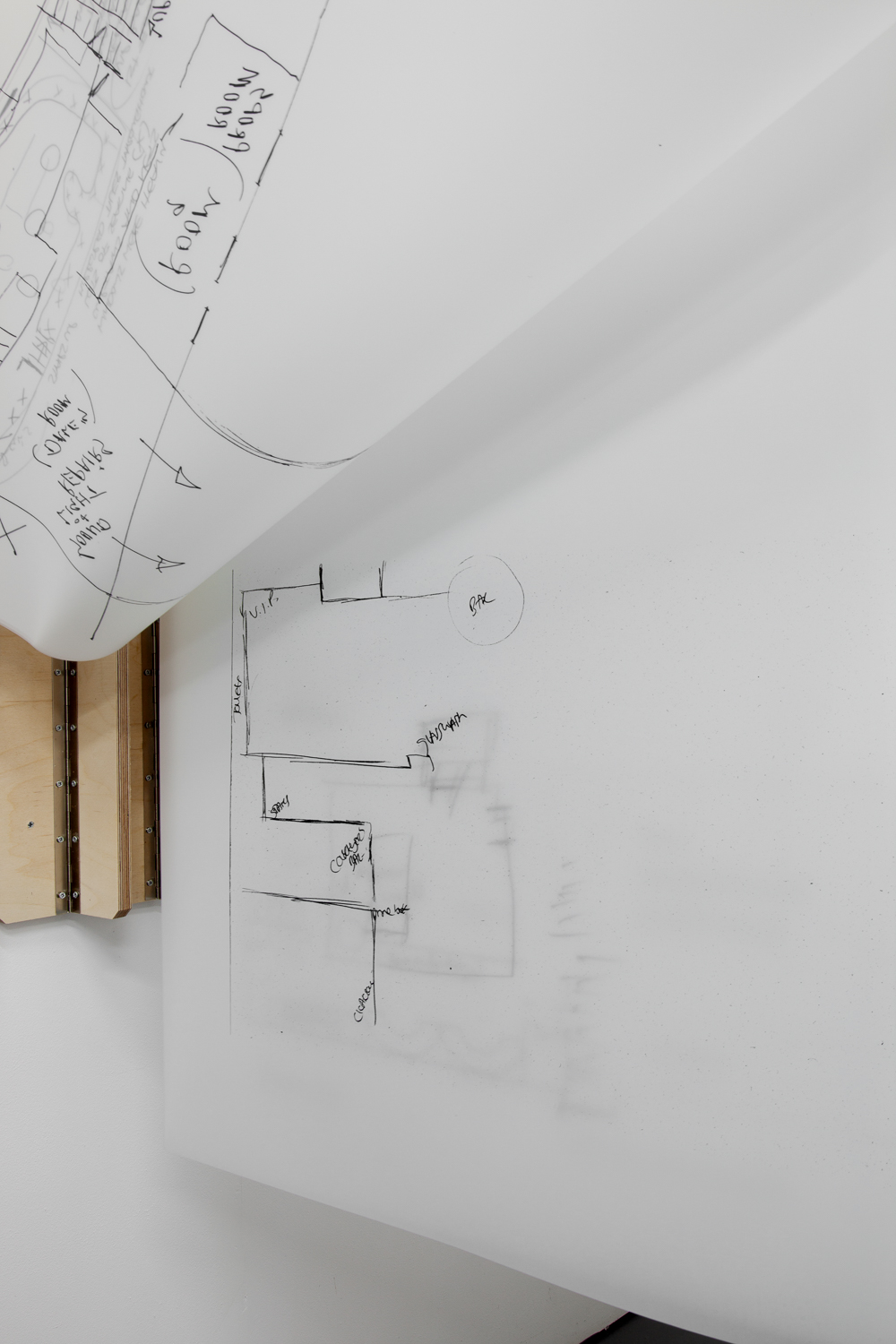
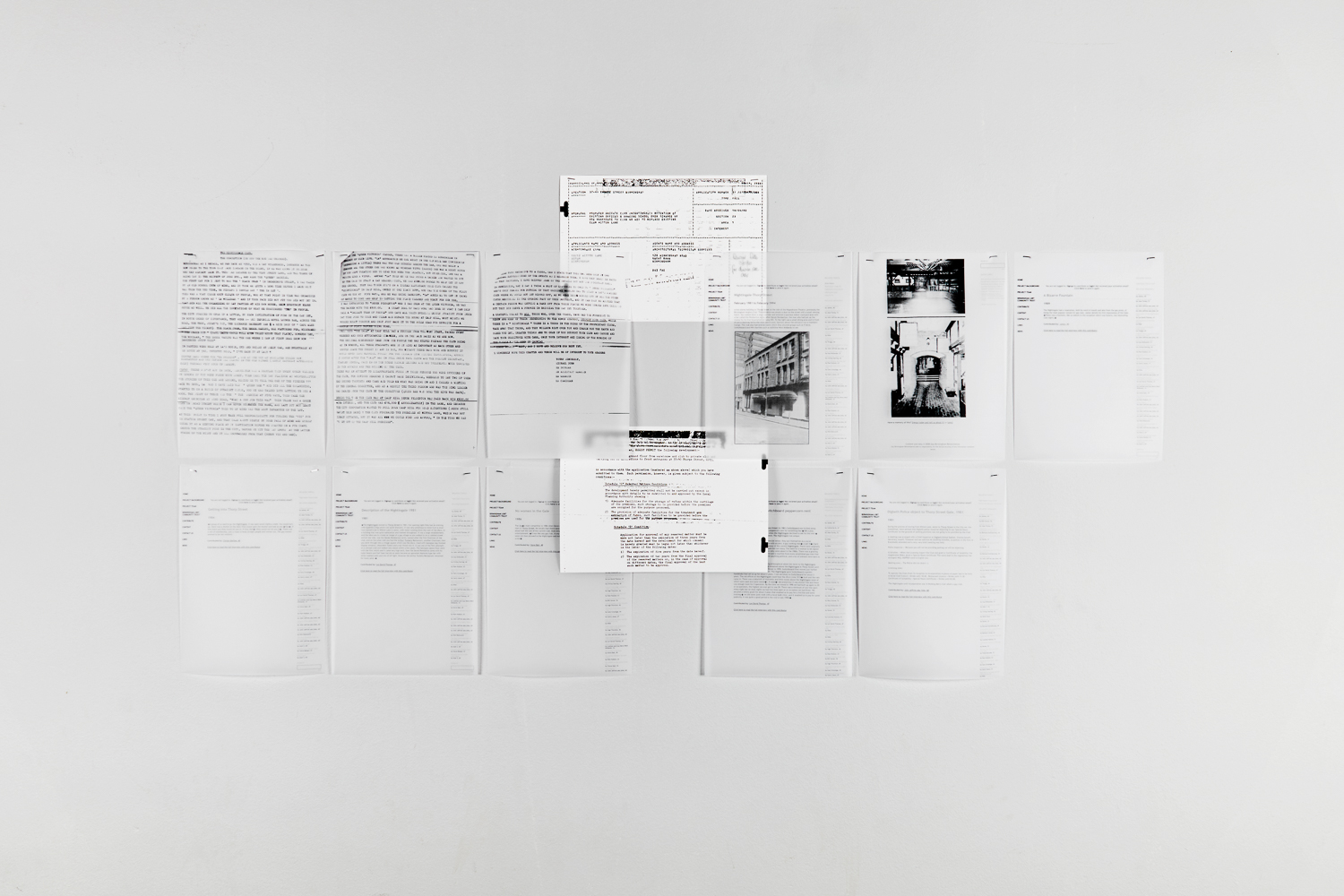
    The Club’s Conception (or How the Egg Was Cracked) is an exhibition which looks to retrace the past venues of Birmingham’s longest-running queer space, The Nightingale Club. In collaboration with those who attended its three preceding venues, Intervention Architecture and Ryan Kearney map these spaces from recollections, replacing absent photographs while positioning personal and collective narratives within archival significance.

    Founded as a member’s association in 1969, The Nightingale Club leased a two-up, two-down house on Camp Hill. Much like a home, visitors requested entry and could be denied, reflecting the necessitated subtlety of early queer establishments. Following a compulsory purchase order in 1975, the venue moved to a working men’s club on Witton Lane, before taking up residence in a fishing association on Thorp Street in 1981, where it remained until it was sold in 1994. The club’s previous sites reflect ongoing threats of regeneration in Birmingham’s LGBTQ+ community, and the need to shift, occupy and adapt heteronormative structures while providing important spaces for queer people.

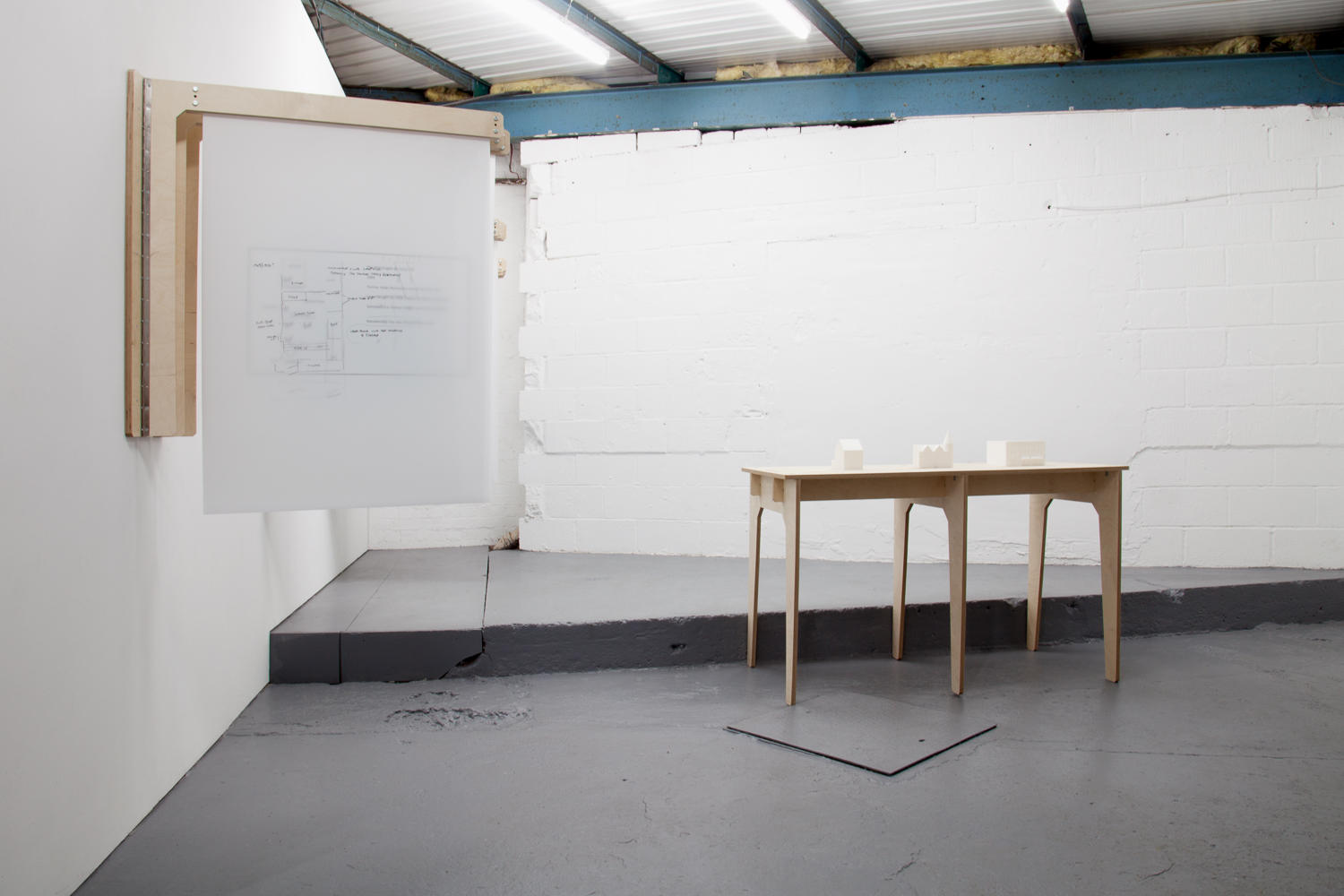
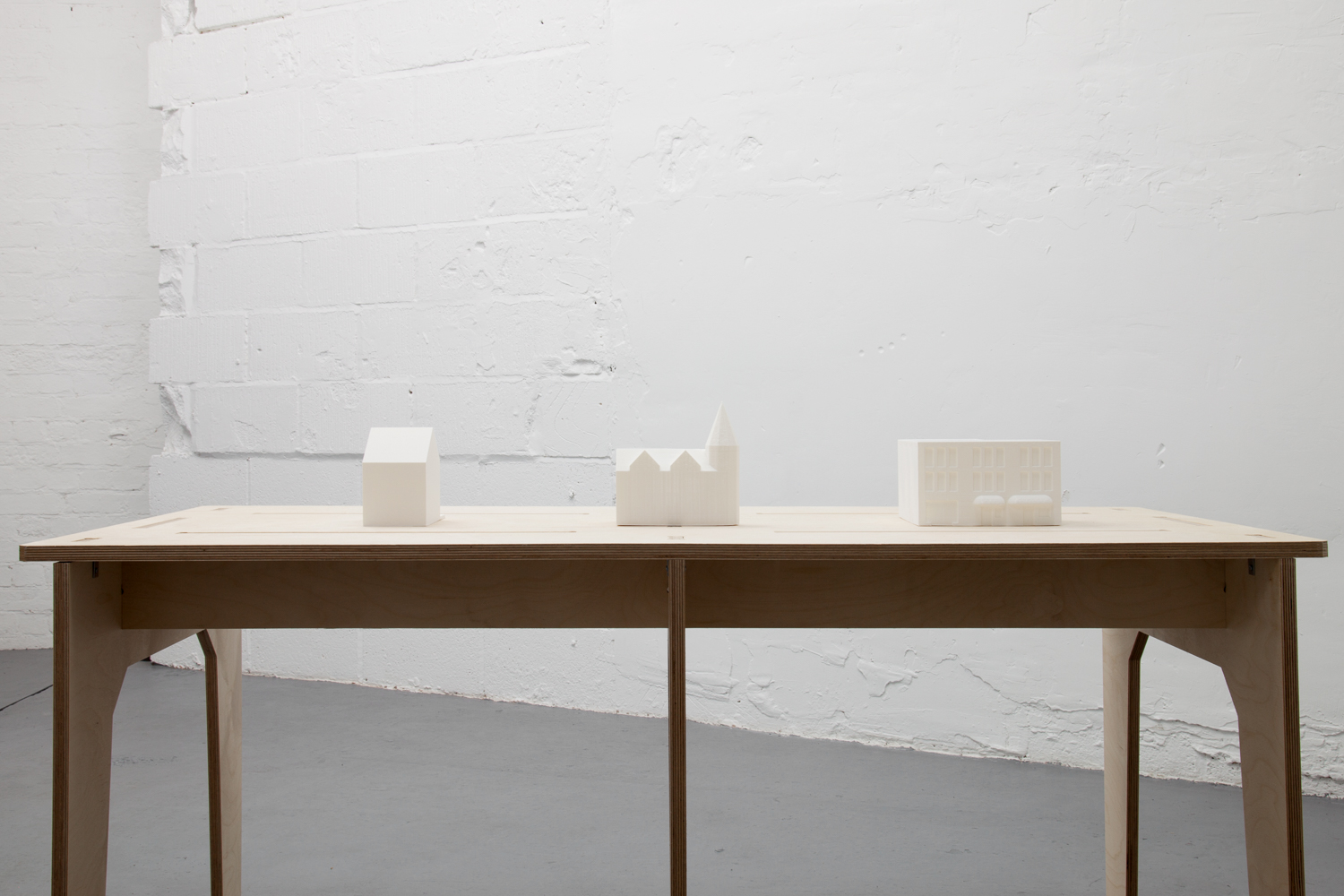
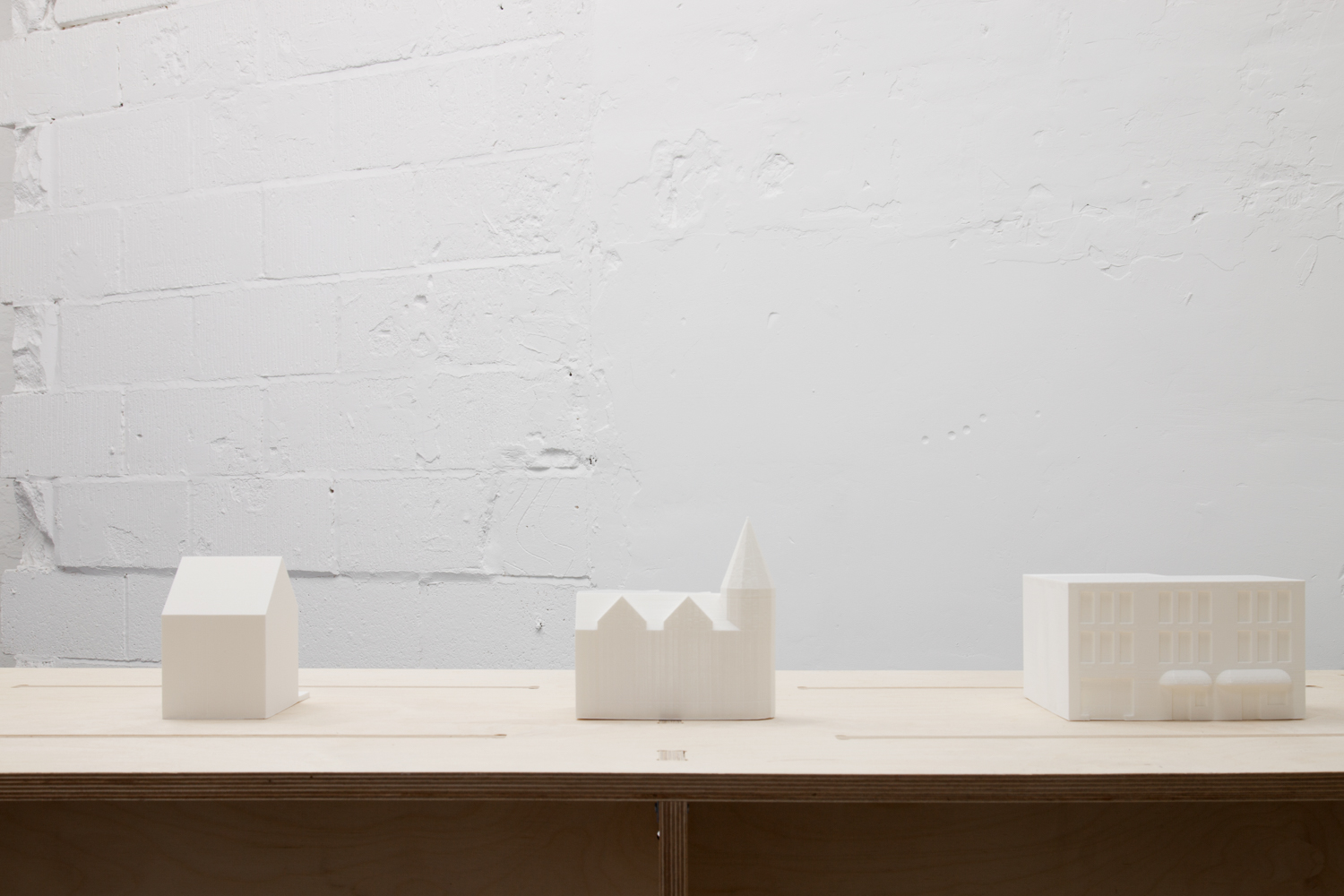
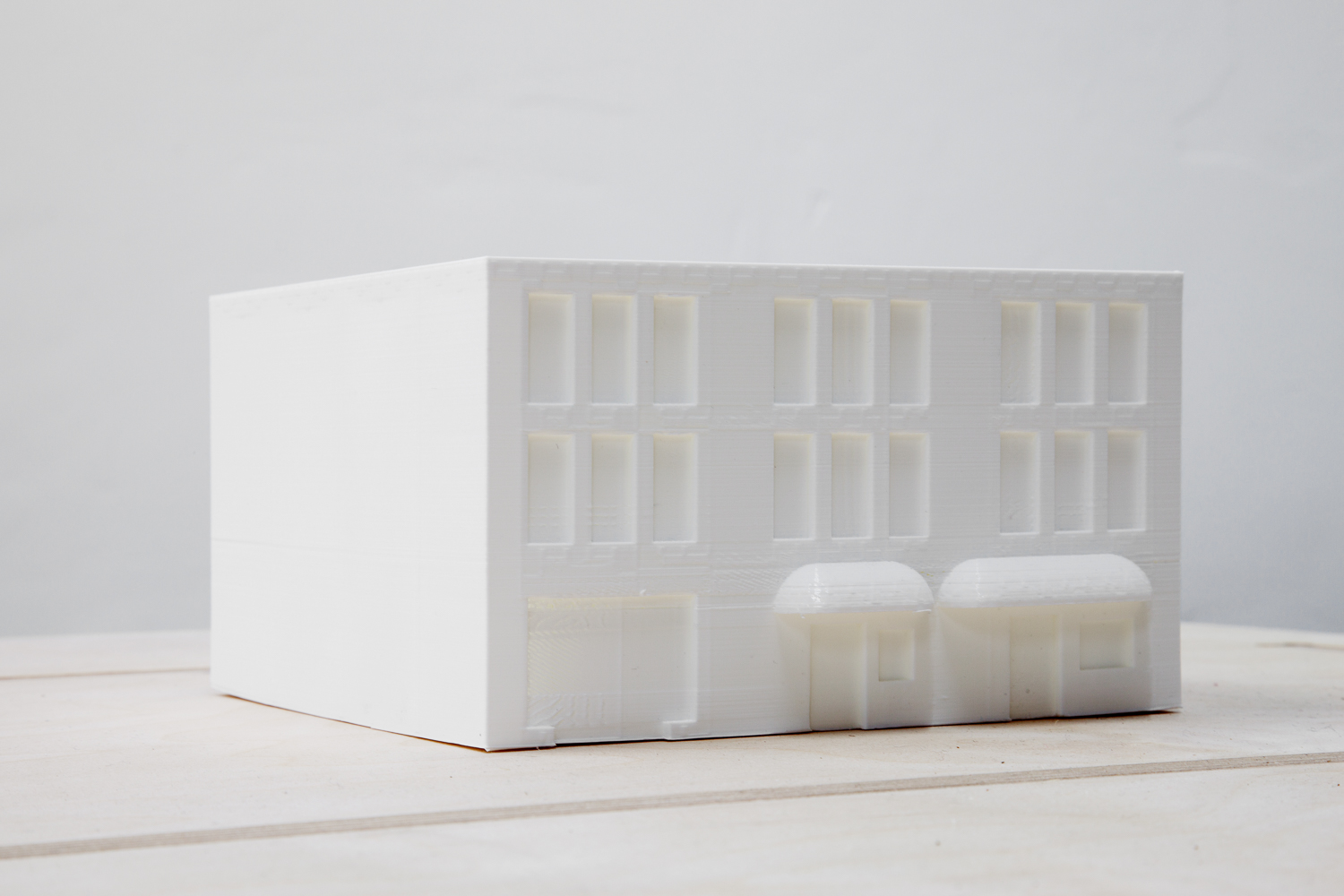
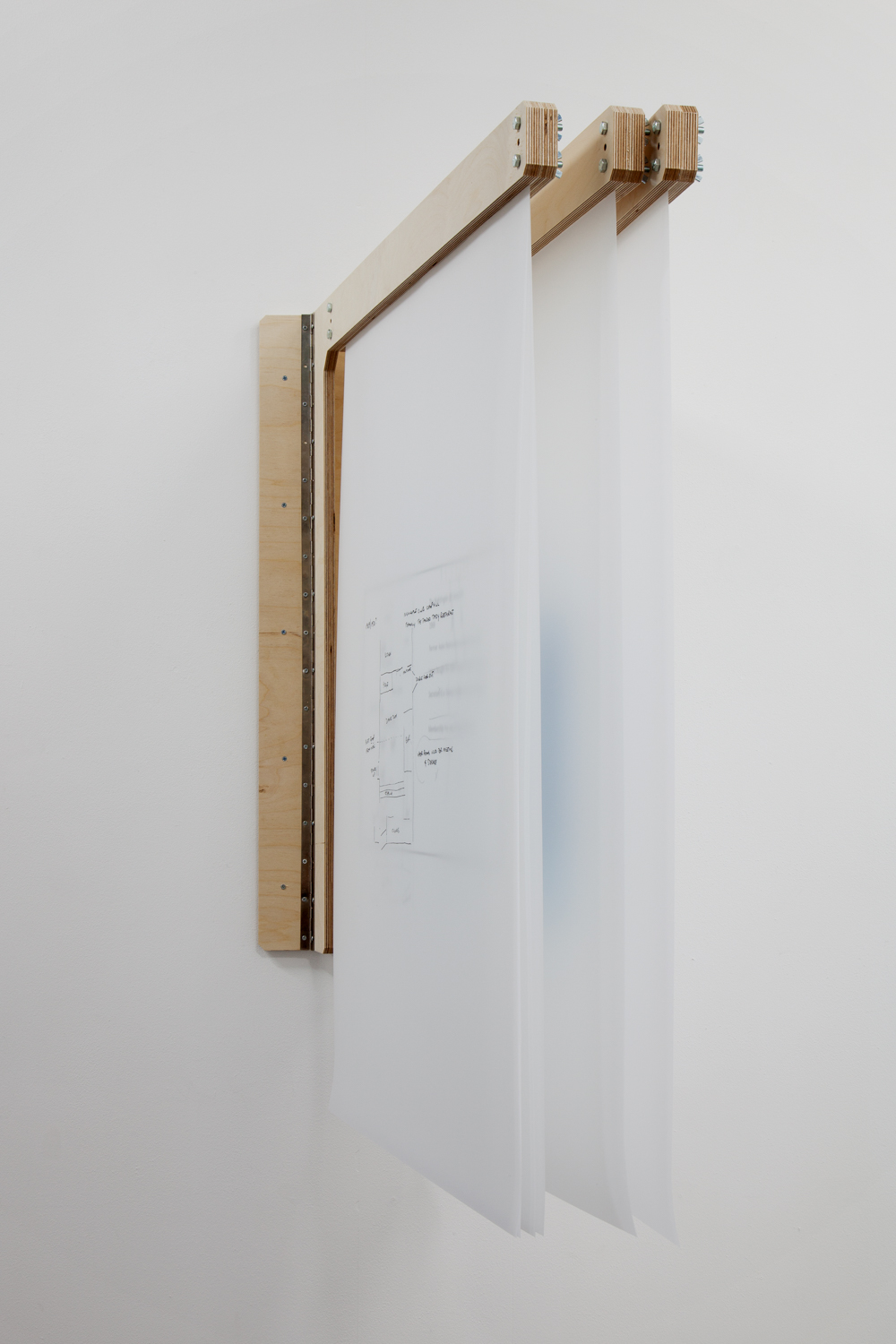
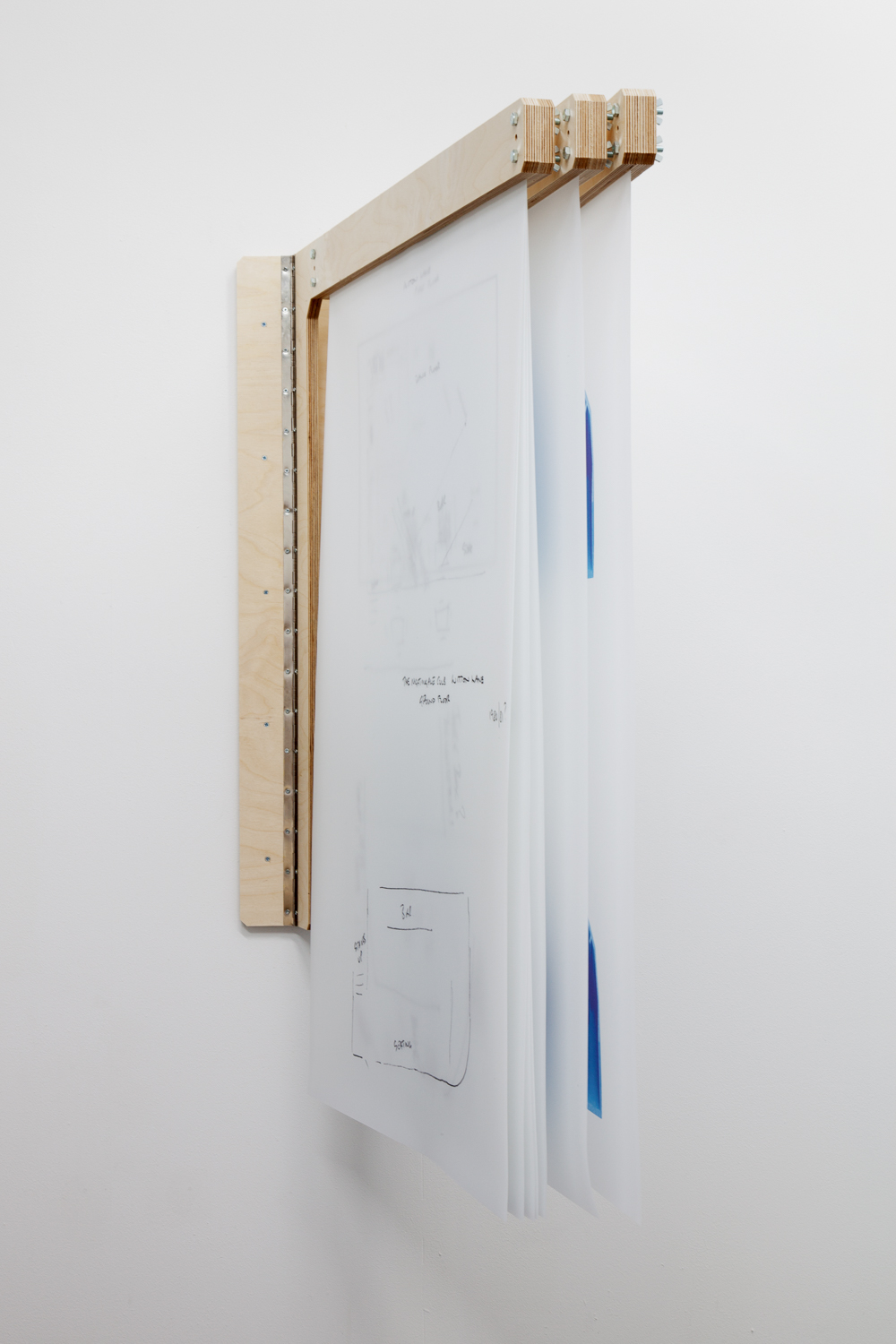
    The Club’s Conception (or How the Egg Was Cracked) consists of armatures which carry the participant’s sketches and their culmination as architectural renderings, models illustrating the club’s structures based only on recollections and text which blends descriptions of walls, floors, doors and windows.

    Using architecture as a point of departure, the exhibition confronts the problematics of a queer venue. Initially run for and by gay men, it was only in the mid-1990s that women could become members of The Nightingale Club, something which is reflected by the ratio between men and women in the project’s list of participants. Prior to becoming a member, women would need to be signed in by and have their drinks purchased for them by a male member. While eventually permitted entry, participants describe entire rooms being annexed by female attendees, creating a safer space within a so-called safe space.

    Exhibition Guide

    Art Monthly, July 2019
    Art Monthly Podcast, July 2019
    New Art West Midlands, May 2019

    Photos by John Fallon

  • Three Models for Change

    Stryx Gallery
    11 – 16 Jun 2018

    Chris Alton, Ian Giles and Greta Hauer
    Co-curated by Ryan Kearney, Alice O’Rourke and Ariadne Tzika

    In collaboration with Grand Union and the University of Birmingham.
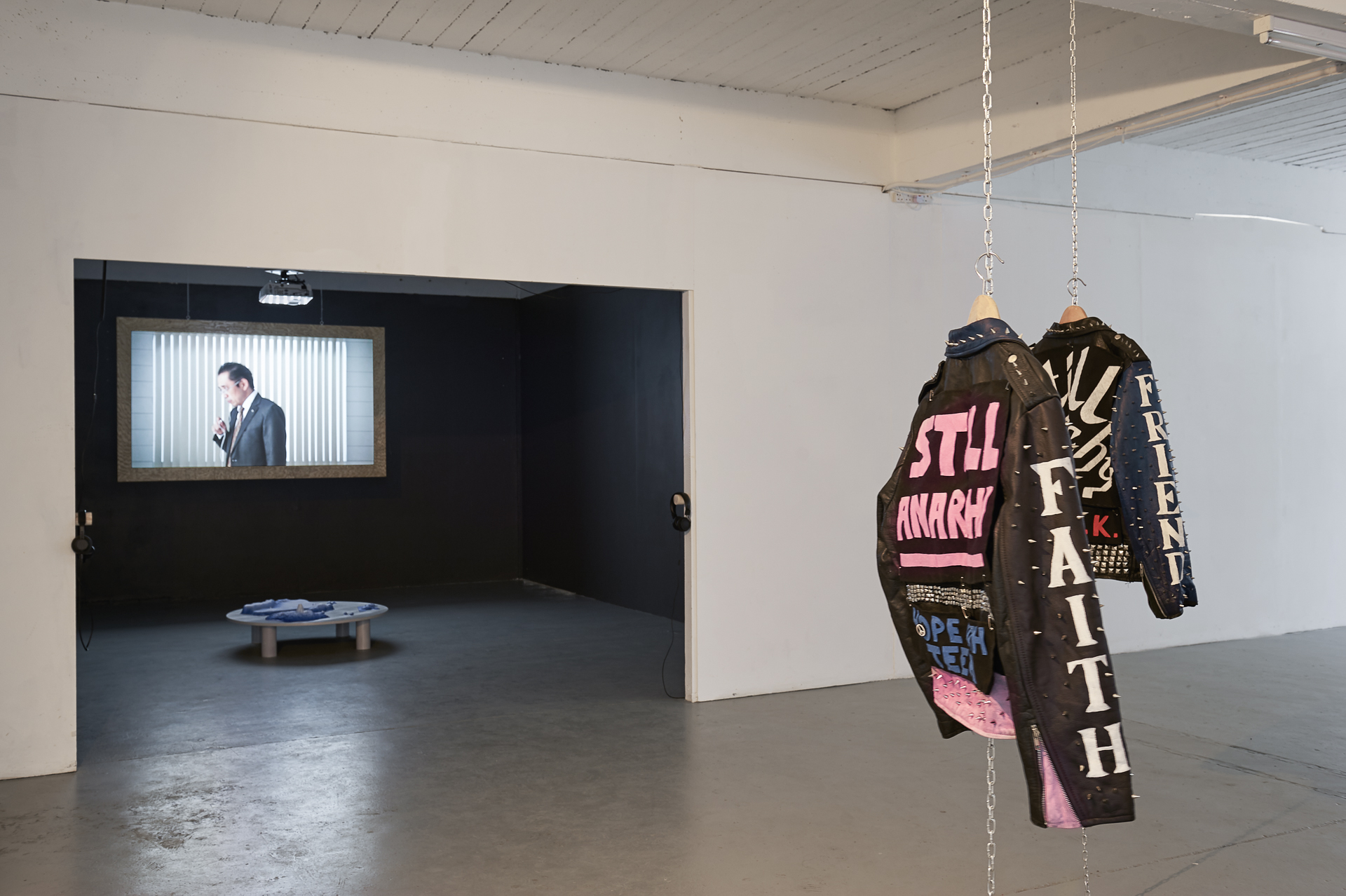
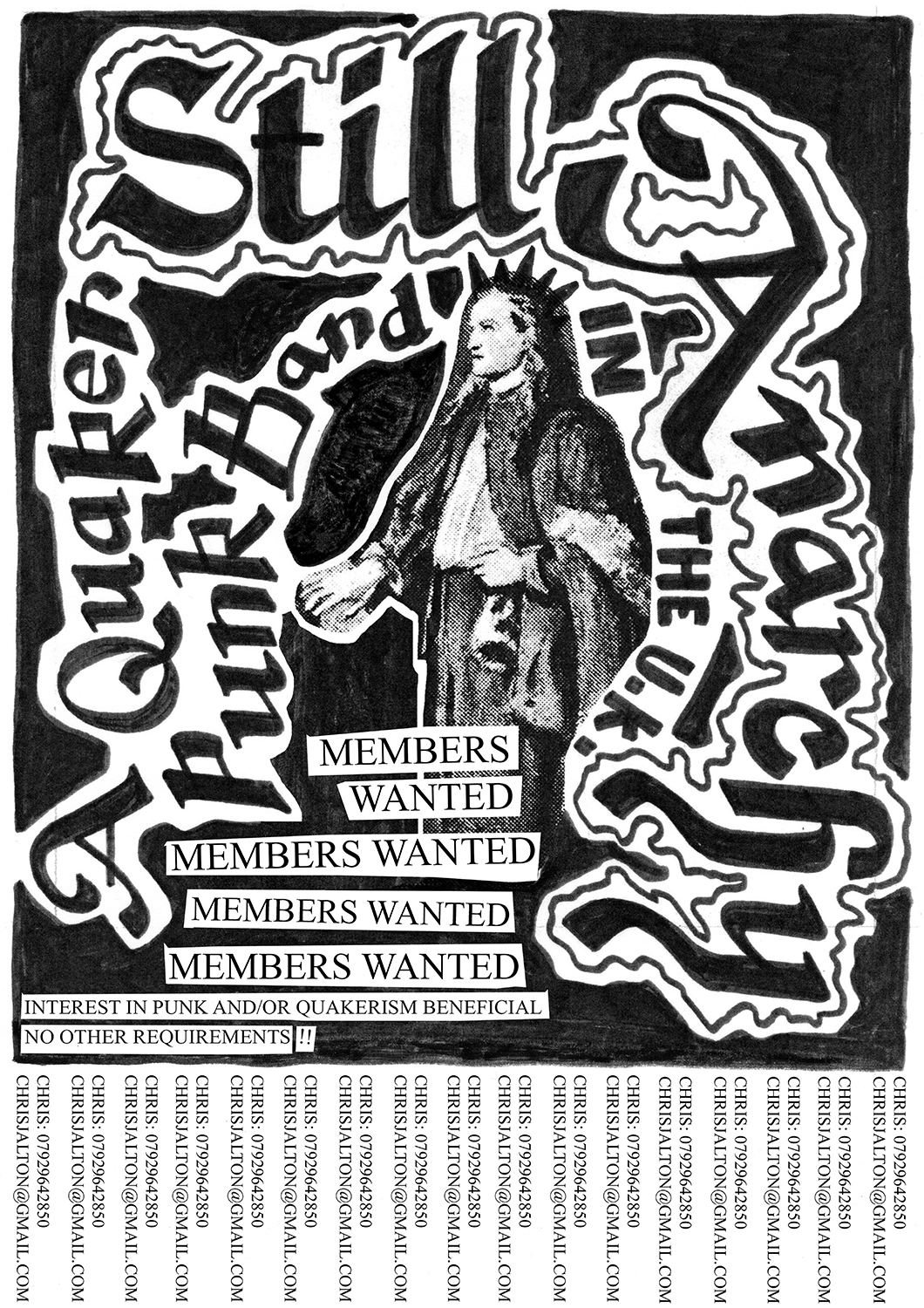
    Three Models for Change is a group exhibition asserting the importance of historical awareness in establishing future potentials of communities. The works in this exhibition fluctuate between three actual and staged narratives: the formation of a fictional Quaker-punk band; the staging of cross-generational Queer histories; the uncertainty surrounding a newly formed volcanic island and its territorial disputes.
    References to utopian moments, groups, and places question current socio-political systems, offering possible new ways of thinking and being. Three Models for Change is an ambiguous statement and this exhibition embodies neither utopian nor pragmatic outcomes, but instead provides a platform of shared histories to stimulate thoughts around alternative futures.

    This exhibition includes existing work and new commissions by artists Chris Alton, Ian Giles and Greta Hauer.

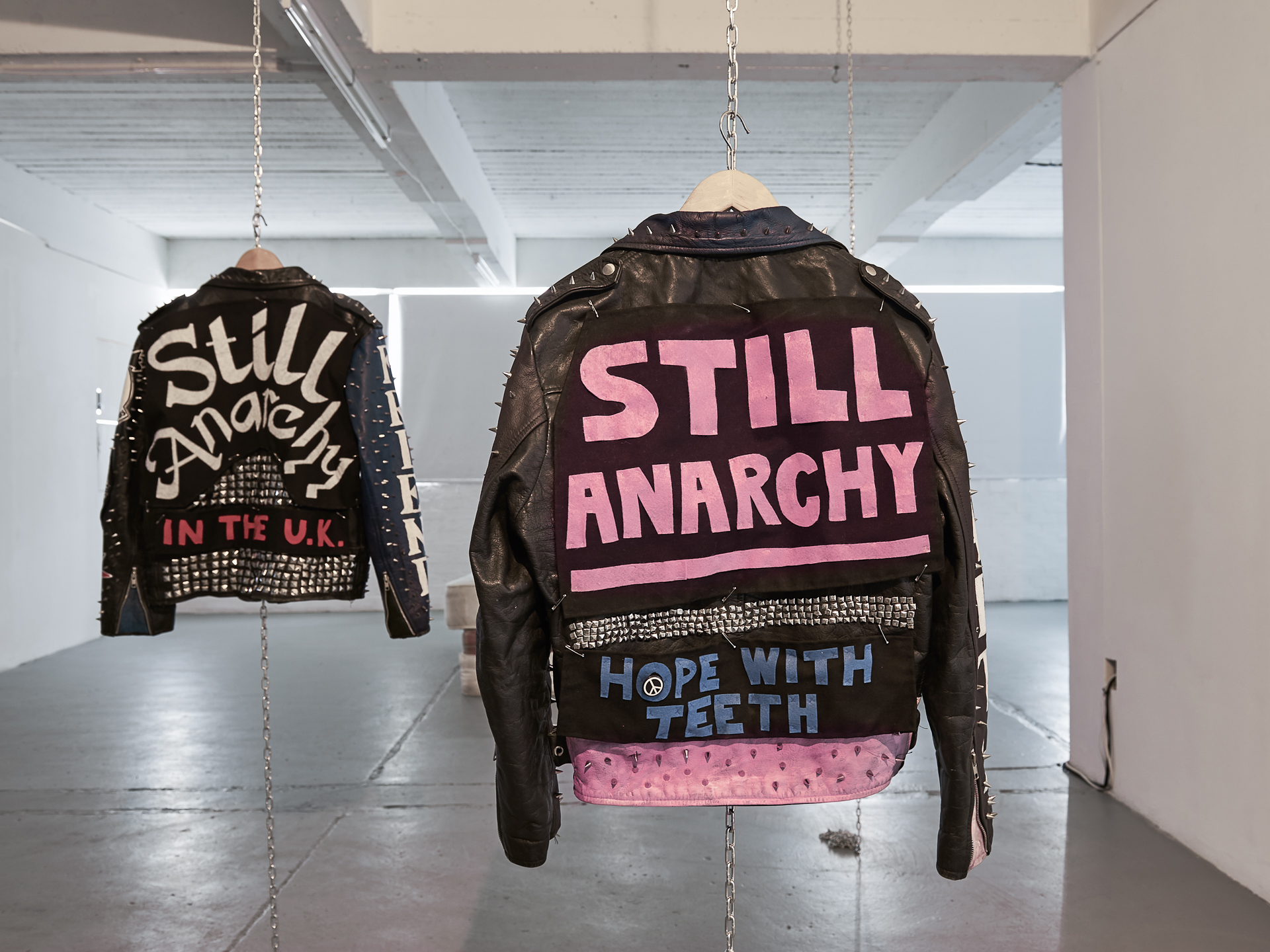
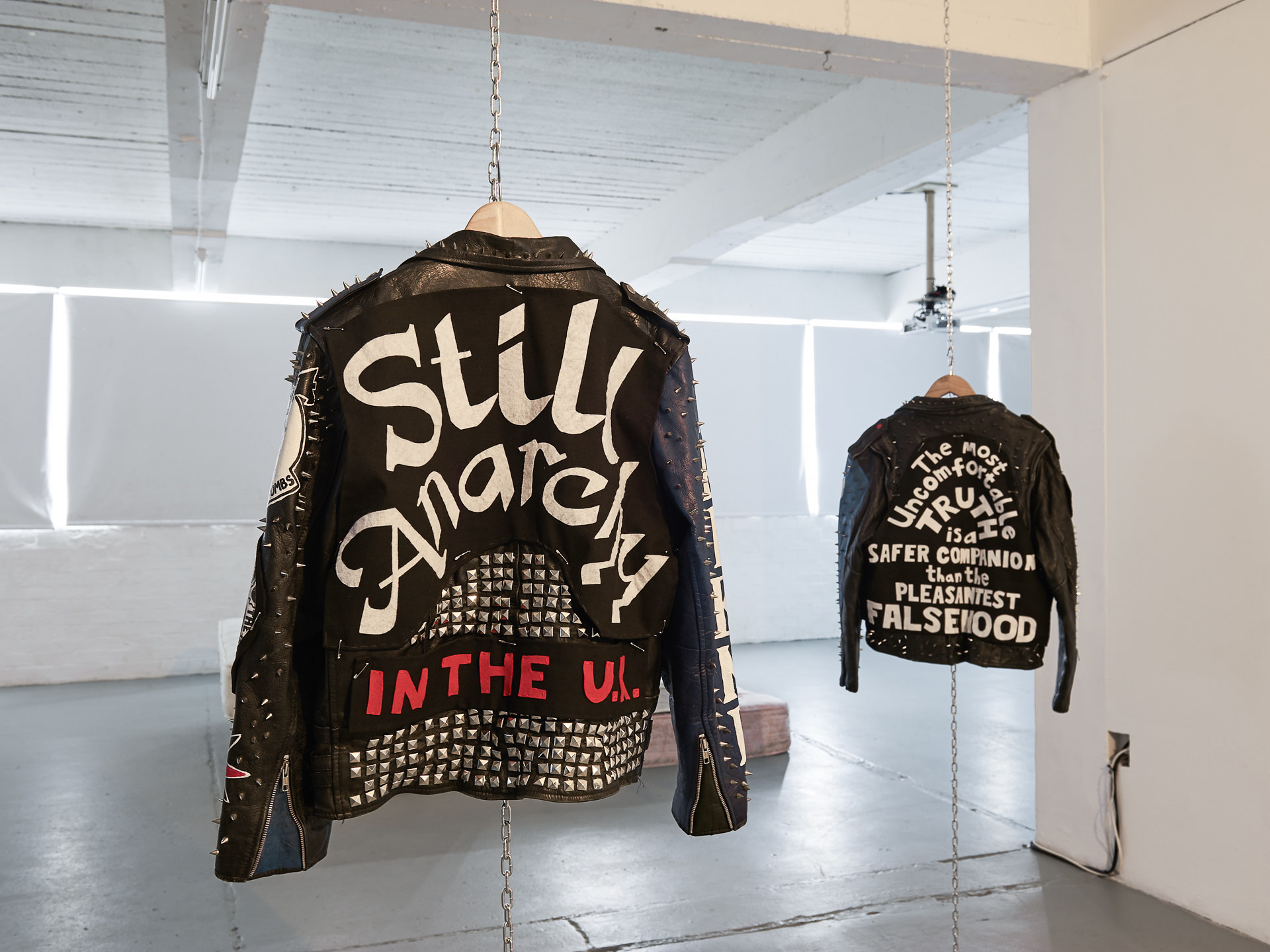
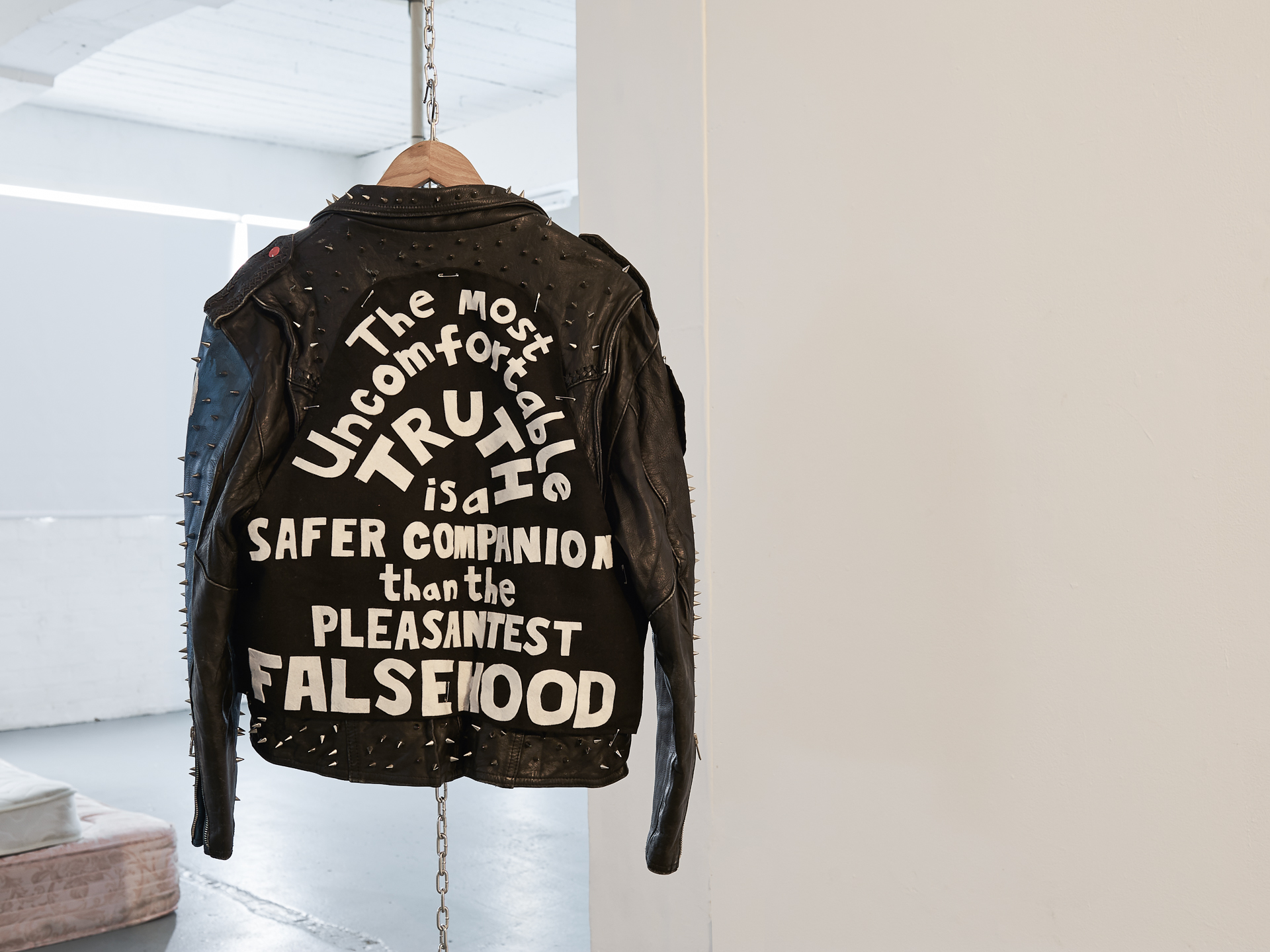
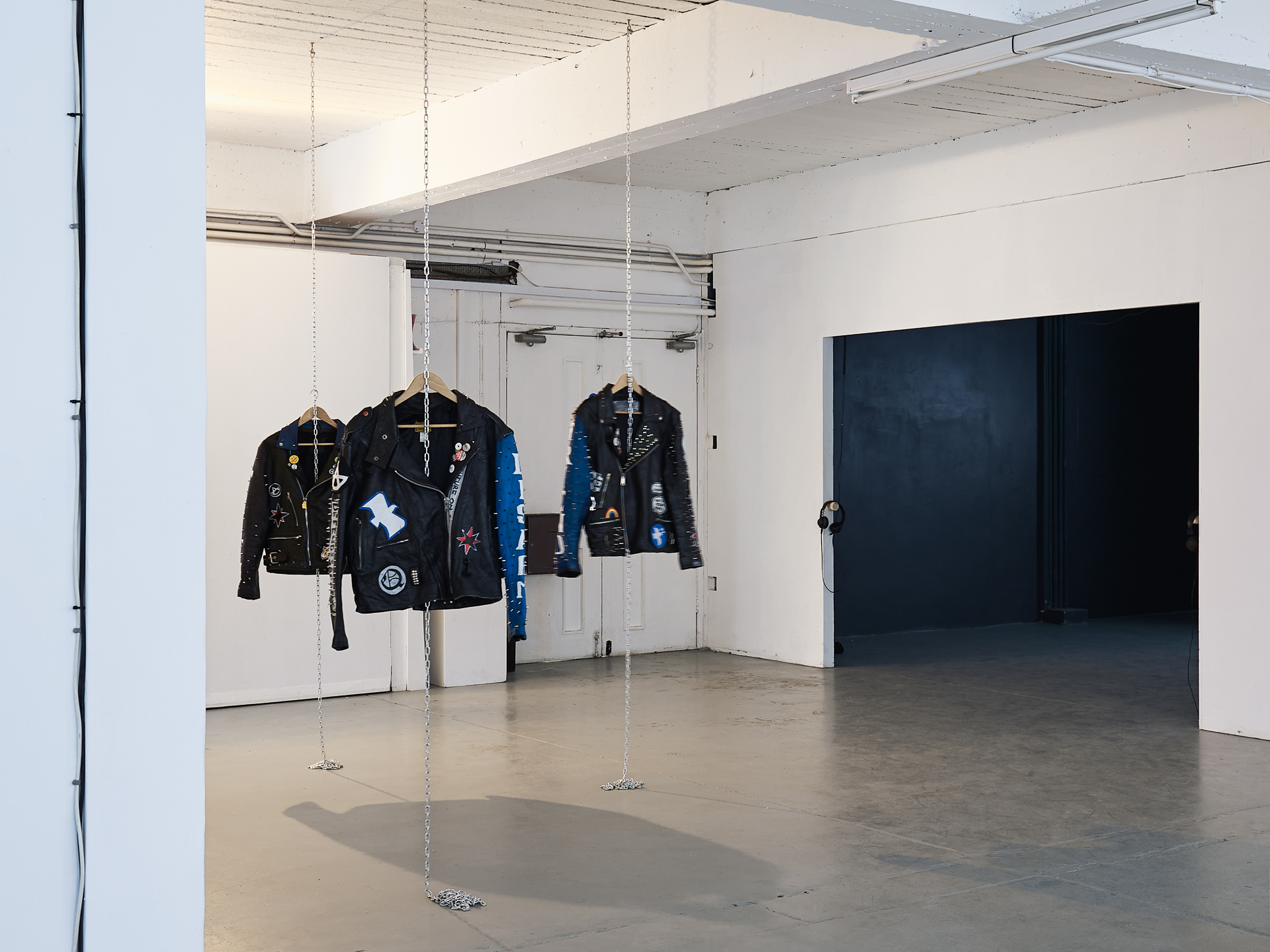
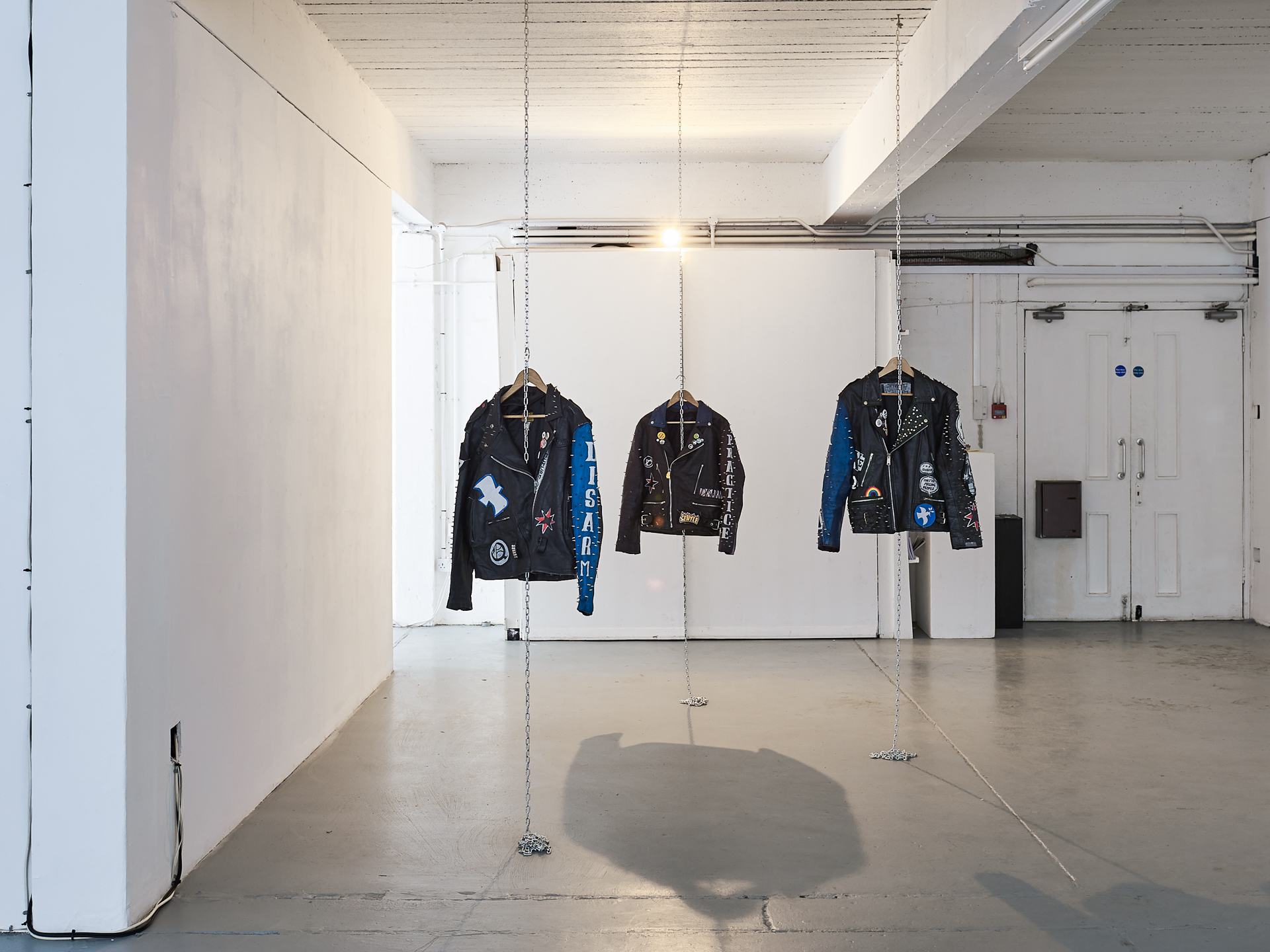
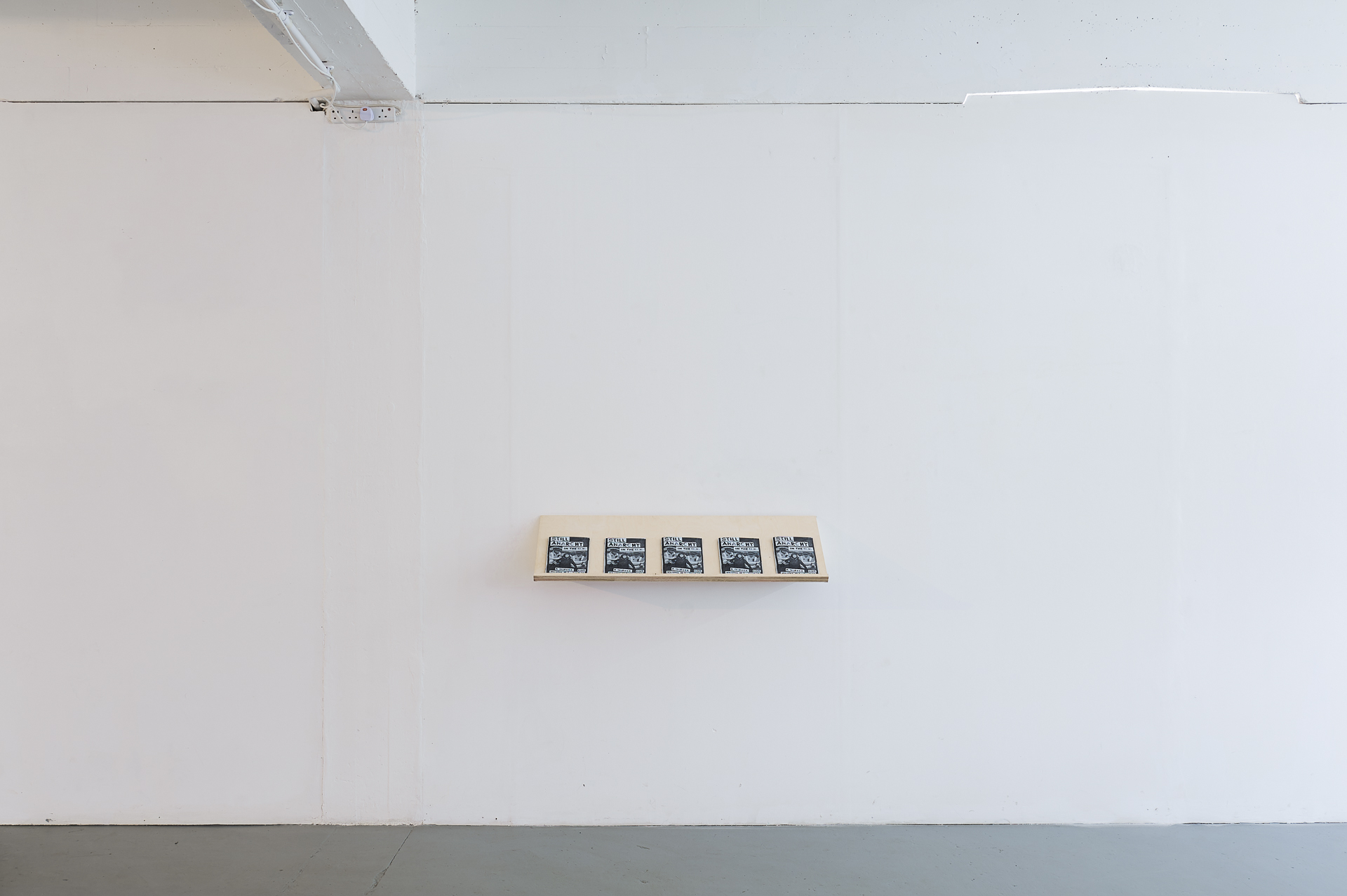
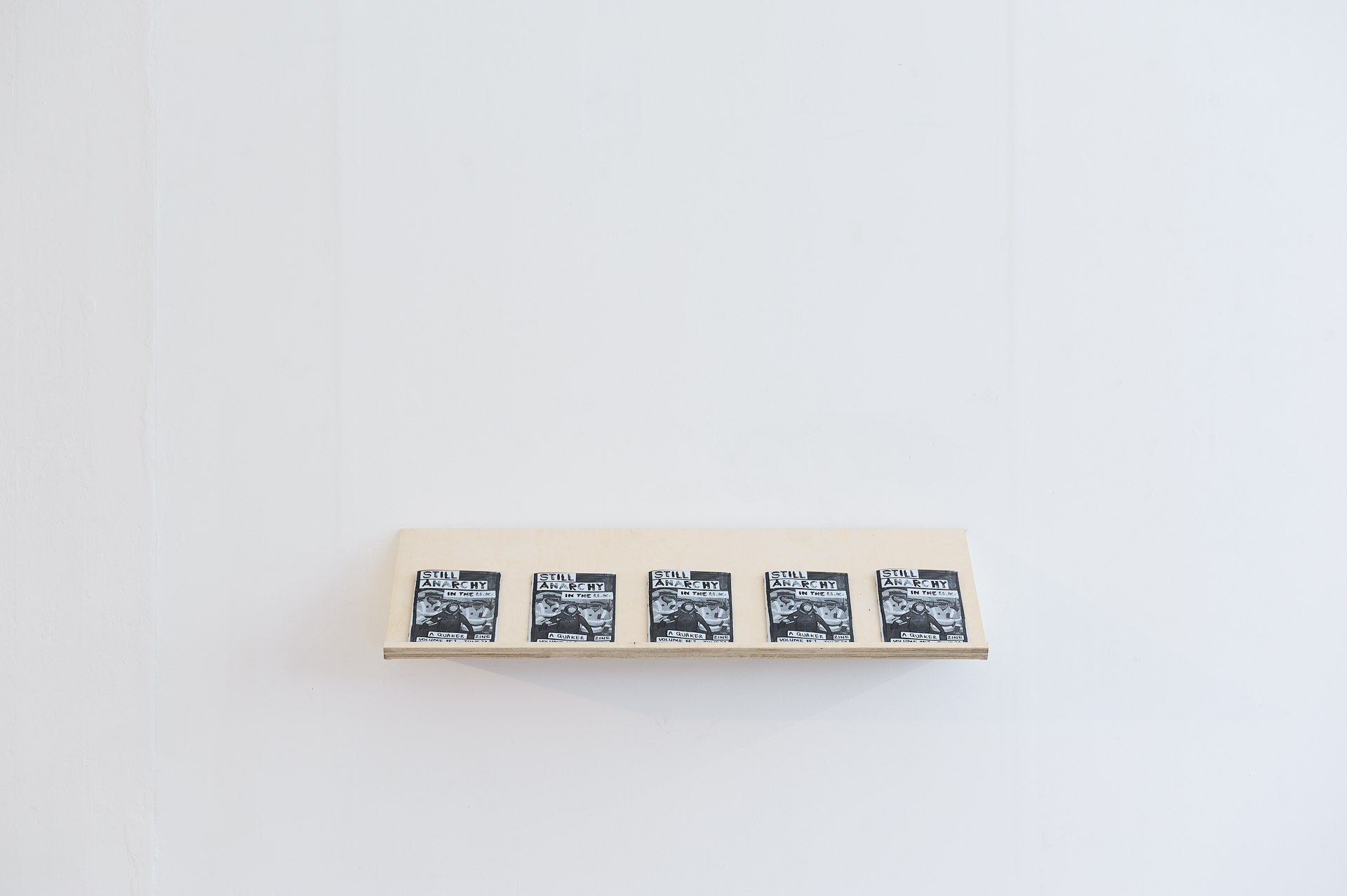
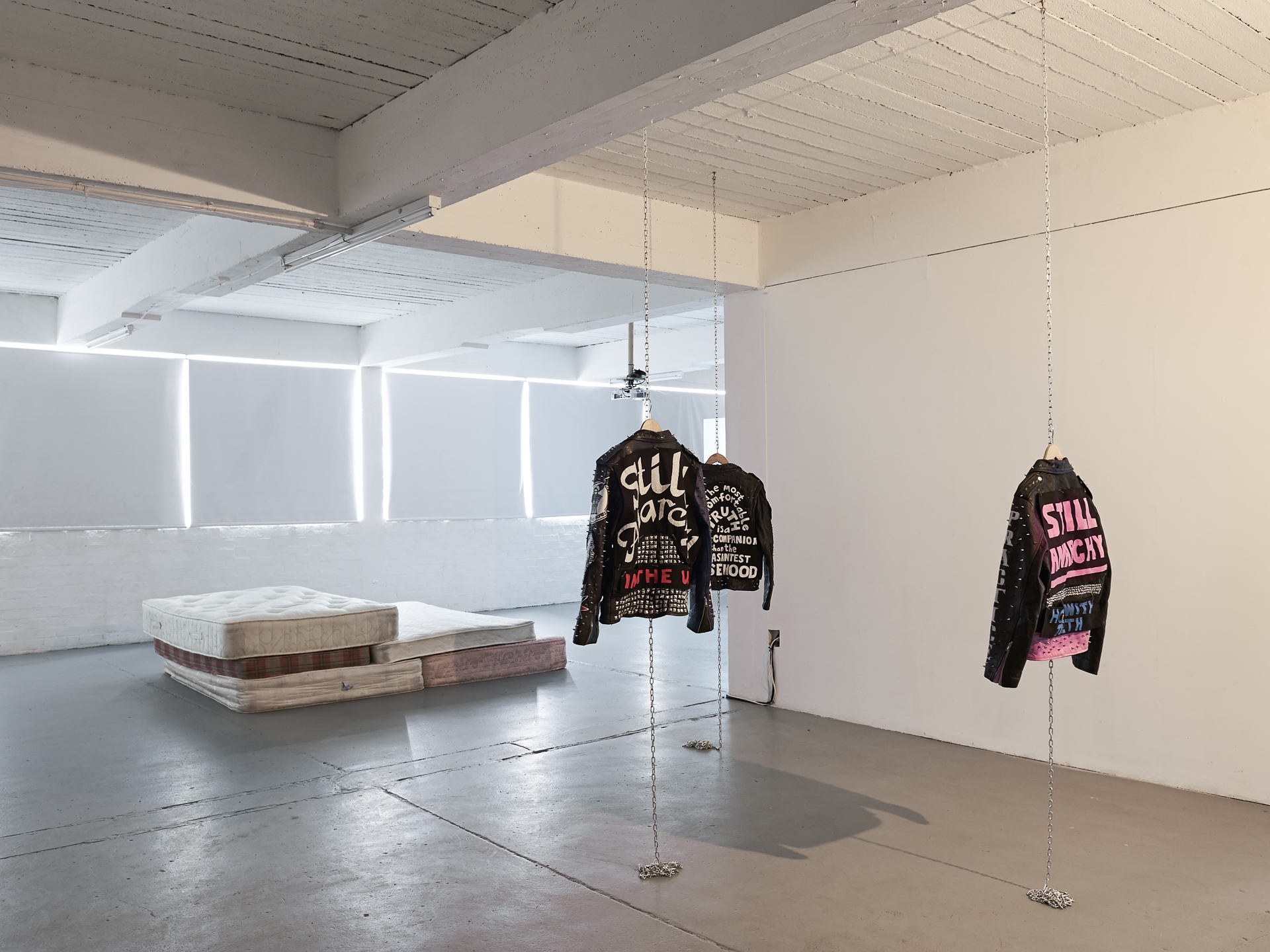
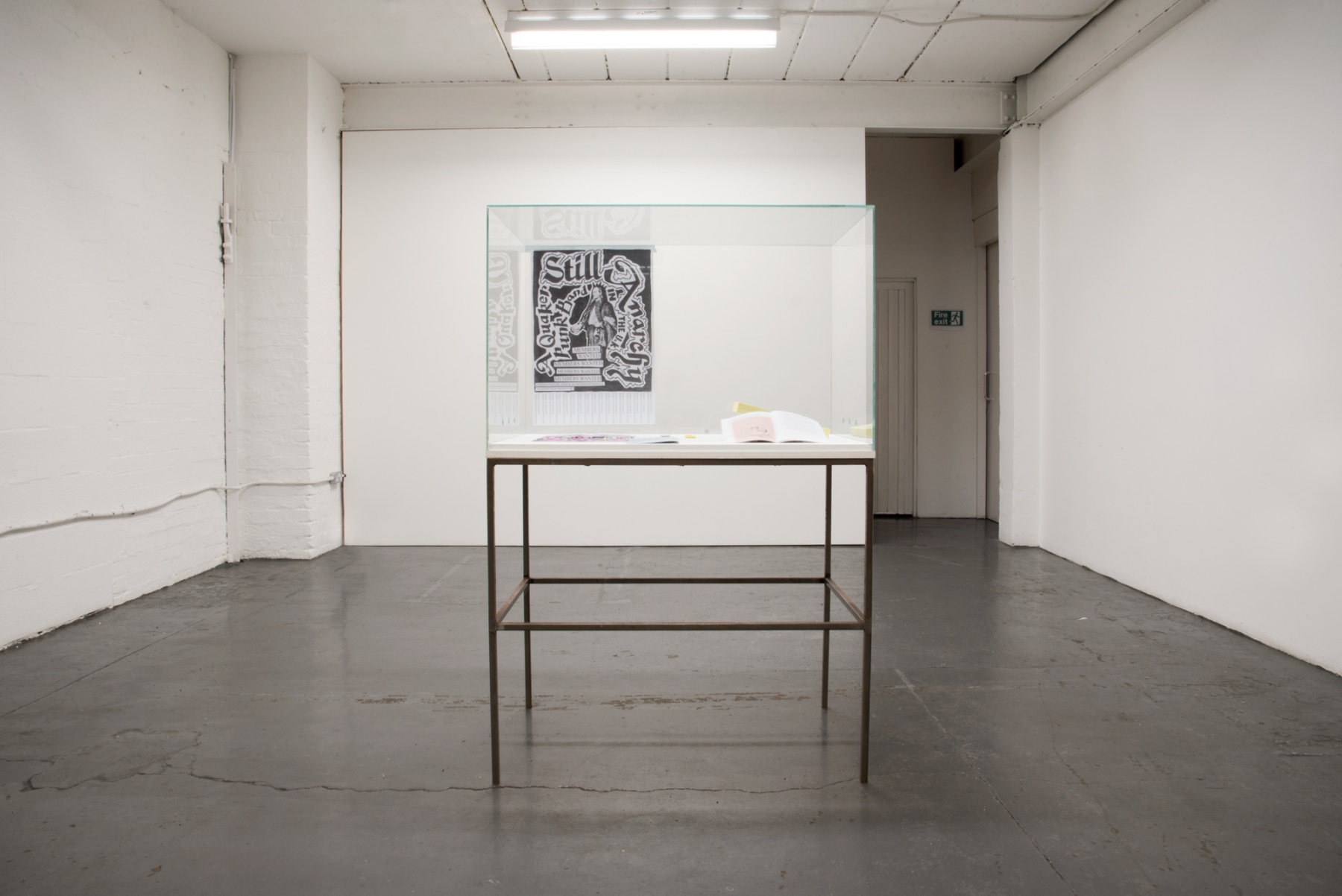
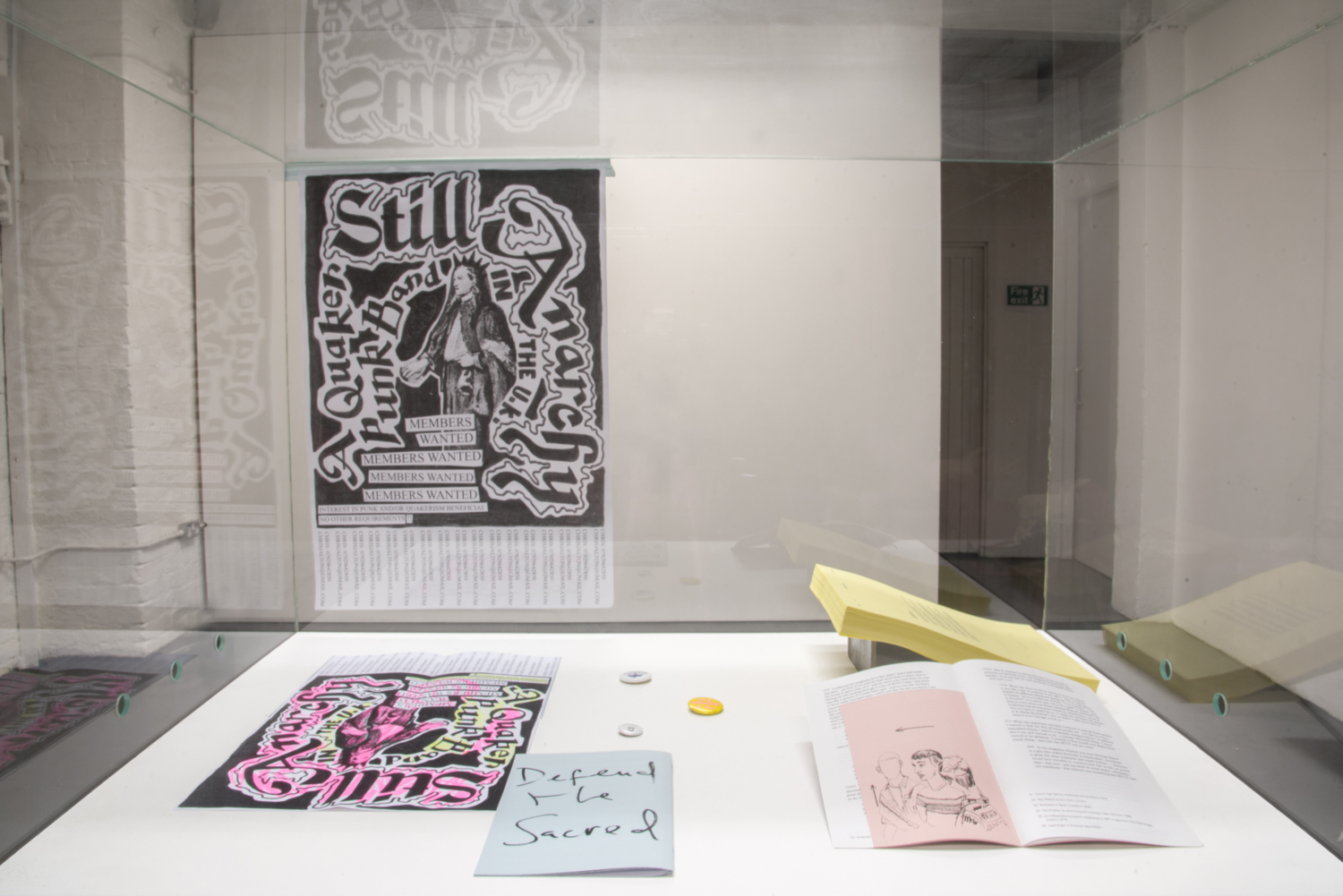
    Chris Alton’s Still Anarchy brings together two seemingly separate groups, Quakers (mid-17th century) and Punks (mid-1970s). What at first appears to be a contradictory juxtaposition, both groups share several key similarities: they originate from periods of socio-political unrest and enact resistant strategies. This commissioned installation stages the potential of a fictional Quaker-punk band imagined by the artist.

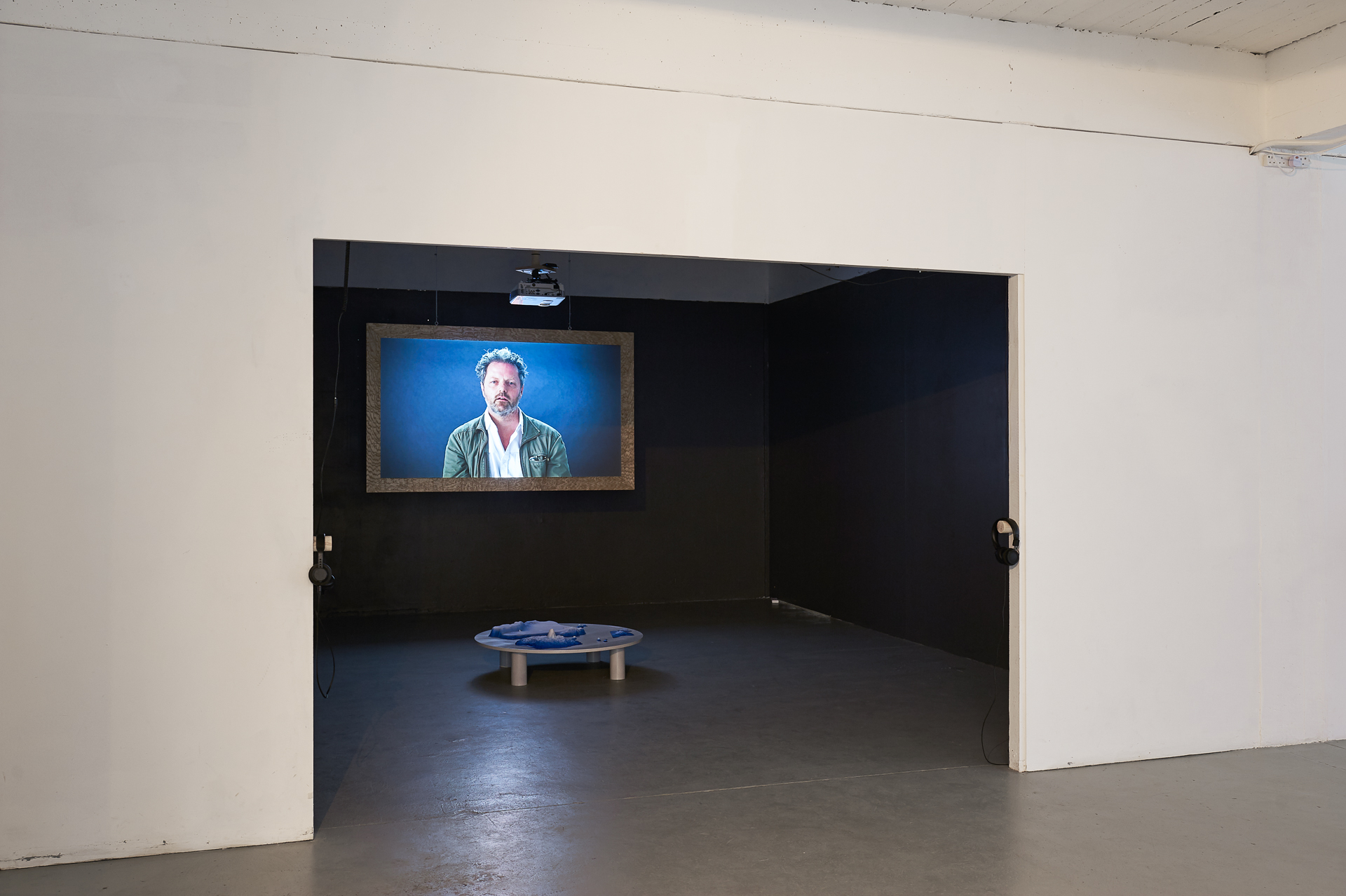
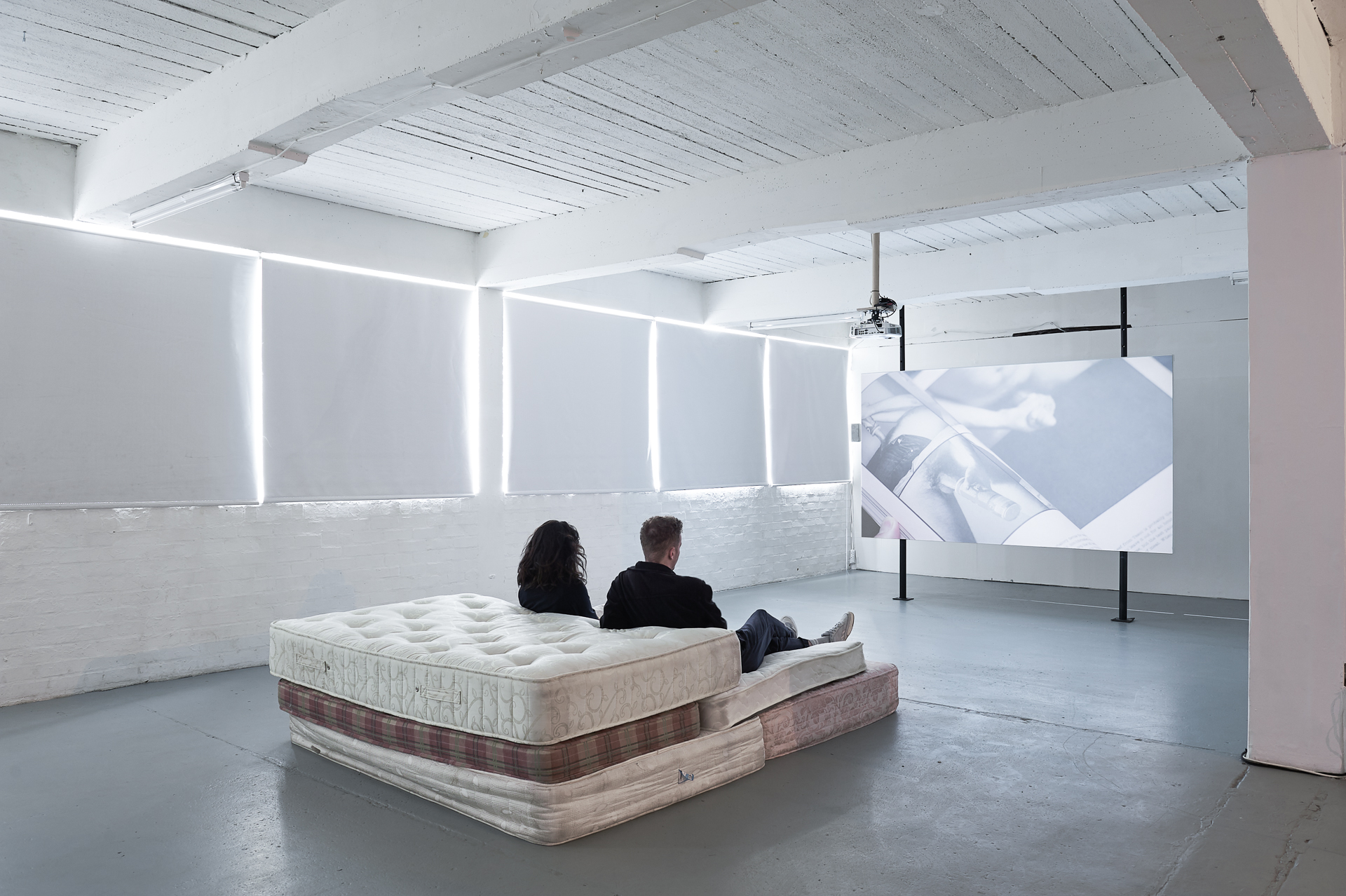
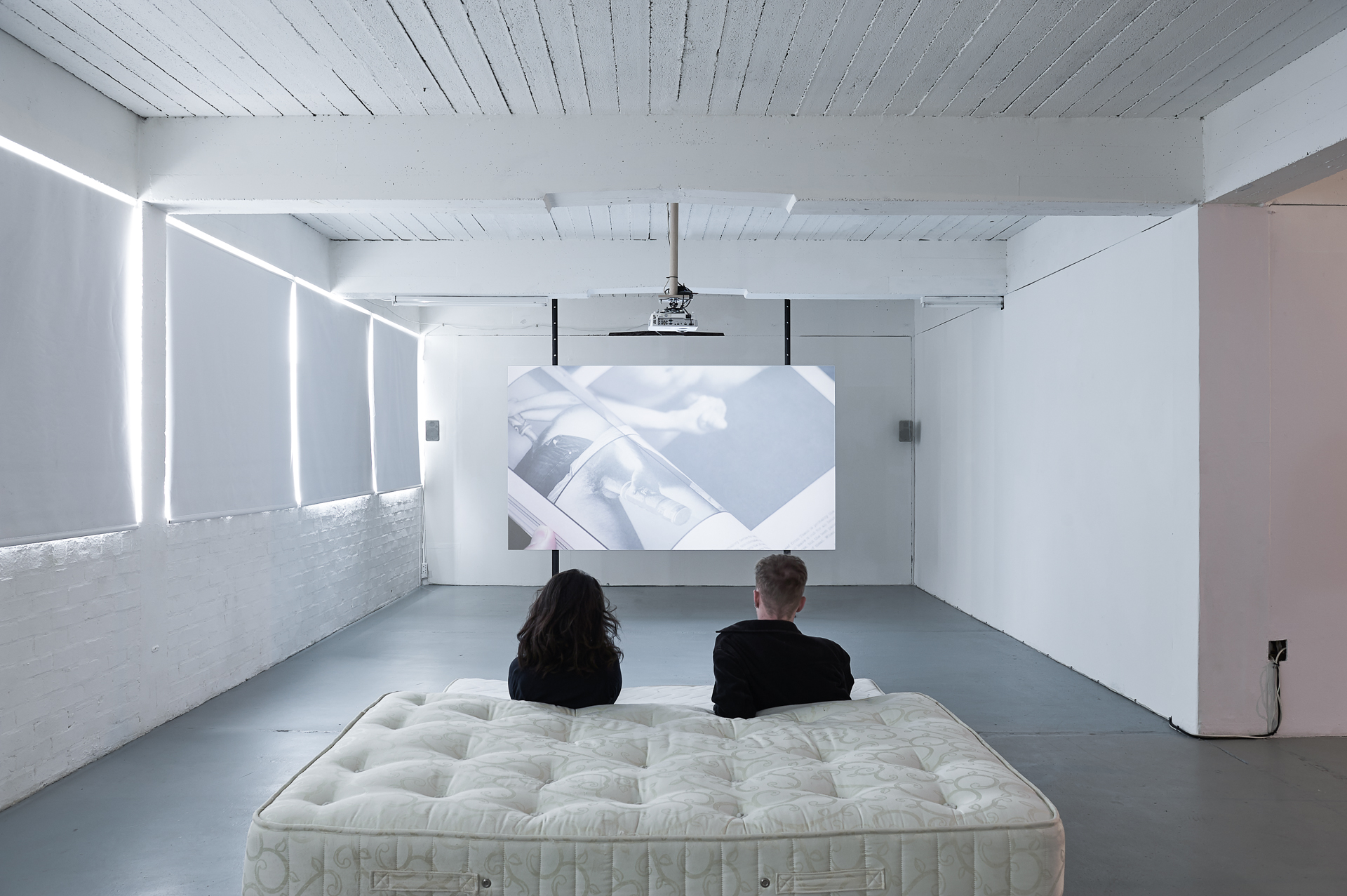
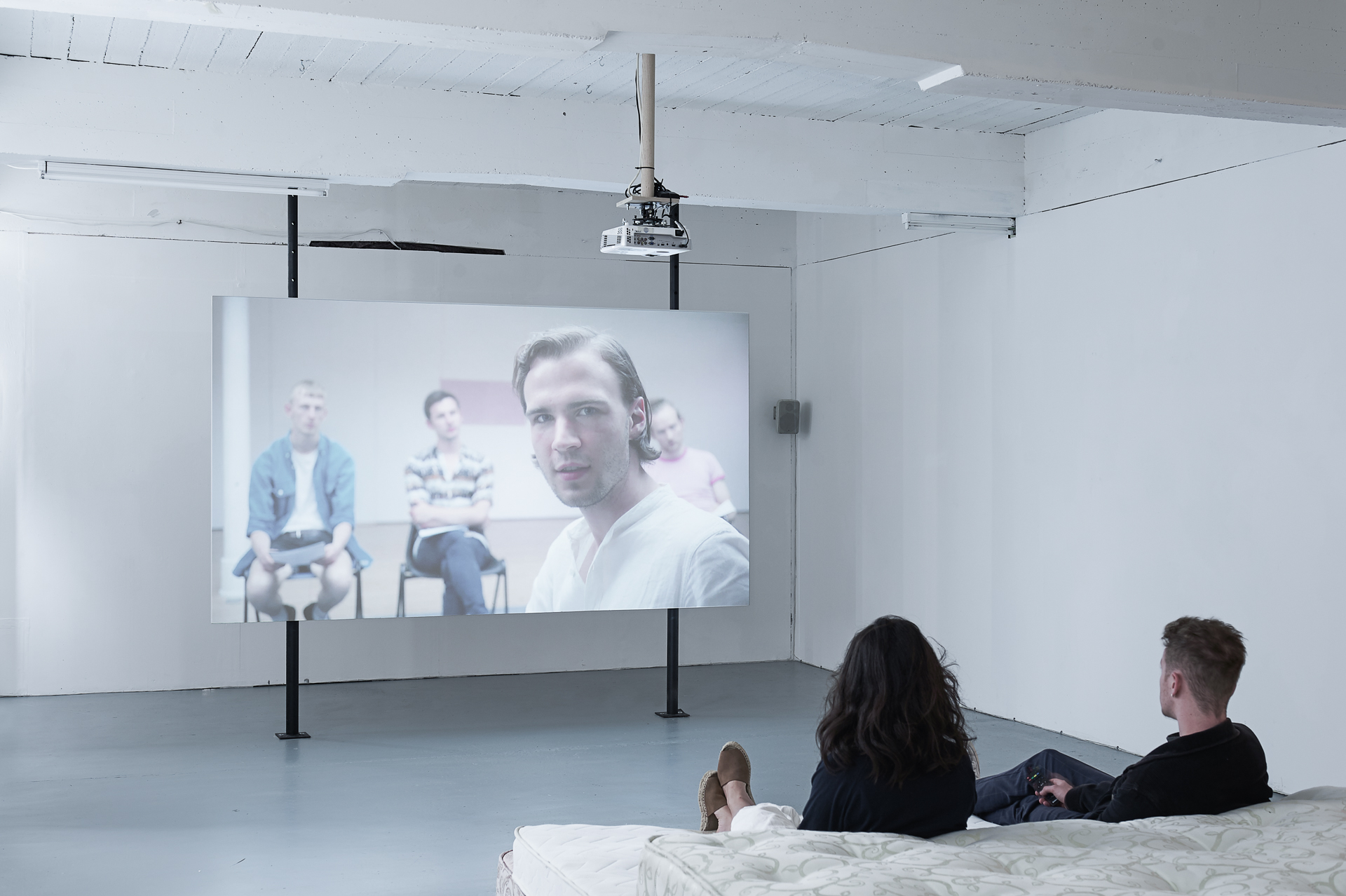
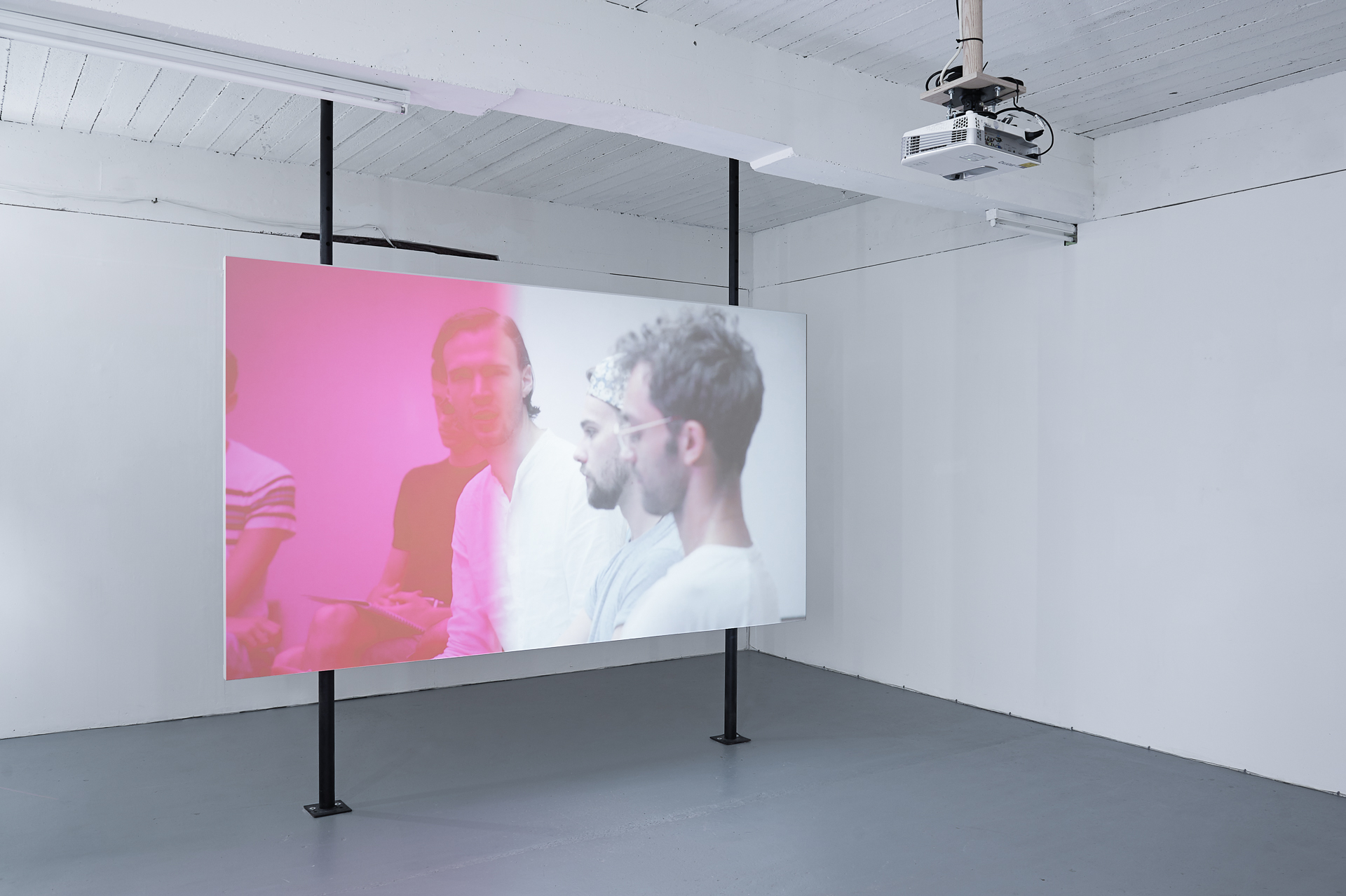
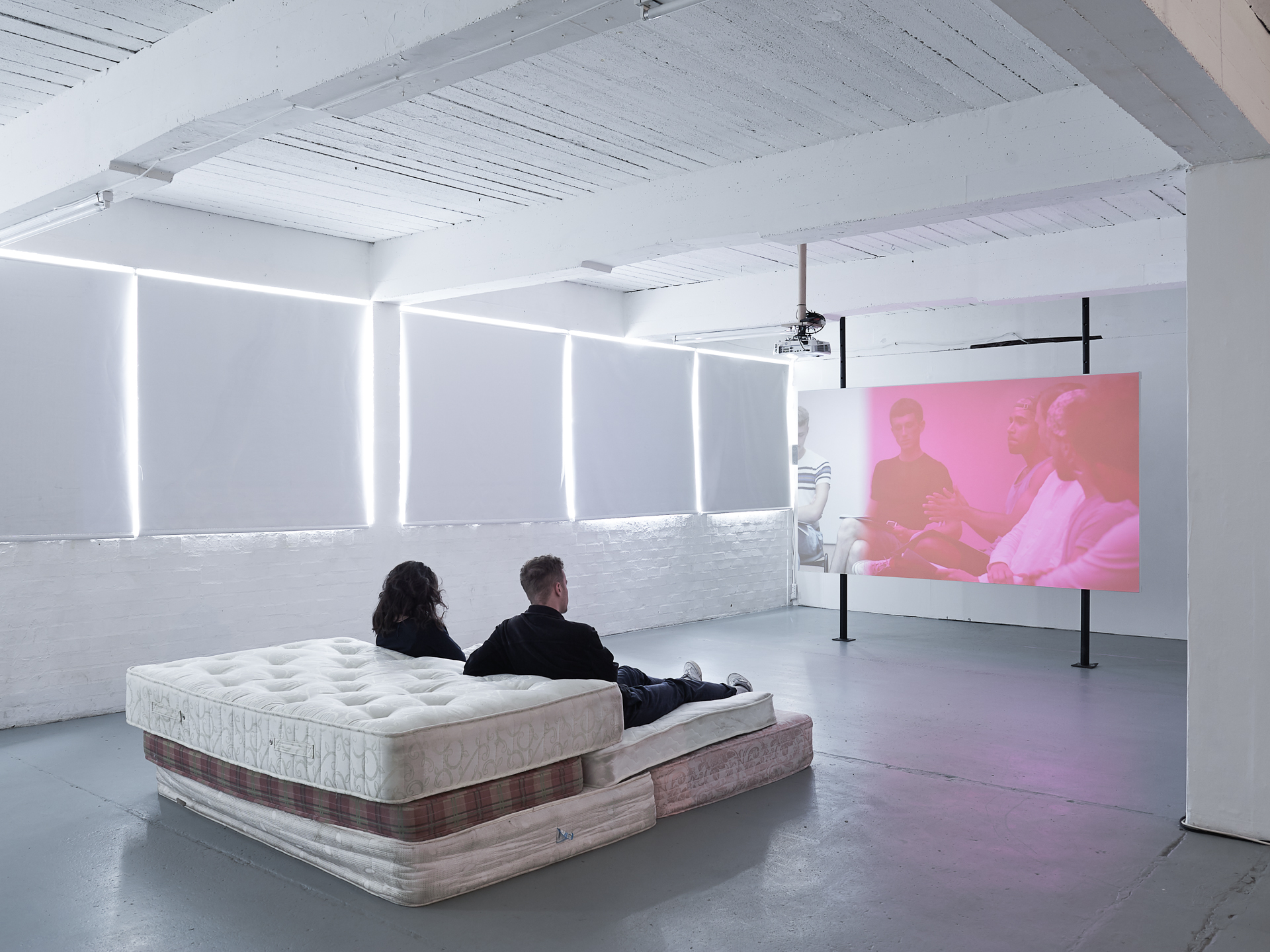
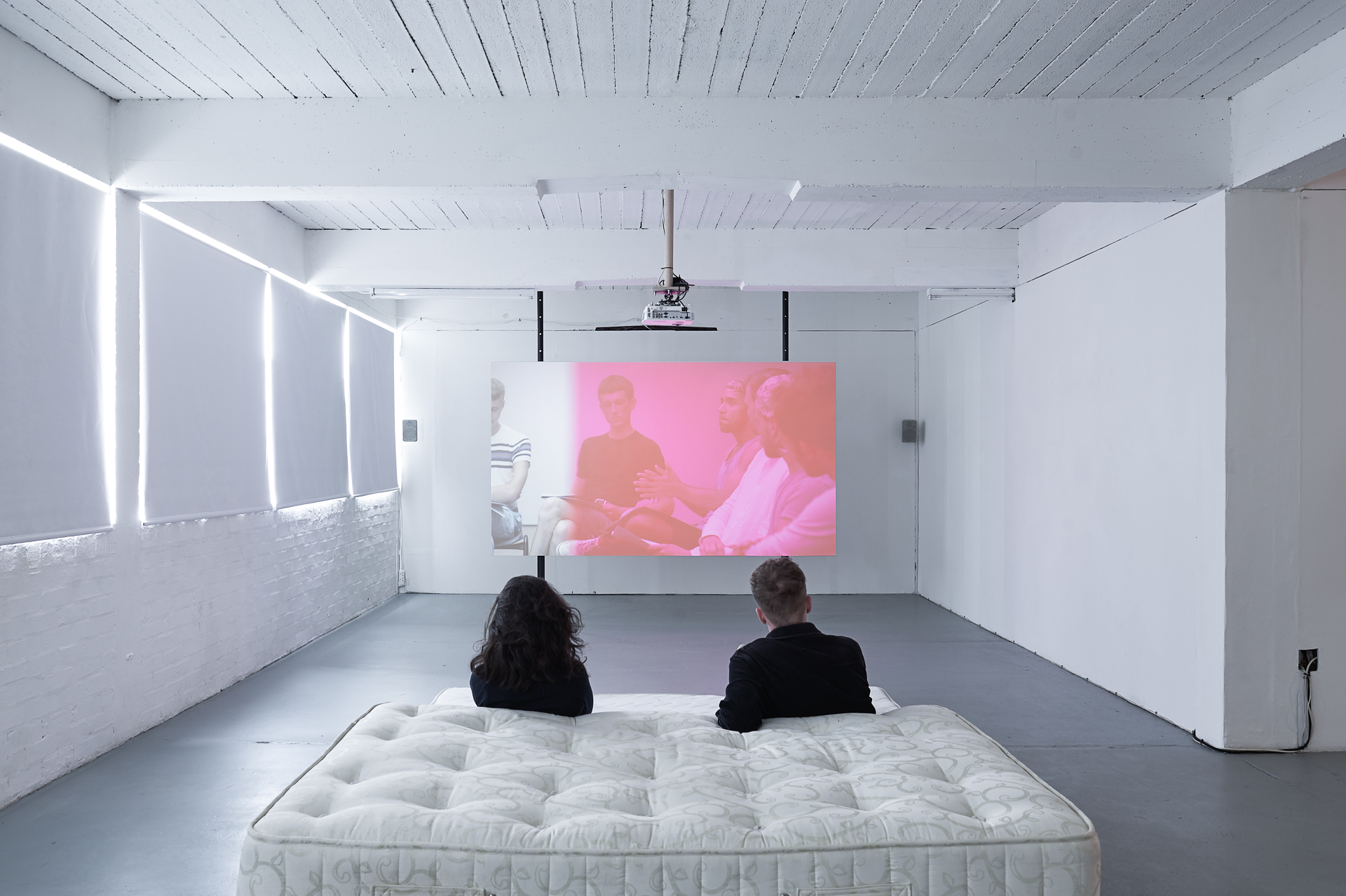
    Ian Giles’ film After BUTT engages discussions on BUTT Magazine (2001-2011), the shared nature of distributed ephemera, and Queer permanence. Recorded, transcribed, re-enacted: the men depicted, each of whom were cast based on their resonance with the text, perform Giles’ conversations with the magazine’s founders. Presented in an exhibition of speculative change, it encompasses the importance of intergenerational awareness within communities and how this can influence a movement towards Queerer futures.

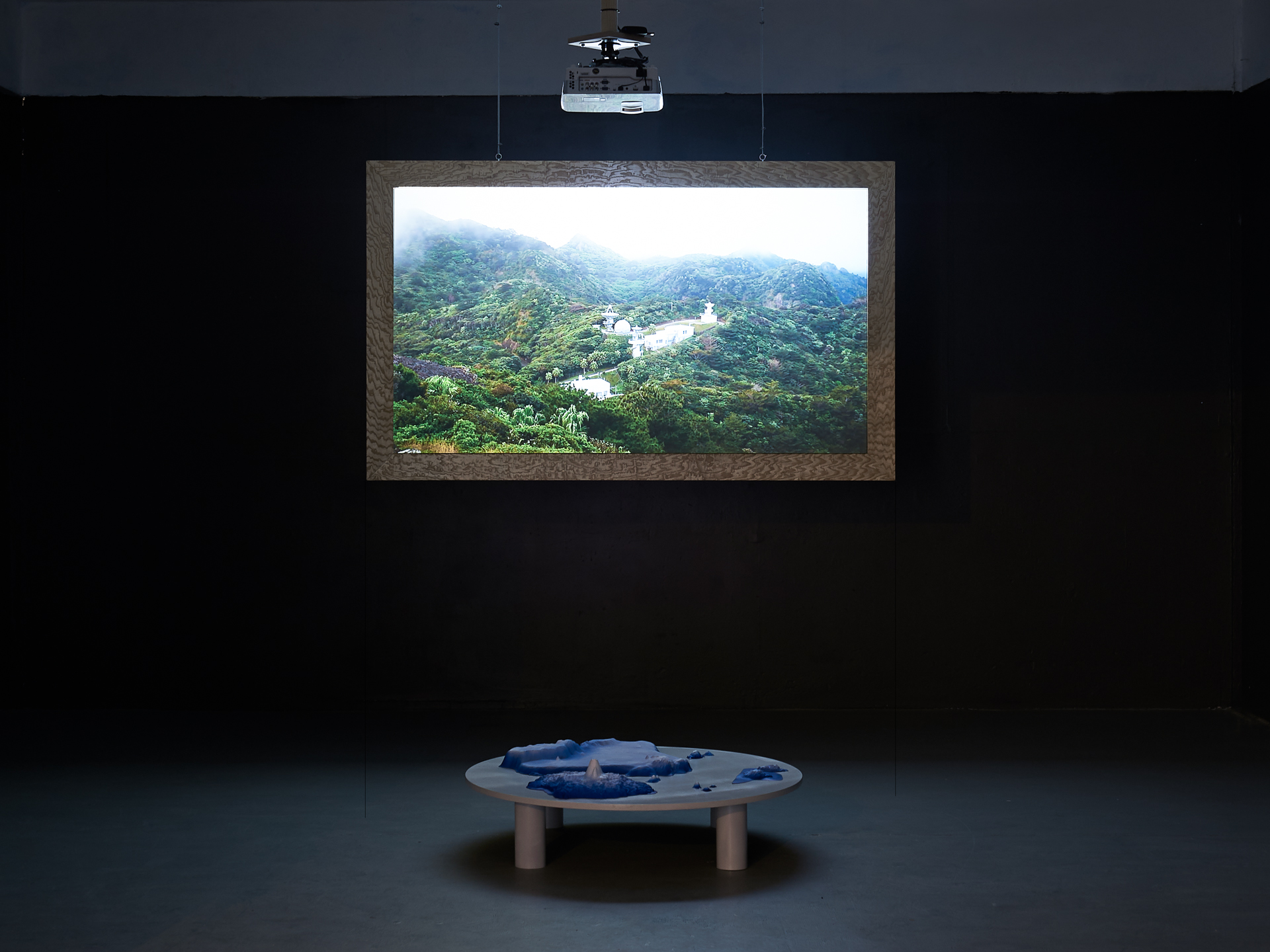
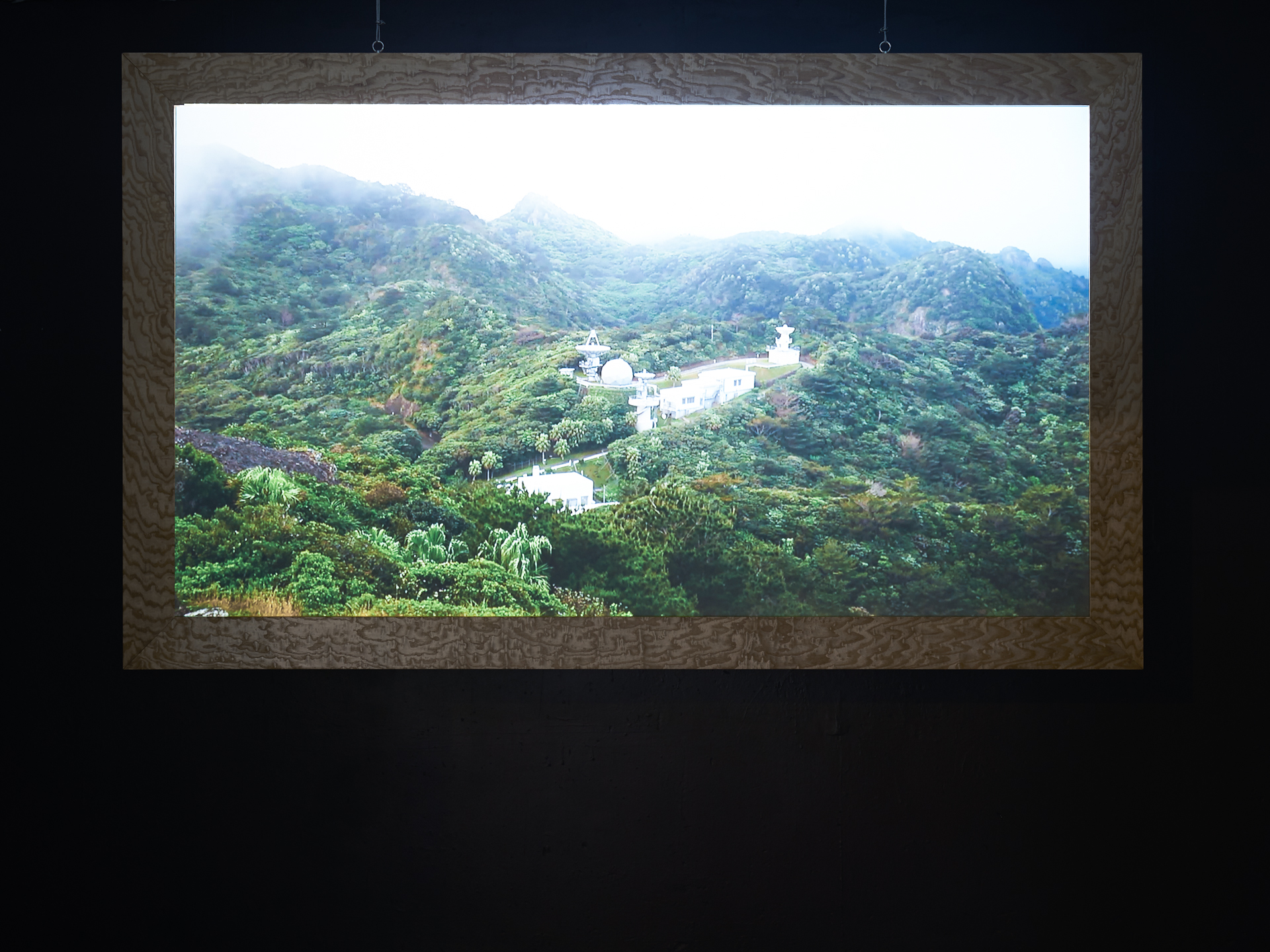
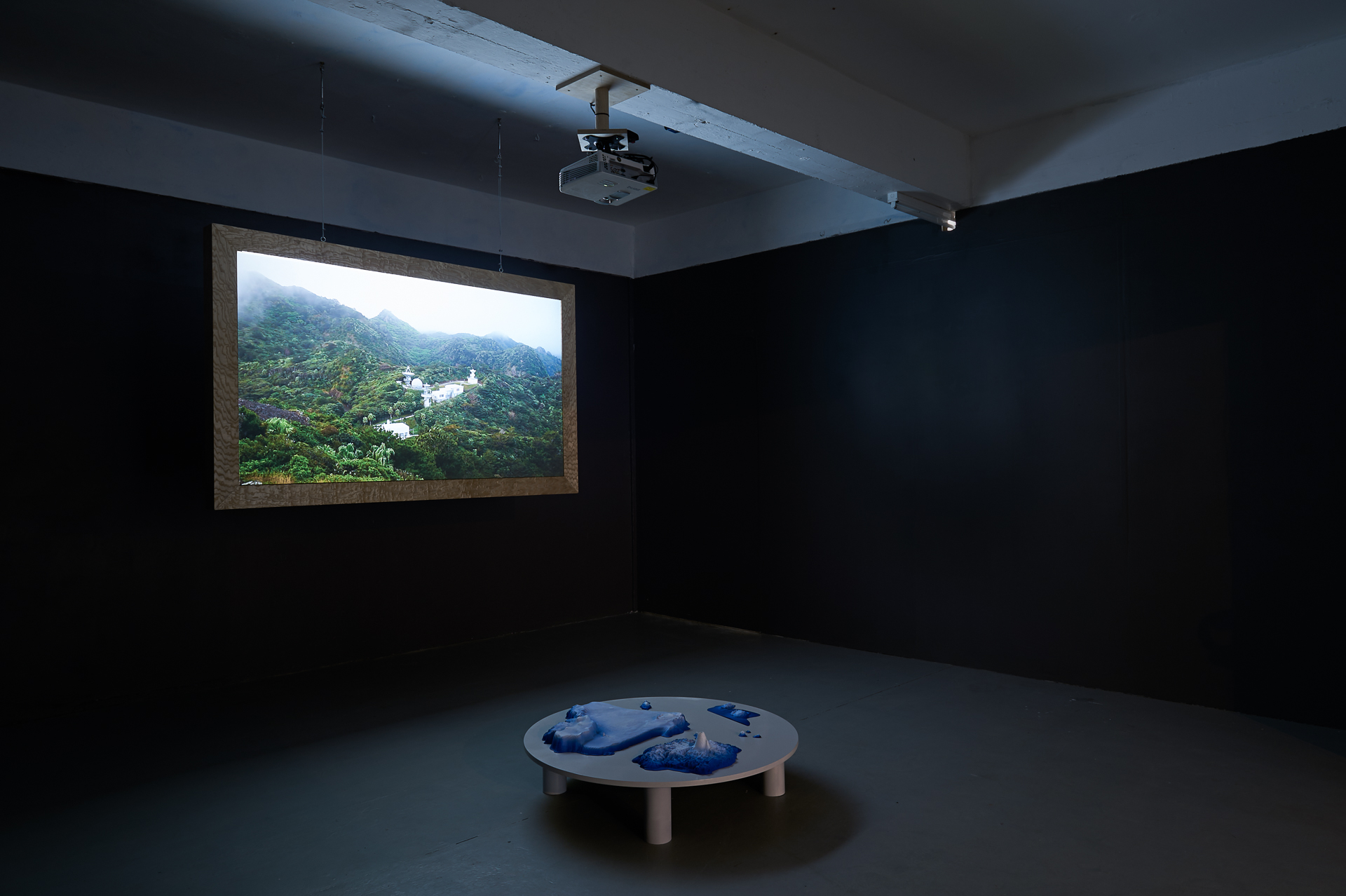
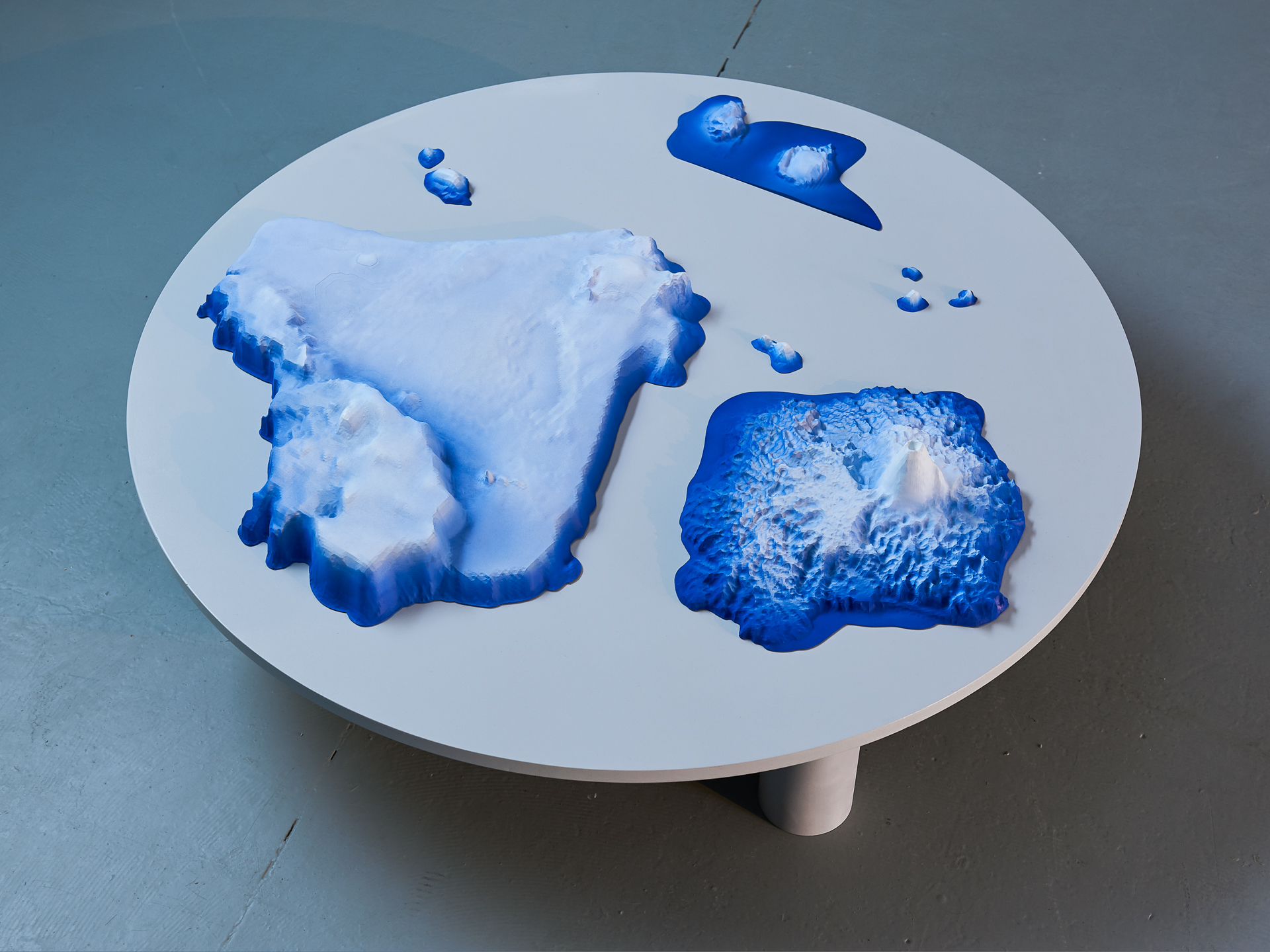
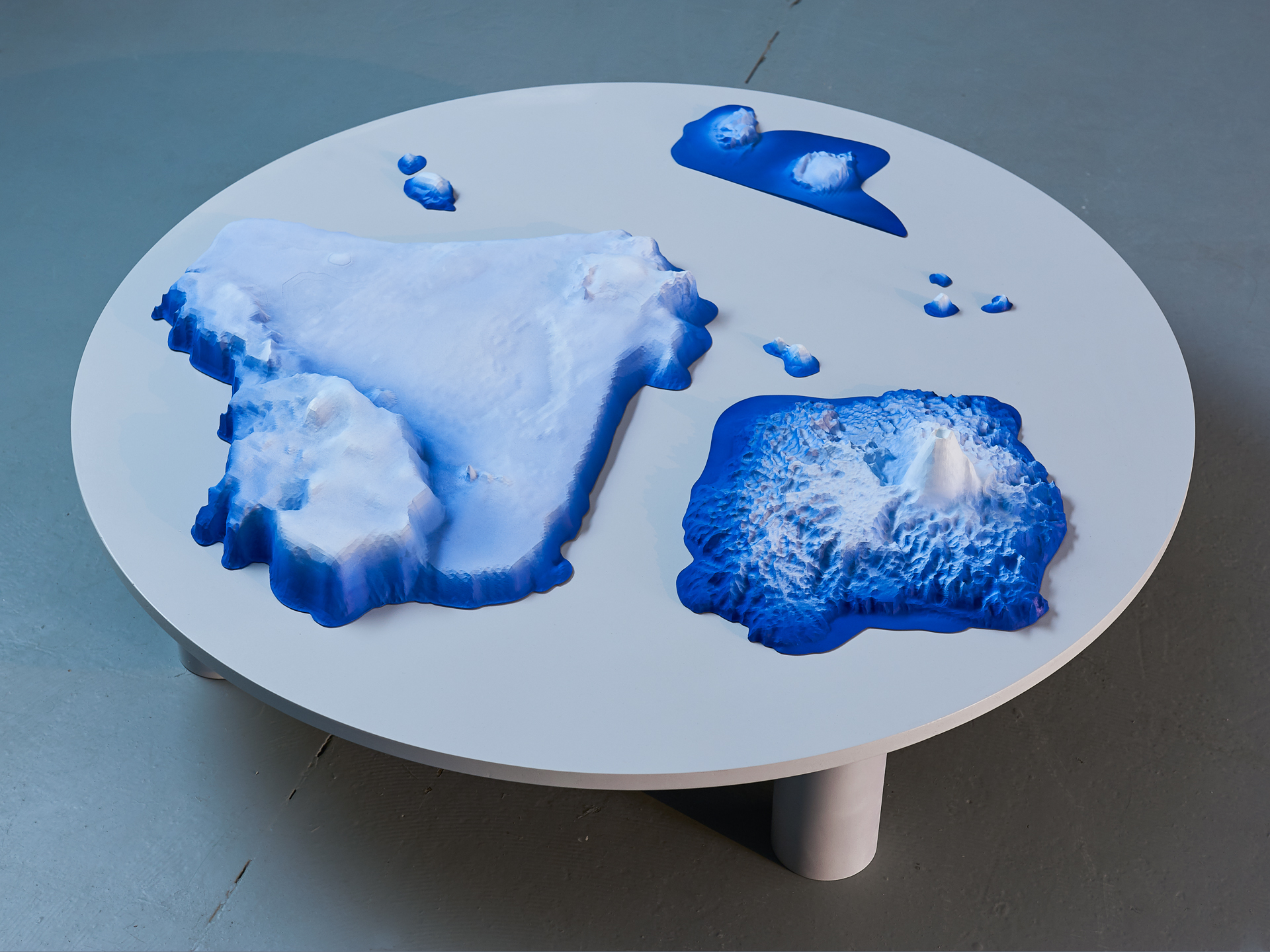
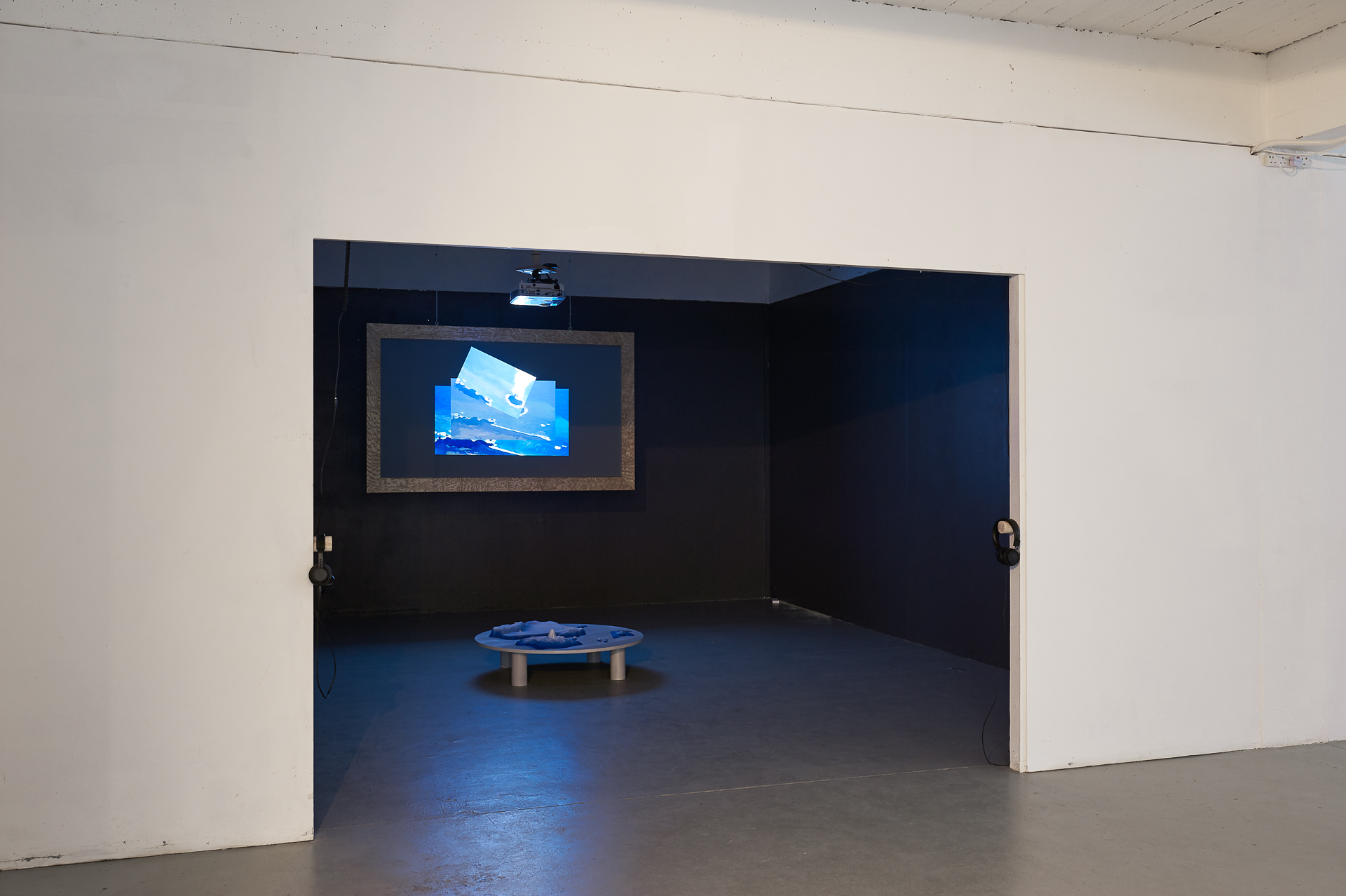
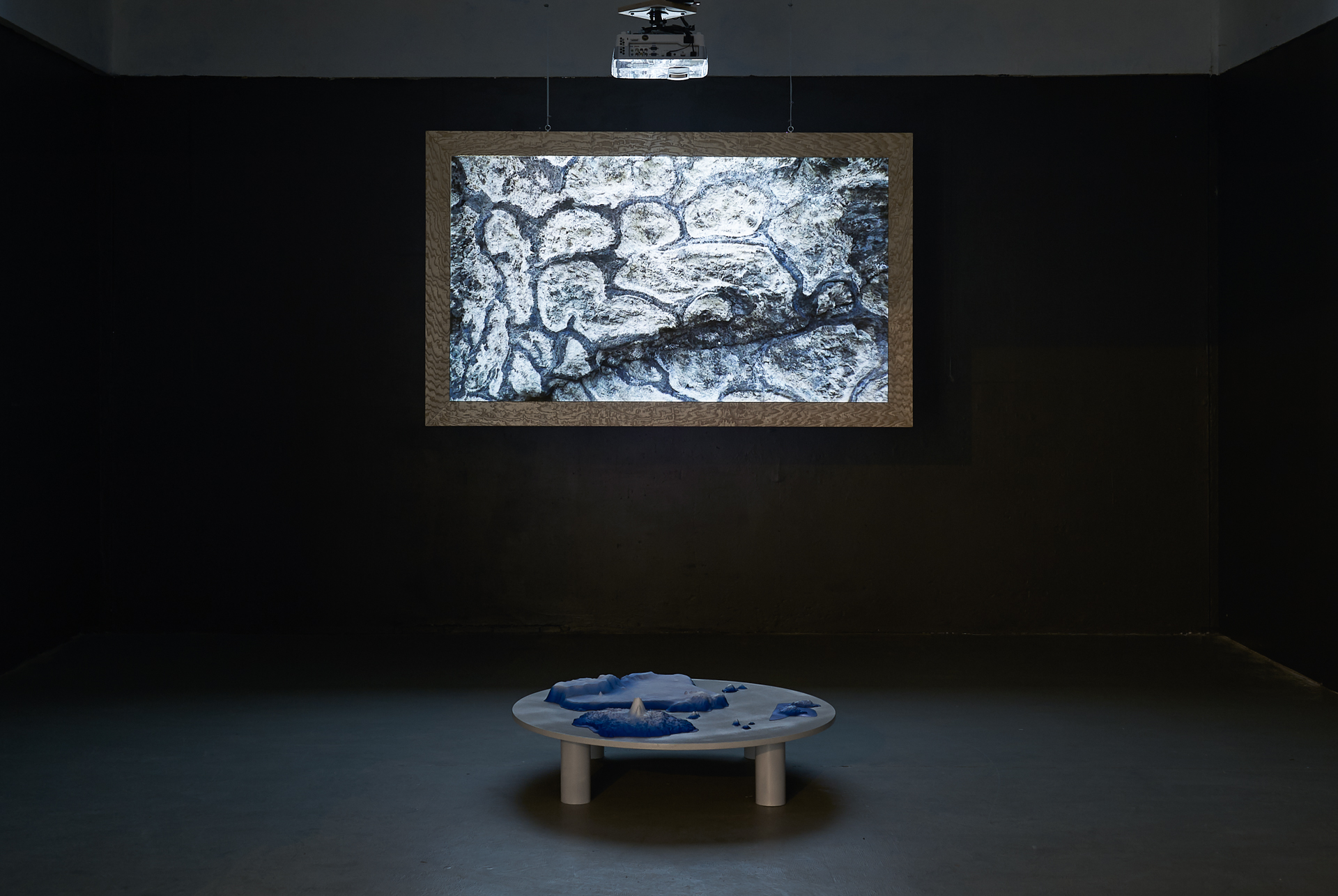
    Greta Hauer’s Vigorous Activities explores the potentials of Nishinoshima, a newly formed island comprised of volcanic mass (November 2013), 1000km off the coast of Japan. Due to its distance from mainland Japan, Nishinoshima has expanded the Japanese Economic Zone, and is continuing to do so, heightening the existing conflict within the South China Sea. A topographical model, set of fictional writings and commissioned video work re-enact the rise of the island and its disruption of the seemingly utopian model.

    Chris Alton is currently participating in Syllabus III and previously studied at Middlesex University. Recent commissions include; The Billboard, Spit & Sawdust, Cardiff (2018); and Adam Speaks, The National Trust, Croome, Worcestershire (2017). Recent exhibitions include; more of an avalanche, Wysing Arts Centre, Cambridge, 2018; You’re Surrounded by Me, Turf Projects, Croydon, 2017; Of the Sea, The Historic Dockyard, Chatham (2016); Under the Shade I Flourish, xero, kline & coma, London (2016); Outdancing Formations, Edith-Russ-Haus, Oldenburg (2015). He was recently selected to participate in Bloomberg New Contemporaries (2018) and has been awarded the Edith-Russ-Haus Award for Emerging Media Artists of the Sparda Bank 2015; Lewisham Arthouse Graduate Studio Award 2015; and Collyer Bristow Graduate Award 2014.

    Ian Giles previously studied his MFA at the Slade School of Fine Art and was a LUX associate Artist 2012/13. Recent exhibitions, screenings and performances include;After BUTT, Chelsea Space, London (2018);  Multiplexing II, Cineworld Cinema, Glasgow with LUX Scotland (2017); AsToAsIsTo,a collaboration with the Youth Forum, Whitechapel Gallery, London (2016); Connected Works, Harvard University, Cambridge, USA (2016); m-Health, Cell Project Space, London (2015); Videoclub: Selected IV, UK national tour including Nottingham Contemporary (2014); The In Between, Carroll/Fletcher, London (2013); 21st Century Screening, Chisenhale Gallery, London (2012); and Whitstable Biennale (2010). He was a resident at Hospitalfield, Scotland in 2017 and awarded a Production Bursary by Spike Island and The Centre for Moving Image Research 2016.

    Greta Hauer previously received an MA from the School of Arts and Design, Kassel and the Royal College of Art, London. Recent exhibitions include; Virtualities & Realities, Contemporary Art Centre, Riga, Latvia (2017); Uncertainty Playground, London College of Communication, London (2017); ALL’S ONE/IMMUNE ZONE, Roomservice Gallery, Brookyln, USA (2016); Of the Sea, The Historic Dockyard, Chatham (2016); the things we didn’t have before, Pump House Gallery (2015); and DAAD ART SHOW, Display Gallery, London (2015). She was a resident at the Villa Lena Art Foundation, Palaia in 2017 and at Roomservice Gallery, Brooklyn, in 2016.

    Review for New Art West Midlands by Laura O’Leary
    In conversation, New Art West Midlands

    Photos by Patrick Dandy

  • A Prelude

    Chris Alton, Ian Giles and Greta Hauer
    Co-curated by Ryan Kearney, Alice O’Rourke and Ariadne Tzika

    Shown within the confines of a vitrine, A Prelude several fictional and archival documents, which contributed to a larger discussion around communal models and their future potentials.

    Three Models for Change is an accompanying group exhibition that opens at Stryx on Saturday 9 June, asserting the importance of historical awareness in establishing future potentials of communities. The works in this exhibition fluctuate between three actual and staged narratives: the formation of a fictional Quaker-punk band; the staging of cross-generational Queer histories; the uncertainty surrounding a newly formed volcanic island and its territorial disputes. The display and exhibition includes existing work and new commissions by artists Chris Alton, Ian Giles, and Greta Hauer.